Types Of Extinguishers For Different Fires

Ever had a tiny kitchen mishap suddenly feel like a disaster movie? That heart-stopping second reveals the incredible peace of mind from being prepared. While nobody "enjoys" a fire extinguisher in the traditional sense, the security it provides is truly special. Knowing you have the right tool can turn panic into a calm response, preventing a small incident from becoming a devastating tragedy.
Think of fire extinguishers not as one-size-fits-all tools, but specialized heroes. Understanding these "villains"—the different fire types—is key to choosing your hero. Using the wrong extinguisher can be dangerous and ineffective. Let's break down the main classes and their champions:
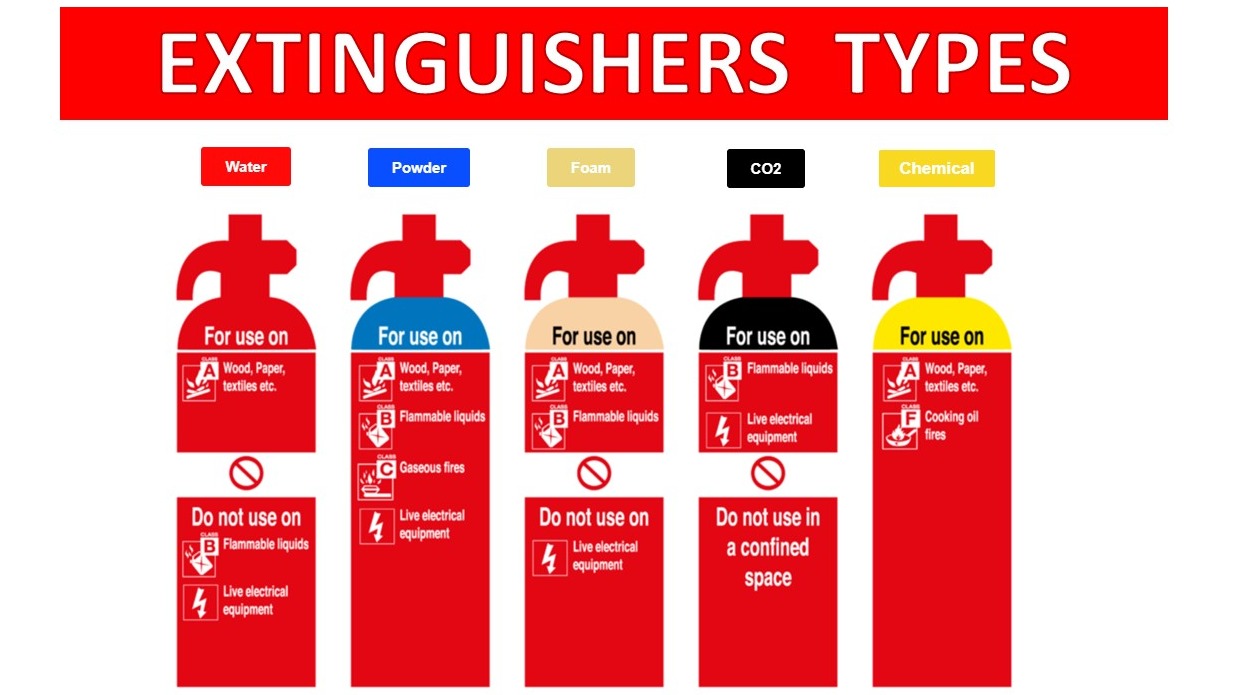
- Class A fires involve ordinary combustibles like wood, paper, or cloth. For these, a Water extinguisher cools the burning material perfectly.
- For Class B fires (flammable liquids/gases) and Class C fires (energized electrical equipment), a Carbon Dioxide (CO2) extinguisher is best. It suffocates fire by displacing oxygen, leaving no residue – ideal for electronics. A Dry Chemical (BC) extinguisher also works, interrupting the chemical reaction, though it leaves a powdery mess.
- The most common home hero is the ABC Dry Chemical extinguisher. This versatile champion tackles combustibles (A), flammable liquids (B), and electrical fires (C) all in one, making it popular for general household use.
- Class K fires are special for cooking oils and fats (like deep-fryer grease). For these high-temperature kitchen infernos, a Wet Chemical extinguisher creates a foam layer that cools and prevents re-ignition. Never use water on a grease fire – it will spread violently!
- Class D fires involve combustible metals, rare outside industrial settings, requiring specialized extinguishers.
So, what does this mean for your daily life? You'll typically find an ABC dry chemical extinguisher in homes, garages, and cars due to its broad applicability. Kitchens often benefit from a smaller ABC unit, but for serious home chefs, a Class K rated unit for deep fryers is a smart investment. The true benefit is having the right tool at the right time.
Must Read
To use an extinguisher effectively, remember P.A.S.S.:

- Pull the pin.
- Aim low, at the base of the fire.
- Squeeze the lever slowly and evenly.
- Sweep the nozzle from side to side.
Always know where your extinguishers are, ensure they're accessible, and check the pressure gauge. If a fire is growing, spreading rapidly, or you feel unsafe, don't be a hero—evacuate immediately and call emergency services. Extinguishers are for small, contained fires only.
Ultimately, a fire extinguisher isn't just a red cylinder; it's a symbol of preparedness, guardian of peace of mind, and a potential lifesaver. Understand the types, know where yours are, and refresh yourself on how to use them. It’s a small investment in knowledge with enormous returns in safety and security.