Types Of Decompounding In The Paper Industry

Ever tried unscrambling an egg? Yeah, good luck with that. Decompounding in the paper industry is kinda like that, except instead of an egg, it's a bunch of chemicals all cozy together in a process, and we're trying to politely (or not so politely) separate them.
Think of paper making as a giant, messy house party. You've got your guests (fibers), your drinks (chemicals), and that one guy who always spills everything (oops!). Decompounding is like cleaning up after that party. It's about taking the mess, identifying what's what, and sorting it all back out.
So, What Are the Types of Chemical Breakups?
We're not talking about the "it's not you, it's me" kind of breakup. We're talking science-y, industrial breakups. And trust me, there are a few flavours.
Must Read
1. The "I Need My Space" Approach: Physical Separation
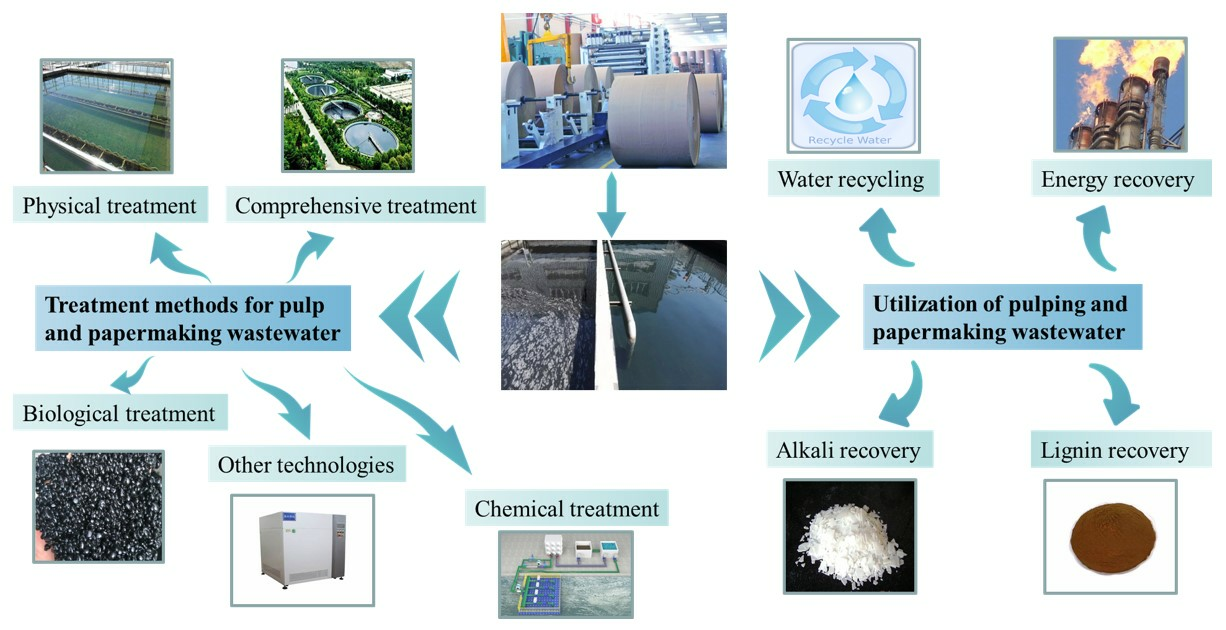
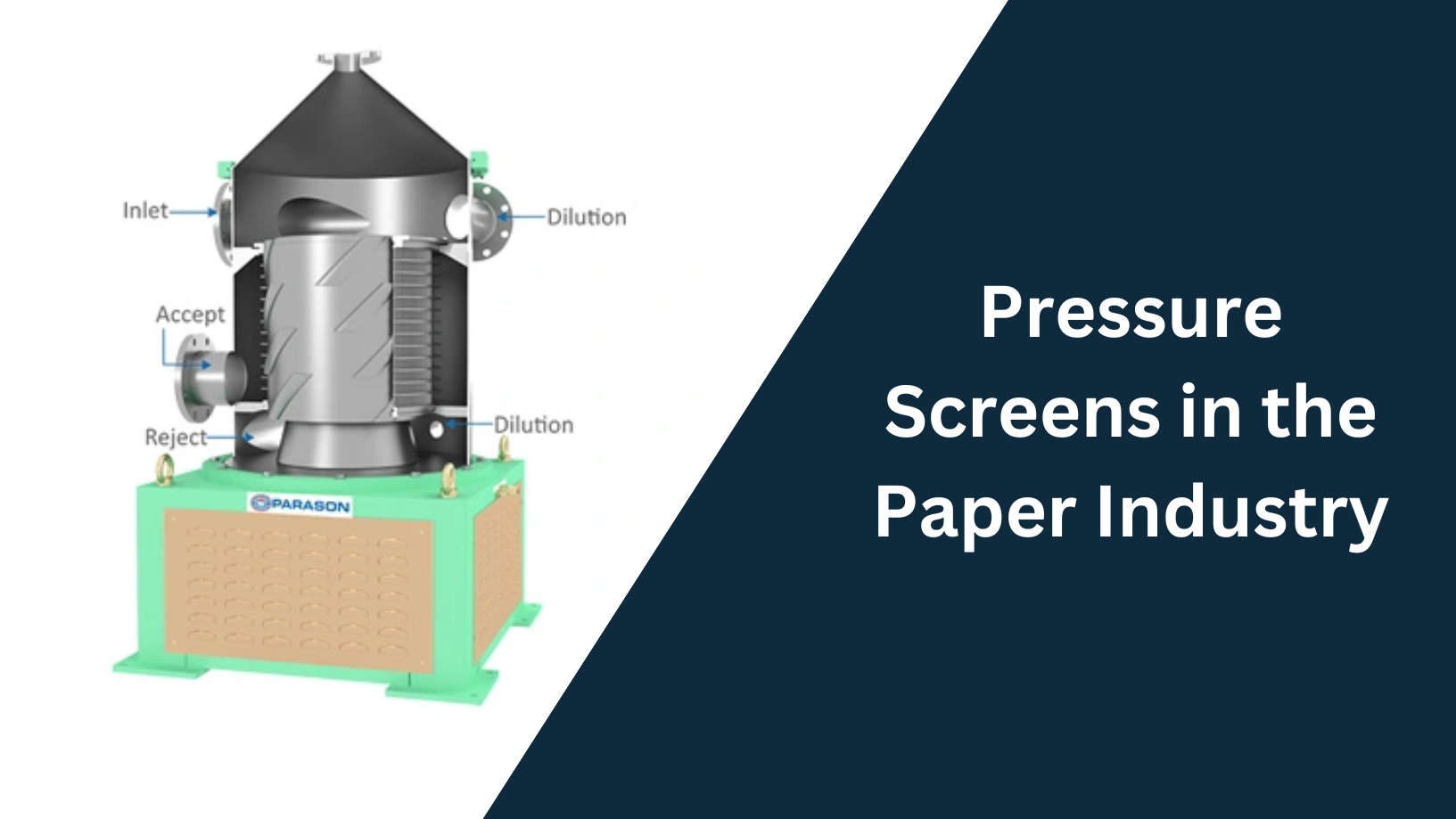
This is the most straightforward. Imagine sorting your laundry. Whites go with whites, colours with colours. Physical separation in paper making is similar. We use things like filtration, settling, and centrifugation to separate different components based on their size, density, or even magnetism! Think of it as the industrial version of sifting flour. You want only the fine stuff for your cake (or in this case, specific paper making chemicals!).
It's like when you're making a smoothie, and you decide you REALLY don't want those tiny bits of banana. You might strain it, right? That's physical separation in action!
2. The "Let's See if We Can React" Approach: Chemical Treatment
Sometimes, you need a little nudge. These separation methods involve causing chemical reactions to change the properties of the components you're trying to separate. For example, maybe you add acid or alkali to a solution to make a particular substance precipitate out (that's fancy talk for "fall out of solution").
Think of it as adding lemon juice to milk to make it curdle for cheese making. You're chemically altering the milk to separate the curds (solids) from the whey (liquid). The paper industry uses this kind of method to recover specific chemicals from waste streams.
3. The "Let's Burn It All Down (Responsibly)" Approach: Thermal Treatment
Okay, maybe not burn it all down. But incineration and pyrolysis use high temperatures to break down organic compounds into simpler substances. This is often used for things that are difficult to separate by other means or to recover energy from waste. It's like roasting vegetables – you're using heat to change their chemical structure and make them more palatable (or in this case, more manageable).

It's the "scorched earth" policy of decompounding, but a carefully controlled and environmentally responsible scorched earth, promise!
4. The "Microscopic Ninjas" Approach: Biological Treatment
This one is super cool. It involves using microorganisms (bacteria, fungi, etc.) to break down unwanted substances. These tiny critters are like miniature recycling plants, munching away on the "waste" and turning it into something less harmful or even useful.
Think of it like composting. You throw in food scraps and yard waste, and beneficial bacteria break it all down into nutrient-rich soil. In the paper industry, biological treatment is used to clean up wastewater and remove pollutants.
Why Bother with All This Mess?
Good question! Why not just throw everything away and start fresh? Well, for a few important reasons:
- Environmental Responsibility: Nobody wants a planet knee-deep in paper-making byproducts. Decompounding helps us reduce waste and minimize our environmental impact.
- Cost Savings: Recovering and reusing chemicals is way cheaper than buying new ones. It's like finding money in your old jeans – a pleasant surprise!
- Resource Conservation: We live on a planet with finite resources. Decompounding allows us to get the most out of what we already have.
So, next time you're sorting your recycling or trying to clean up after a particularly messy brunch, remember the unsung heroes of the paper industry, diligently decompounding and making the world a little cleaner, one chemical breakup at a time!