Type Of Fire Extinguisher For Grease

There's a special kind of magic that happens in the kitchen, isn't there? The sizzle of onions, the aroma of spices, the satisfaction of creating something delicious for yourself or loved ones. Cooking is often a joyful, creative, and sometimes even therapeutic activity. From elaborate holiday feasts to a simple weeknight stir-fry, our kitchens are truly the heart of many homes. But let's be honest, alongside all that culinary magic, there's also the potential for a little… unforeseen excitement. And by "excitement," we often mean the dreaded grease fire.
Nobody wants to think about a kitchen disaster, but being prepared isn't about being pessimistic; it's about being smart and safe. That's where knowing your fire extinguishers comes in. The primary benefit of having the right extinguisher isn't just about putting out a fire; it's about safeguarding your family, your home, and your peace of mind. A small, manageable blaze can quickly escalate into a catastrophic event if not addressed swiftly and correctly. Being equipped means you can potentially turn a scary incident into a mere anecdote, saving thousands in damages and, more importantly, preventing injuries.
You'll find fire extinguishers everywhere, from your local diner's kitchen to industrial complexes. In home kitchens, the most common scenario for a grease fire is during frying or deep-frying activities – think crispy bacon, homemade chips, or even a pan of sautéing vegetables when the oil gets too hot. Restaurants, naturally, face this risk on a much larger scale, which is why commercial kitchens have stricter regulations for fire suppression. Understanding the specific type of fire extinguisher for grease is crucial because not all extinguishers are created equal, especially when it comes to fats and oils.
Must Read
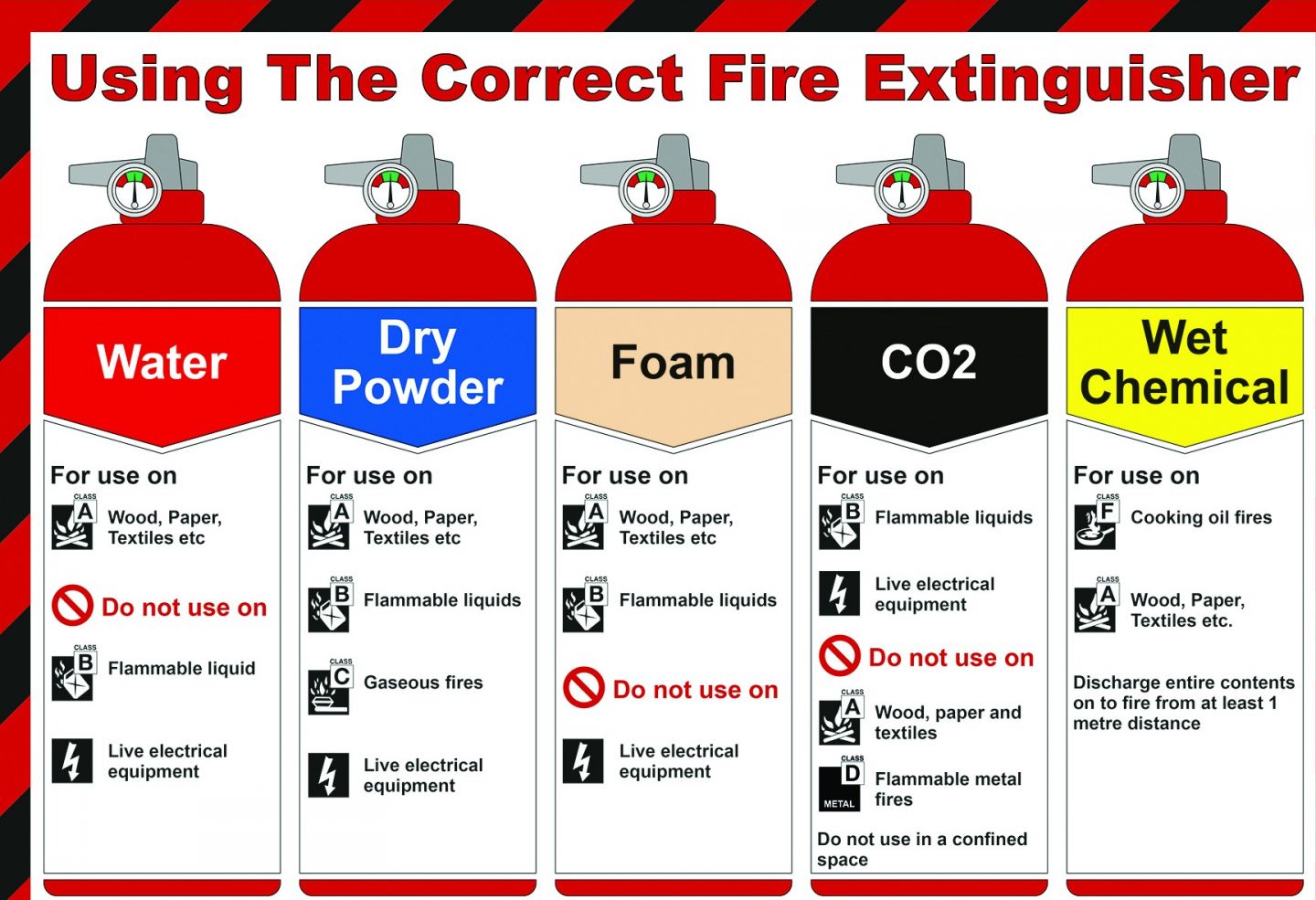
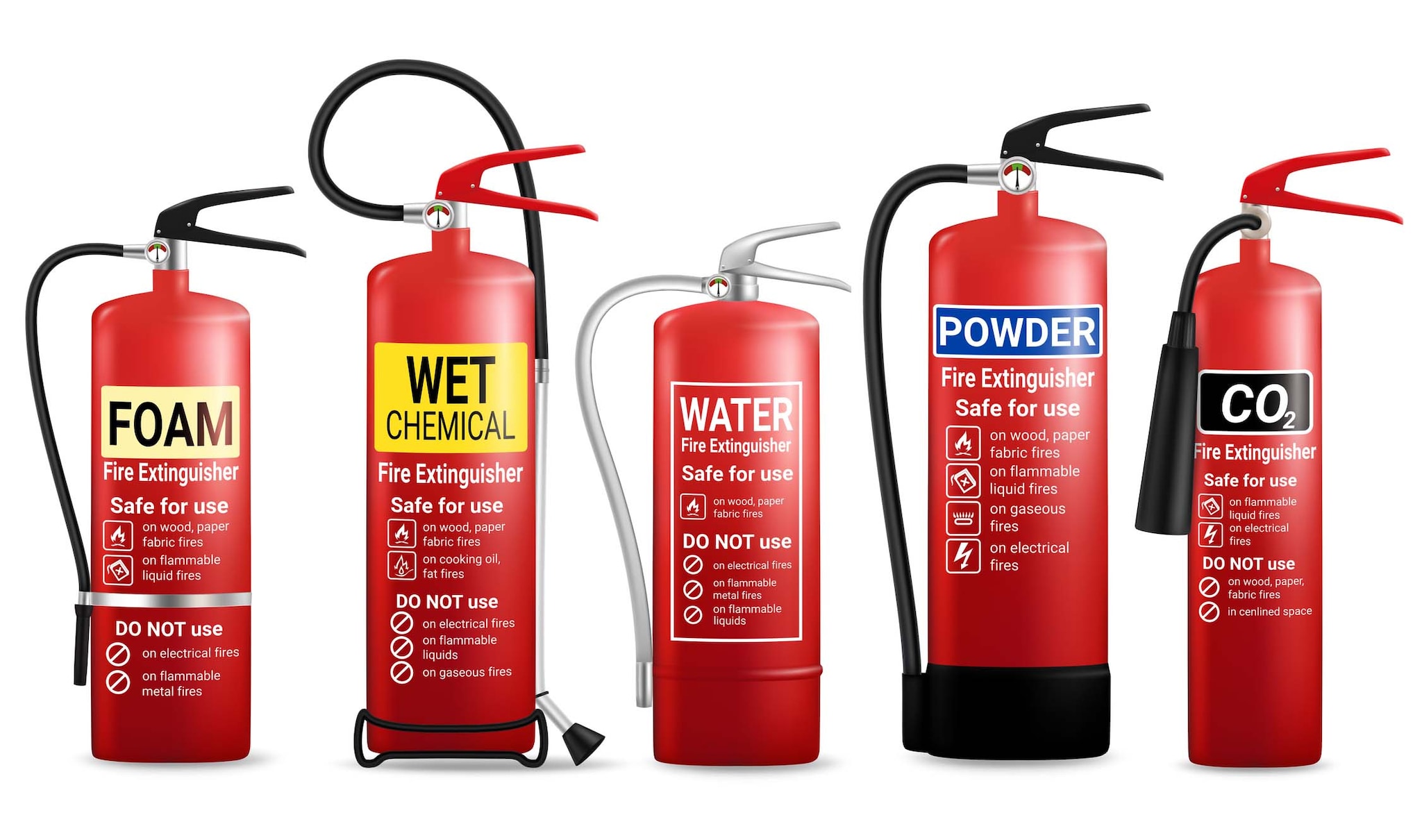
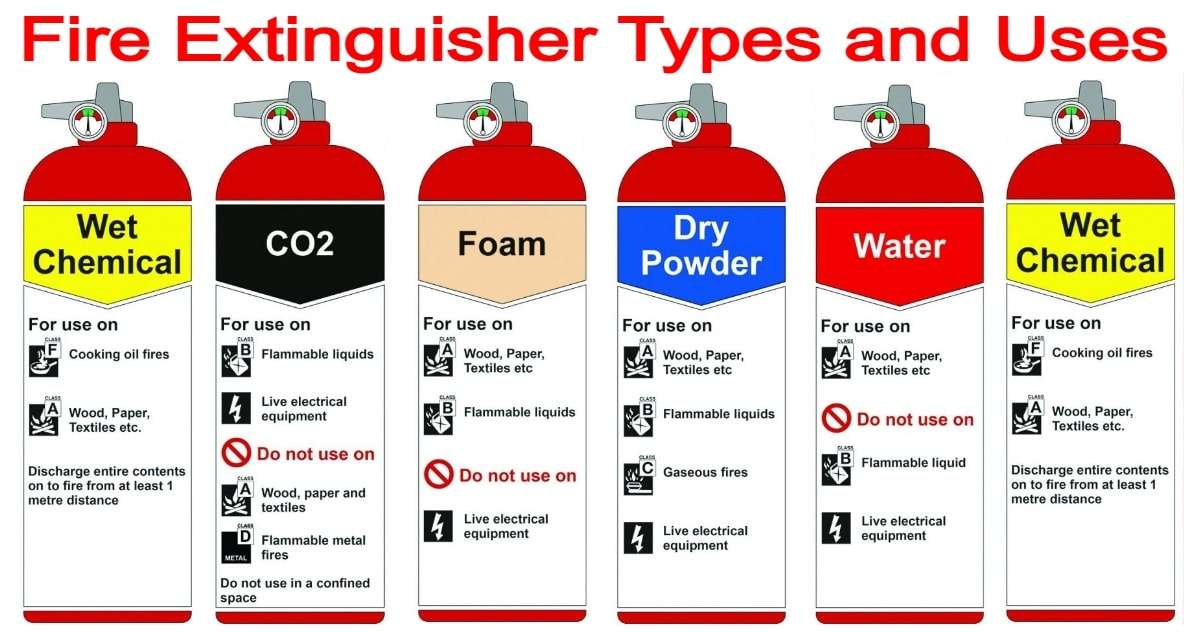
So, how do you "enjoy" this aspect of kitchen safety more effectively? By being prepared! First and foremost, for a grease fire, never, ever use water. Water and hot grease are a dangerous combination, creating an explosive flare-up that will spread the fire. The ideal extinguisher for commercial kitchens dealing with vegetable oils, animal fats, and deep-fryers is a Class K fire extinguisher. These contain a wet chemical agent that creates a soap-like foam to cool the oil and prevent re-ignition. For home kitchens, while a Class K is overkill, you might have a Class B or Class ABC extinguisher. Class B extinguishers are designed for flammable liquids and gases, and they work by smothering the fire, cutting off its oxygen supply. A Class ABC extinguisher offers broader coverage but operates similarly for grease fires.

Here are some practical tips to keep you safe:
- Prevent first: Never leave cooking unattended, especially when frying. Keep cooking surfaces clean of grease buildup.
- Smother if small: For very small grease fires, you can often slide a metal lid over the pan to cut off oxygen. Turn off the heat immediately.
- Know your P.A.S.S.: If using an extinguisher, remember P.A.S.S. – Pull the pin, Aim at the base of the fire, Squeeze the handle, and Sweep side to side.
- Placement is key: Keep your extinguisher in an easily accessible spot, but not directly next to the stove where it might be hard to reach during a fire.
- When in doubt, get out: If the fire is too large, spreading rapidly, or you feel unsafe, evacuate immediately and call emergency services.
By understanding the dangers of grease fires and having the right tools and knowledge, you can continue to enjoy the culinary adventures in your kitchen with confidence and peace of mind. Stay safe, chefs!