Two Beeps On Carbon Monoxide Detector
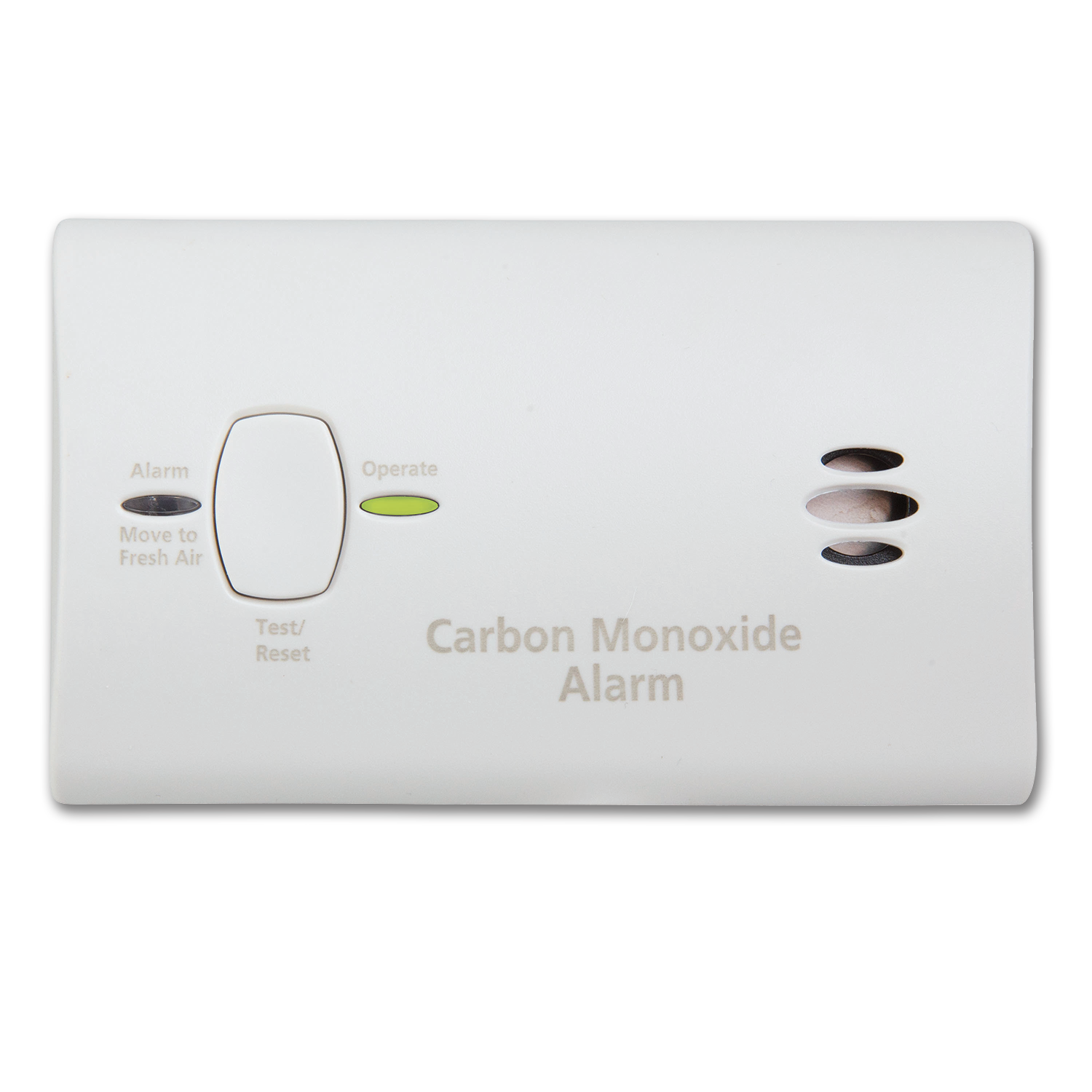
In our busy lives, we often find comfort in the little things that silently work in the background, keeping us safe and sound. Think of your home’s unsung heroes: the sturdy foundation, the reliable plumbing, or perhaps the quiet hum of your refrigerator. But among these guardians, there's one device that truly embodies the spirit of peace of mind, even when it demands your attention with a gentle chirp. We're talking, of course, about the humble carbon monoxide detector. Nobody "enjoys" a CO alarm, per se, but we absolutely cherish the security and the invaluable early warning it provides, allowing us to sleep soundly knowing a silent threat won't catch us unawares.
The benefit and purpose of a carbon monoxide detector are as vital as the air we breathe – quite literally. Carbon monoxide (CO) is an invisible, odorless, tasteless gas, often dubbed the "silent killer." It's a byproduct of incomplete combustion from everyday fuel-burning appliances. Without a detector, you'd never know it was there until symptoms like headaches, dizziness, or nausea set in, which can quickly escalate to unconsciousness and even death. This indispensable device serves as our unseen sentinel, constantly monitoring the air and standing ready to alert us before CO reaches dangerous levels, giving us the precious gift of time to react and get to safety.
Common examples of CO sources are ubiquitous in modern homes: your furnace, gas stove, water heater, fireplace, and even a car idling in an attached garage. Portable generators, often used during power outages, are another significant source. Therefore, carbon monoxide detectors are typically applied strategically around the home. Experts recommend placing them on every level of your home, especially near sleeping areas and close to fuel-burning appliances. They’re the essential early warning system that protects your family from a threat you can't see, smell, or taste. It's an invisible superhero working 24/7.
Must Read
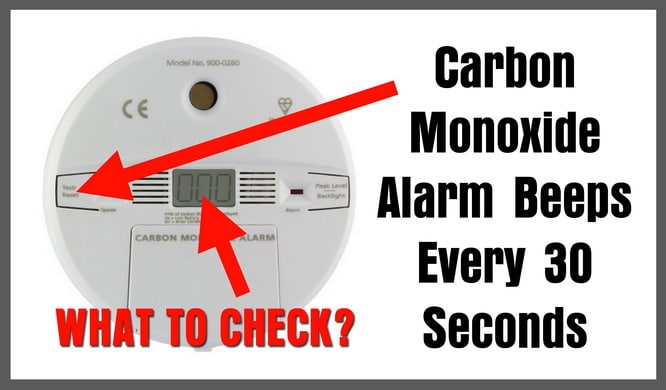
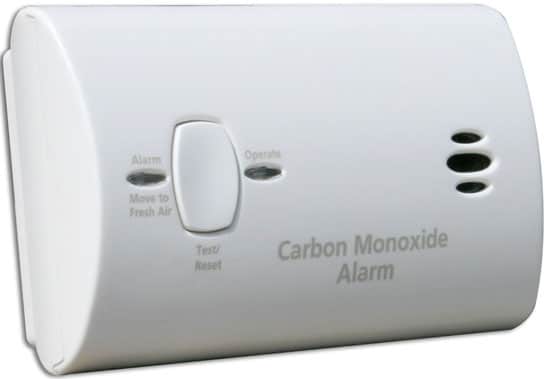
Now, let's get to those mysterious signals, specifically the two beeps on your carbon monoxide detector. While a continuous, rapid four-beep alarm indicates the presence of CO and requires immediate evacuation, those two short, distinct beeps usually mean something else entirely. In most models, two beeps signify either a low battery warning or an end-of-life signal for the unit itself. Think of it as your detector saying, "Hey, I'm still on the job, but I need a little TLC!"
To "enjoy" your detector more effectively – that is, to ensure it’s always ready to protect you – here are some practical tips. Firstly, if you hear two beeps, check the battery immediately. For models with replaceable batteries, swap them out. If it's a sealed-battery unit, or if replacing the batteries doesn't stop the two-beep warning, it likely means your unit has reached its expiration date. Most CO detectors have a lifespan of 5-7 years. An old unit might not detect CO reliably, so it’s crucial to replace the entire device when it gives this "end-of-life" signal. Always refer to your specific model's manual for exact beep codes. Regularly test your detector using its "test" button and ensure it’s kept clean and free from dust. By understanding these signals and taking prompt action, you’re not just maintaining a device; you’re maintaining the invaluable safety net that guards your home and loved ones.