There Are Three Classes Of Fire Extinguishers.

Ever feel a little bit like a superhero when you know how to handle a common household challenge? Learning about fire extinguishers might not involve capes and superpowers, but it definitely gives you a fantastic sense of preparedness and confidence. It’s not just about scary emergencies; it’s about understanding the simple tools that keep our homes and loved ones safe. Plus, let's be honest, there's a certain satisfaction in knowing you’re equipped for almost anything life throws your way!
This isn't just dry, technical stuff; it’s genuinely useful knowledge for everyone. For beginners, understanding the basics means you won't be intimidated by that red cylinder in the kitchen and can confidently pick one for your first apartment or dorm. For families, it's absolutely crucial. Knowing which extinguisher to grab for a grease fire versus an electrical short can make all the difference in protecting your home and, more importantly, your loved ones. And for the hobbyists among us, whether you're a DIY enthusiast sparking up a welding project, a car buff tinkering with engines, or a keen crafter with a hot glue gun, specific hobbies come with specific risks. Knowing the three classes of fire extinguishers means you can match the right tool to your passion, ensuring your workspace is as safe as it is fun.
So, let's demystify these guardians of safety. There are three main classes, and each is designed for a different type of fire, because, surprisingly, not all fires are created equal!
Must Read
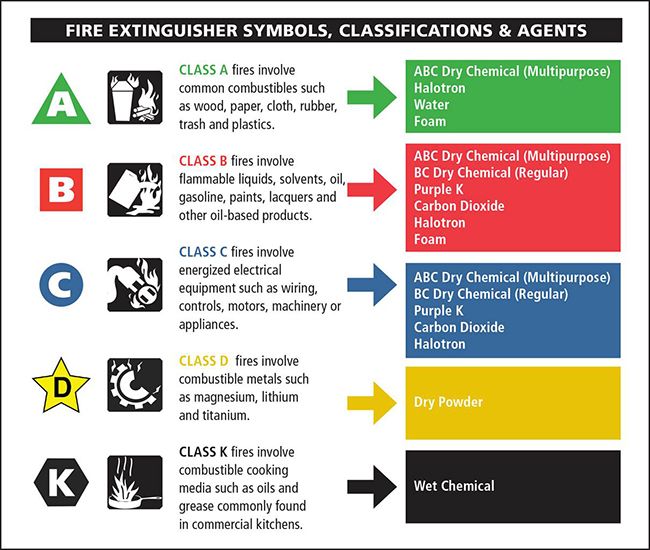
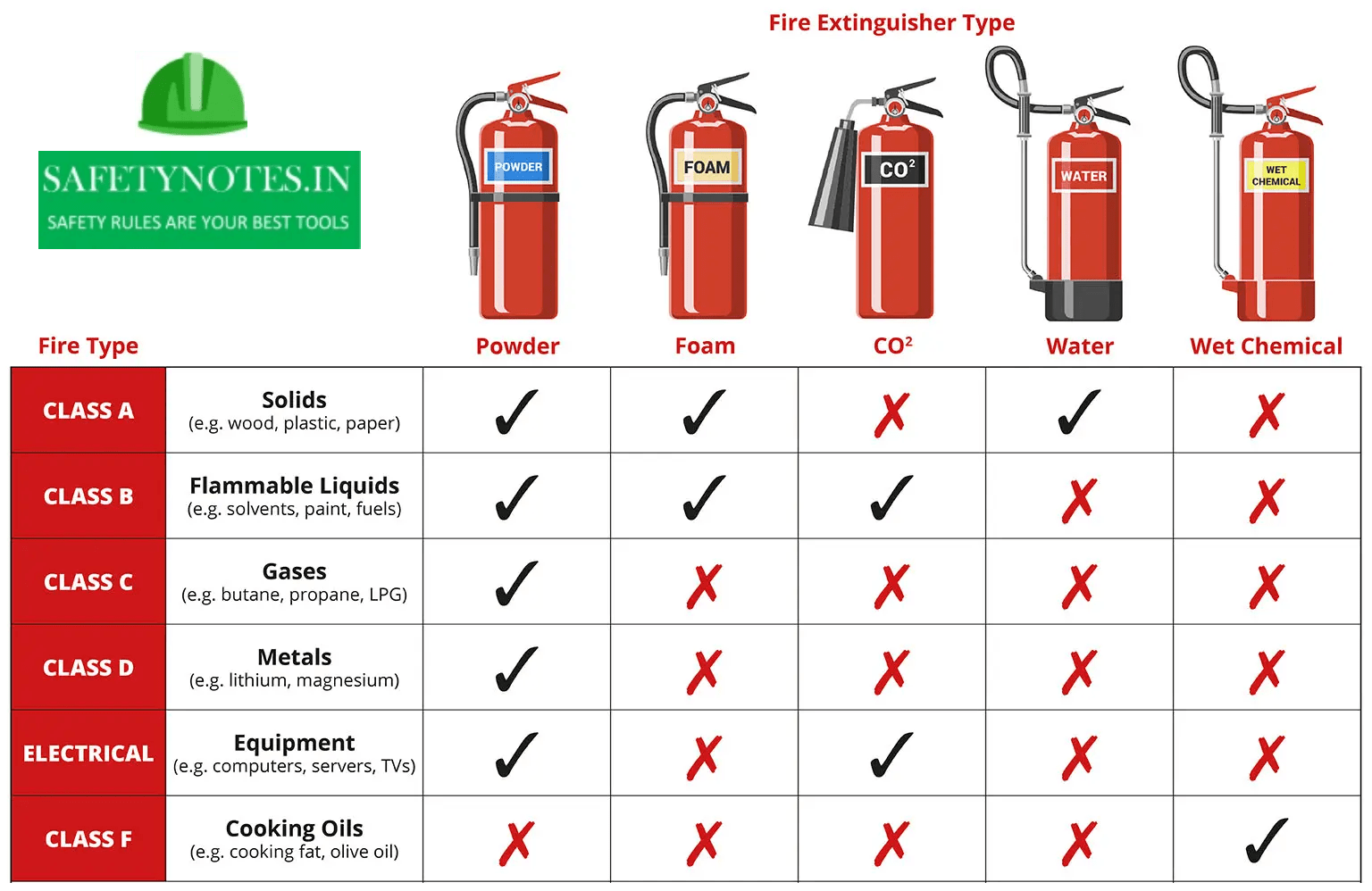
- Class A fires involve ordinary combustible materials like wood, paper, cloth, and plastic. Think of a overflowing trash can or a sofa catching fire. For these, water or foam extinguishers are usually effective.
- Class B fires are fueled by flammable liquids and gases, such as grease, oil, gasoline, or paint. These are common in kitchens (hello, cooking oil!) or garages. You'll need foam, CO2, or a dry chemical extinguisher for these.
- Class C fires are all about electrical equipment. These happen when appliances, wiring, or outlets short-circuit. It's critical not to use water on these, as electricity and water don't mix! CO2 or dry chemical extinguishers are your go-to here because they won't conduct electricity.
Getting started with this knowledge is super easy. First, consider getting an ABC extinguisher for your home. It’s a multi-purpose hero that handles Class A, B, and C fires – perfect for general household use. Second, remember the PASS method for using an extinguisher: Pull the pin, Aim low at the base of the fire, Squeeze the handle, and Sweep from side to side. Third, and most importantly, know when to bail! Fire extinguishers are for small, contained fires only. If the fire is spreading rapidly, too big, or you're unsure, get everyone out and call 911 immediately. Your safety is always paramount.
See? Knowing about the three classes of fire extinguishers isn't just a chore; it's an empowering piece of knowledge that adds a layer of confidence and peace of mind to your everyday life. It's an investment in safety that truly pays off, letting you enjoy your home and hobbies with one less thing to worry about. So, go ahead, feel a little bit like a fire safety guru – you've earned it!