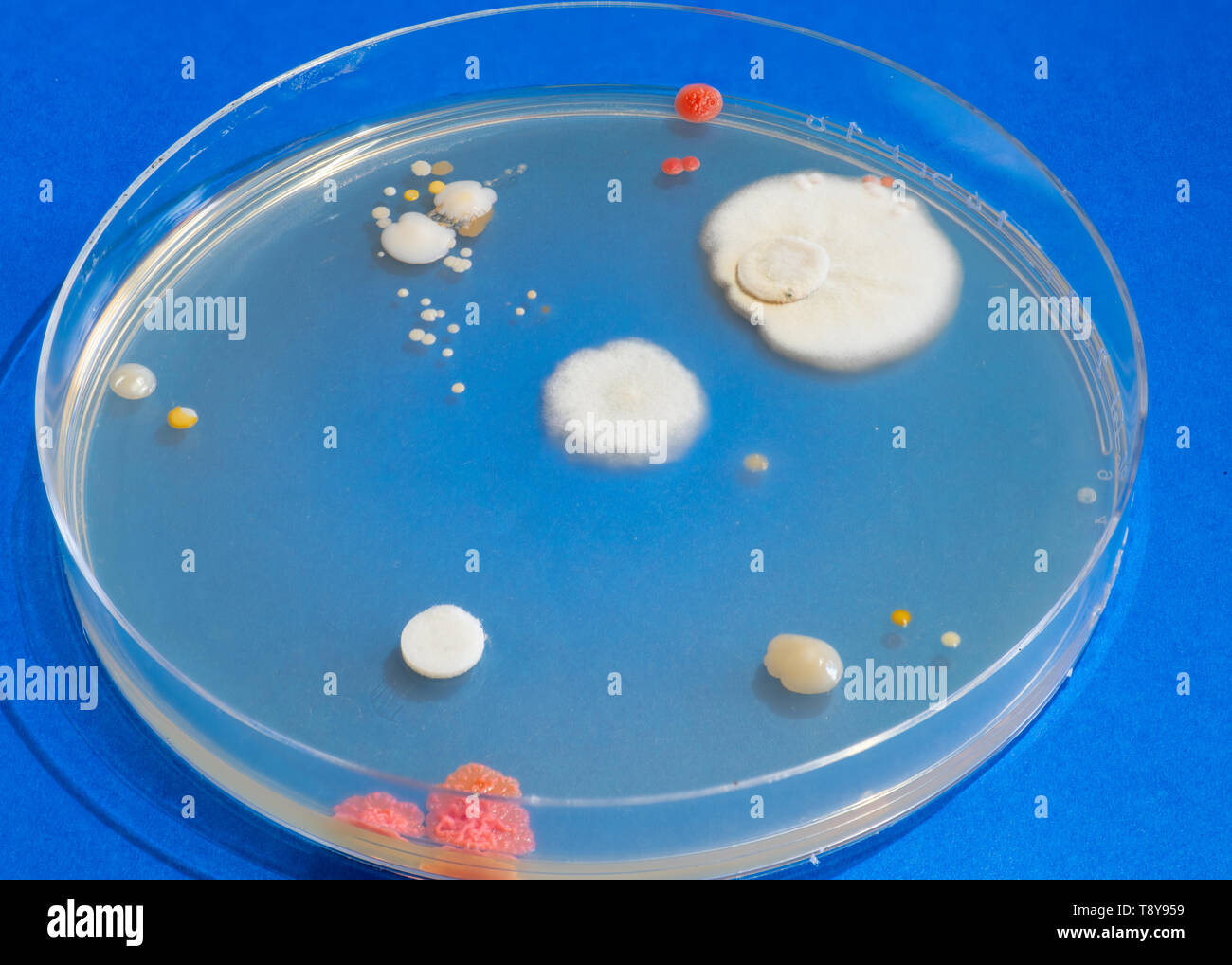
There Are 2 100 Bacteria In A Circular Petri Dish
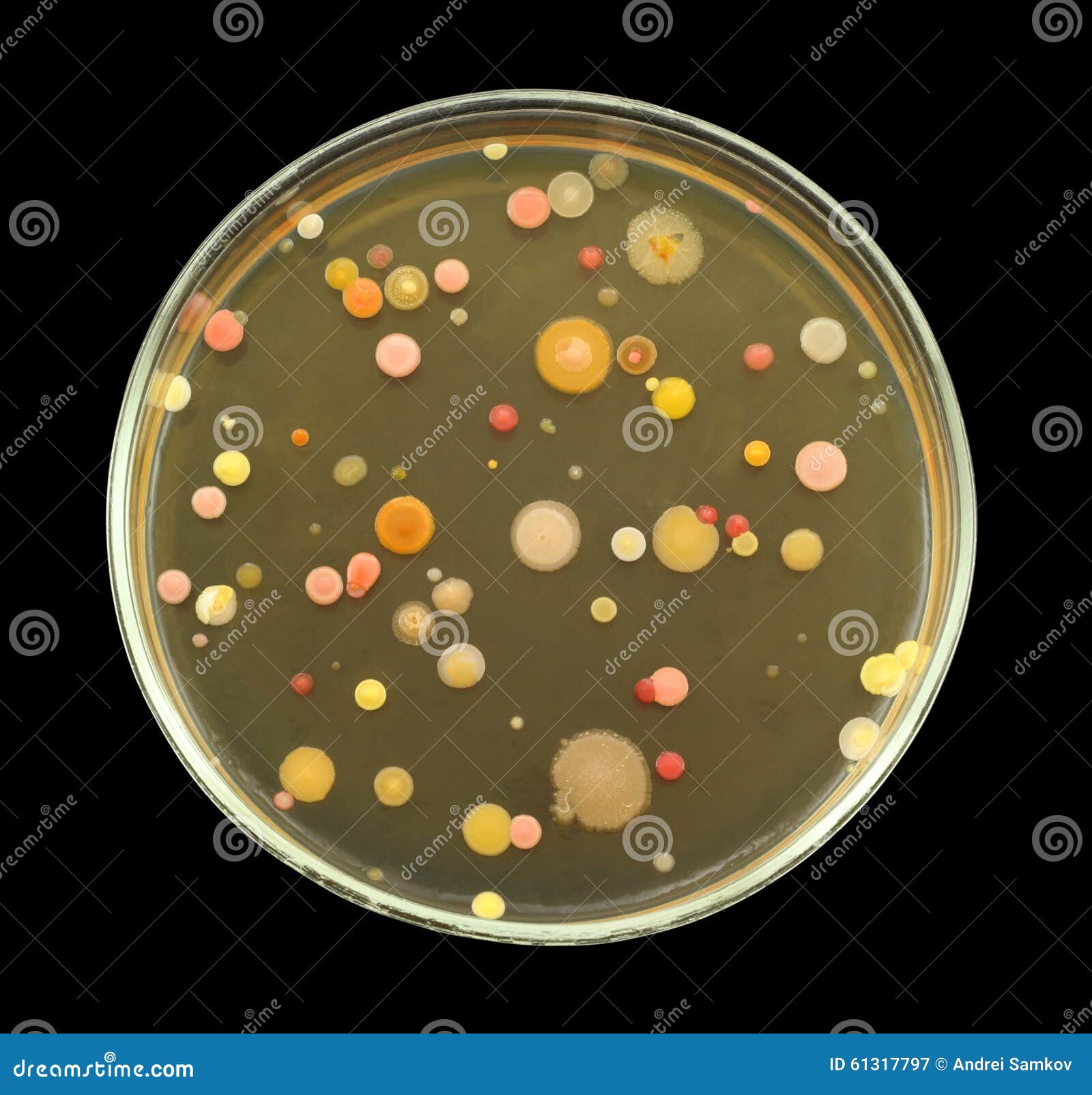
Ever wonder about the invisible world teeming all around us? It’s a universe buzzing with life, and a lot of it is incredibly tiny – we're talking about bacteria! Now, imagine a simple circular petri dish, the kind you might have seen in a science class. What if I told you that this little dish could hold a staggering 2100 bacteria? That's a two followed by one hundred zeros! It sounds mind-boggling, and it is, but understanding this idea opens up a fascinating window into the power of exponential growth and the sheer scale of the microbial world.
Why is this number so important, or even fun to think about? Well, 2100 is a fantastic example of exponential growth. This concept is crucial in understanding many things, from how populations grow (both of bacteria and people!) to how viruses spread. It helps us grasp how seemingly small initial changes can lead to massive results over time. Understanding the potential for bacterial growth is vital in fields like medicine and food safety, where controlling bacterial populations is paramount.
The number 2100 itself represents a theoretical maximum number of bacterial cells that could, hypothetically, fit on a petri dish. Think of it this way: bacteria reproduce by splitting. One bacterium becomes two, two become four, and so on. This is exponential growth! While it's virtually impossible to achieve this number in a real-world scenario because bacteria need space and resources, it's a powerful illustration. It highlights the immense reproductive potential of bacteria and emphasizes the need for hygiene and sterilization in certain environments.
Must Read
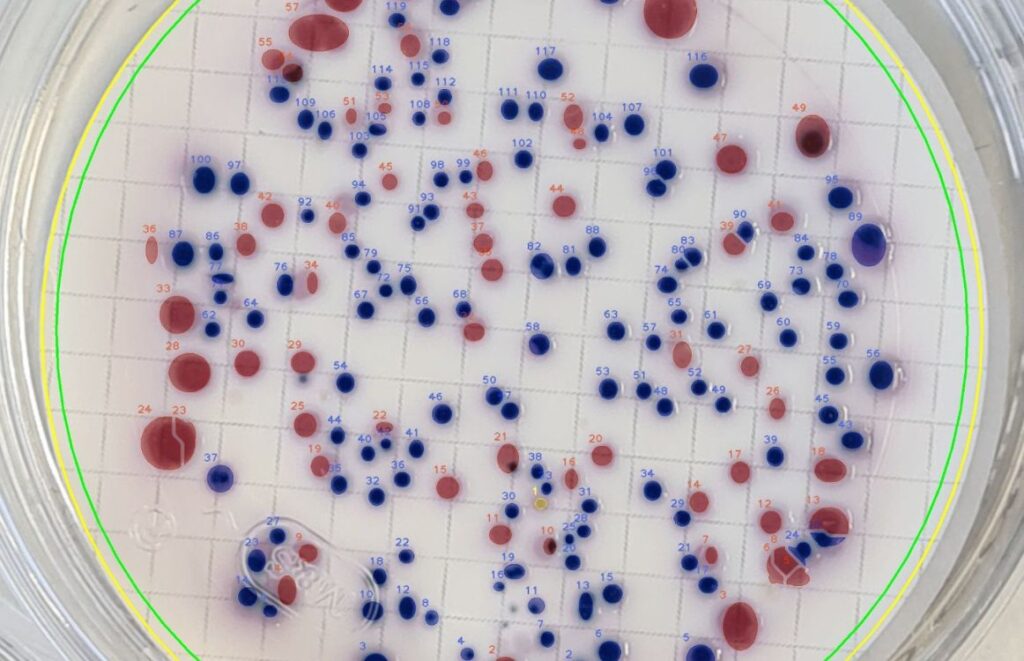
So, how can we use this in education or daily life? In schools, visualizing 2100 (or smaller but still large exponential values) can be a great way to teach about scale and mathematical concepts. Using visual aids like grids or diagrams to demonstrate the doubling effect can make it easier to understand. In everyday life, understanding exponential growth reinforces the importance of things like washing your hands. Even a few remaining bacteria can quickly multiply and lead to illness if given the right conditions.
Want to explore this concept further? Try this simple thought experiment: Start with a single grain of rice. Double the number of grains each day. How long would it take for the amount of rice to fill your room, your house, or even the world? You'll quickly realize how powerful doubling can be. Another activity could involve using a spreadsheet to calculate exponential growth from a small starting number. Even exploring different online calculators can give you a better feel for the sheer magnitude of numbers like 2100.
Ultimately, while the exact number of bacteria in a petri dish is less important than the concept it represents, thinking about numbers like 2100 can broaden your understanding of the world. It's a reminder that the invisible world is incredibly dynamic and that seemingly small things can have a huge impact. So, next time you wash your hands, remember the power of exponential growth and the microscopic world we're constantly interacting with!