
The Study Of Architecture

Ever walked through a city and felt...something? Awe? Inspiration? Even a little unease? Chances are, that feeling has a lot to do with the buildings around you. And understanding why requires a peek into the fascinating world of architecture.
But studying architecture isn't just about drawing blueprints and memorizing building codes (though, yes, there's some of that). It's about understanding how we live, how we interact with our environment, and how design can shape our experiences.
More Than Just Bricks and Mortar
So, what exactly is the study of architecture? At its core, it's the art and science of designing and constructing buildings. But it's so much more than that. It's a multi-faceted discipline that blends:
Must Read
- History: Understanding architectural styles from the Roman Empire to the Bauhaus movement. Think grand columns and minimalist lines, and everything in between.
- Engineering: Ensuring that buildings are structurally sound and safe. It’s all about physics, baby!
- Art & Design: Creating visually appealing and functional spaces. It’s about the flow of light, the use of materials, and the overall aesthetic.
- Social Sciences: Considering how people will use and interact with a building. Will it foster community? Is it accessible to everyone?
Basically, architects are part artist, part engineer, part historian, and part sociologist. It’s a demanding field, but incredibly rewarding for those who are passionate about shaping the built environment.
Is Architecture School Right For You?
Thinking about taking the plunge? Here are a few things to consider:

Do you have a creative spark? An eye for detail? A love of problem-solving? These are all good signs! Architecture school is rigorous, requiring long hours and dedication. But if you thrive on challenges and enjoy pushing creative boundaries, it might just be your perfect fit.
Be prepared to sketch. A lot. Even with all the fancy CAD software available, hand-drawing is still a fundamental skill. Embrace the sketchbook!
Critique is your friend. Architecture school is built on constructive criticism. Learn to accept it, learn from it, and use it to improve your designs.
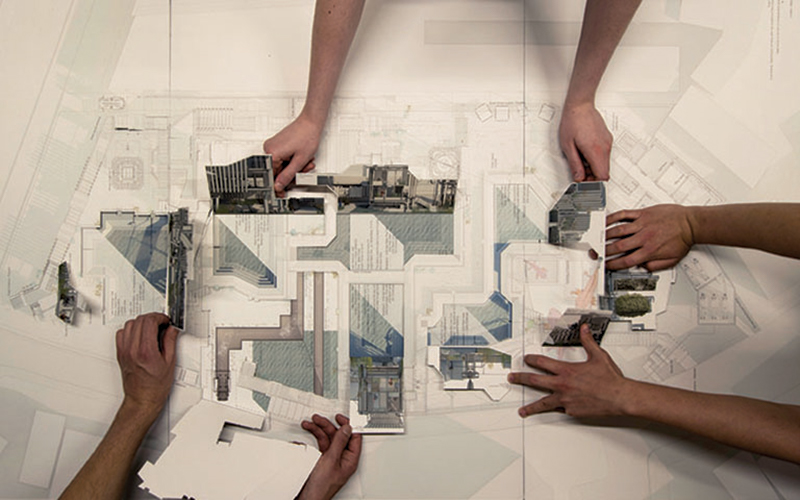
Expect long nights. Let's be honest, architecture school isn't a walk in the park. There will be late nights spent perfecting your models and presentations. Coffee will become your best friend (or maybe your worst enemy!).
But it's not all work and no play! Architecture students are a creative and passionate bunch. You'll find yourself surrounded by like-minded individuals who share your love of design and innovation.
Architecture Beyond the Classroom
The great thing about studying architecture is that it opens up a wide range of career paths. You could become a licensed architect, designing everything from residential homes to skyscrapers. Or, you could explore related fields such as:
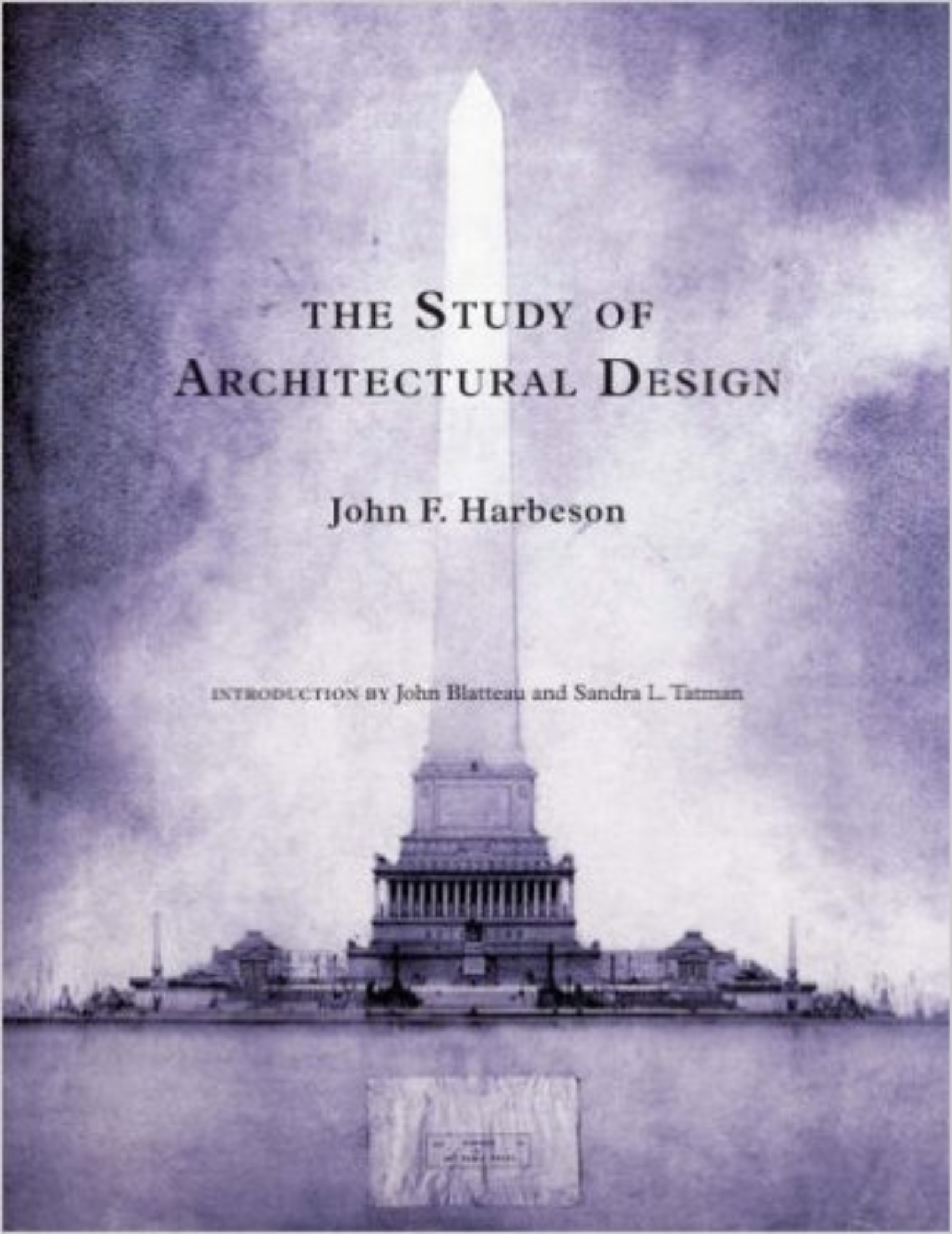
- Urban Planning: Shaping the future of our cities.
- Interior Design: Creating beautiful and functional interior spaces.
- Landscape Architecture: Designing outdoor spaces that complement buildings and enhance the environment.
- Architectural History & Preservation: Protecting and preserving our architectural heritage. Think Indiana Jones, but with blueprints!
Fun Fact: Did you know that Frank Lloyd Wright, one of America's most famous architects, didn't actually have a formal architecture degree? He learned by apprenticeship and through his own relentless study.
Tips for Aspiring Architects
Want to get a head start?
- Visit Buildings: Take the time to truly experience architecture. Notice the details, the materials, the way the light falls. Think of it like binge-watching buildings.
- Read Architectural Magazines: Stay up-to-date on the latest trends and innovations. Magazines like Architectural Digest or Dwell are great resources.
- Learn to Sketch: Practice your hand-drawing skills. Even simple sketches can help you communicate your ideas.
- Build Things: Get hands-on experience with construction and design. Build a model, design a garden, even just rearrange your furniture.
Cultural Reference: The movie The Fountainhead, based on Ayn Rand's novel, is a (somewhat dramatic) portrayal of an architect's unwavering vision. While the film is… intense… it can spark interesting conversations about creativity and the role of the architect.

Architecture in Everyday Life
The study of architecture isn't just about designing buildings; it's about understanding the world around us. Once you start to see the built environment through an architect's eyes, you'll never look at a city the same way again.
You’ll start noticing the subtle nuances of design, the way buildings interact with their surroundings, and the impact they have on the people who use them. You might even find yourself questioning the design of your own home or office!
So, the next time you're walking down the street, take a moment to appreciate the buildings around you. Think about the people who designed them, the materials they used, and the stories they tell. Because ultimately, architecture is about creating spaces that enhance our lives and connect us to the world.