
The Scarecrow Wizard Of Oz

Okay, let's be real. When you think "Wizard of Oz," you probably picture Dorothy's ruby slippers, maybe the Wicked Witch's cackle. But let's give some love to the Scarecrow, shall we? He's not just a straw-stuffed friend; he's a style icon, a symbol of untapped potential, and, dare we say, a bit of a philosophical genius. He teaches us, in his charmingly awkward way, about belief.
Think about it. He starts out convinced he has no brains. Zero. Zilch. Nada. He believes he's just a talking, walking pile of hay. It's a classic case of imposter syndrome, folks. We've all been there.
The Style of a Scarecrow: More Than Just Straw
Let's break down the Scarecrow's look. It's rustic chic meets farmhand functionality. Think distressed denim (because, well, he's been distressed), a burlap sack top for that effortlessly cool vibe, and a floppy hat that screams "I'm ready for anything... as long as it doesn't involve crows."
Must Read
Pro Tip: Channel your inner Scarecrow with earth-toned clothing, accessorize with natural materials like wood or leather, and don't be afraid to embrace a little bit of imperfection. A slightly wrinkled shirt or a pair of worn-out boots adds character!
Brains, Belief, and Beyond
The journey to Oz is all about self-discovery, and the Scarecrow's arc is particularly poignant. He joins Dorothy not because he's confident, but because he wants to be. He's driven by the belief that he can be more than he currently is. This is a powerful message. How many times have we held ourselves back because we didn't think we were smart enough, talented enough, or brave enough?
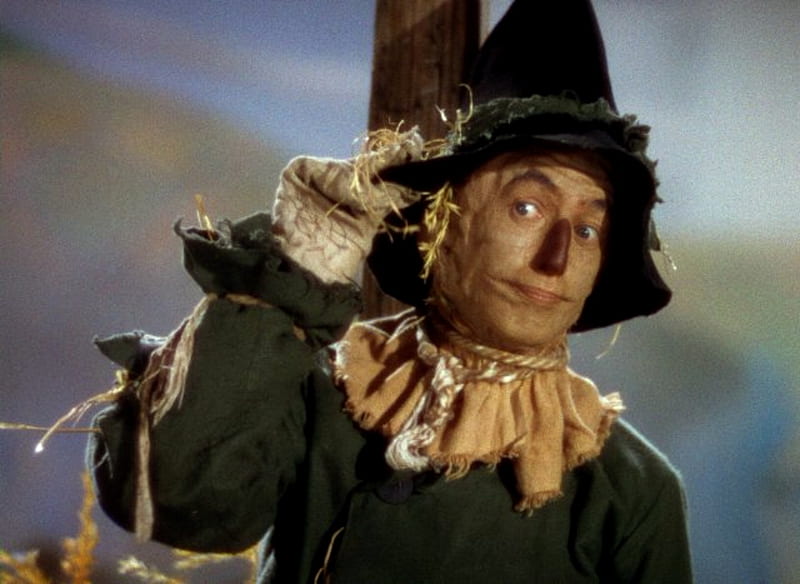
The Wizard, of course, reveals that the Scarecrow had brains all along. He just needed the confidence to use them. He gives him a diploma to confirm what he already knows: belief in yourself unlocks potential.
Pop Culture Scarecrows: A Legacy of Straw
The Scarecrow's influence extends far beyond the yellow brick road. Think about Batman's nemesis, Scarecrow. While a decidedly darker character, he plays on the same theme of perceived weakness and the power of suggestion. He preys on fears, highlighting how easily we can be manipulated by our own insecurities.
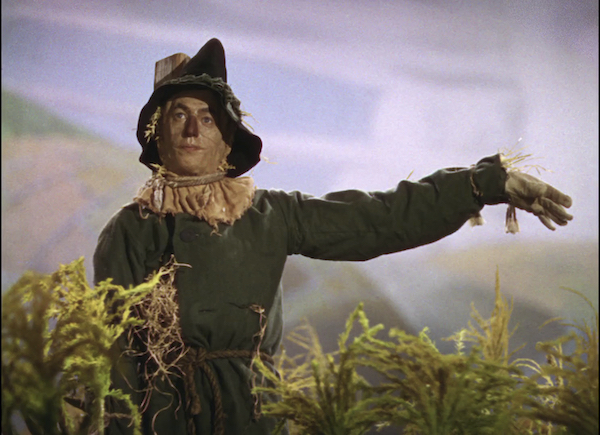
Or consider the Scarecrow in children's literature. He's often portrayed as kind, gentle, and resourceful. These portrayals, whether villainous or benevolent, are rooted in the Scarecrow's origin as a symbol of someone lacking in confidence but possessing hidden strengths.
Practical Applications: Unleashing Your Inner Scarecrow
So, how do you apply the Scarecrow's lessons to your daily life?

- Challenge Your Limiting Beliefs: What do you tell yourself you can't do? Write them down, then challenge each one. Why can't you do it? What's stopping you?
- Embrace Imperfection: Nobody's perfect. Stop striving for unrealistic ideals and accept that flaws are what make you unique.
- Seek Out Opportunities to Learn: The Scarecrow was eager to learn from Dorothy, the Tin Man, and the Cowardly Lion. Be open to new experiences and perspectives.
- Celebrate Small Victories: Acknowledge your progress, no matter how small. Every step forward is a step in the right direction.
Fun Fact: Did you know that Ray Bolger, who played the Scarecrow in the 1939 film, was originally cast as the Tin Man? It was Buddy Ebsen who was originally meant to play the Tin Man, but he had an allergic reaction to the makeup! This switcheroo led to one of the most iconic performances in cinematic history!
A Final Thought: The Power of Belief
The Scarecrow's story reminds us that belief in ourselves is a powerful force. It's not about suddenly becoming a genius overnight; it's about recognizing your own potential and having the courage to pursue your dreams, even when you're feeling a little straw-brained. So, go out there, embrace your inner Scarecrow, and remember that you already have everything you need to succeed. Sometimes, all it takes is the belief that you do.
