The Proliferation Of Computers In Medicine Has
We've all been there, right? Sitting in a doctor's office, maybe a little nervous, maybe a little bored, but definitely relying on the fact that the people caring for us know what they're doing. And increasingly, "knowing what they're doing" involves a whole lot of whirring, blinking, and calculating happening behind the scenes – thanks to computers!
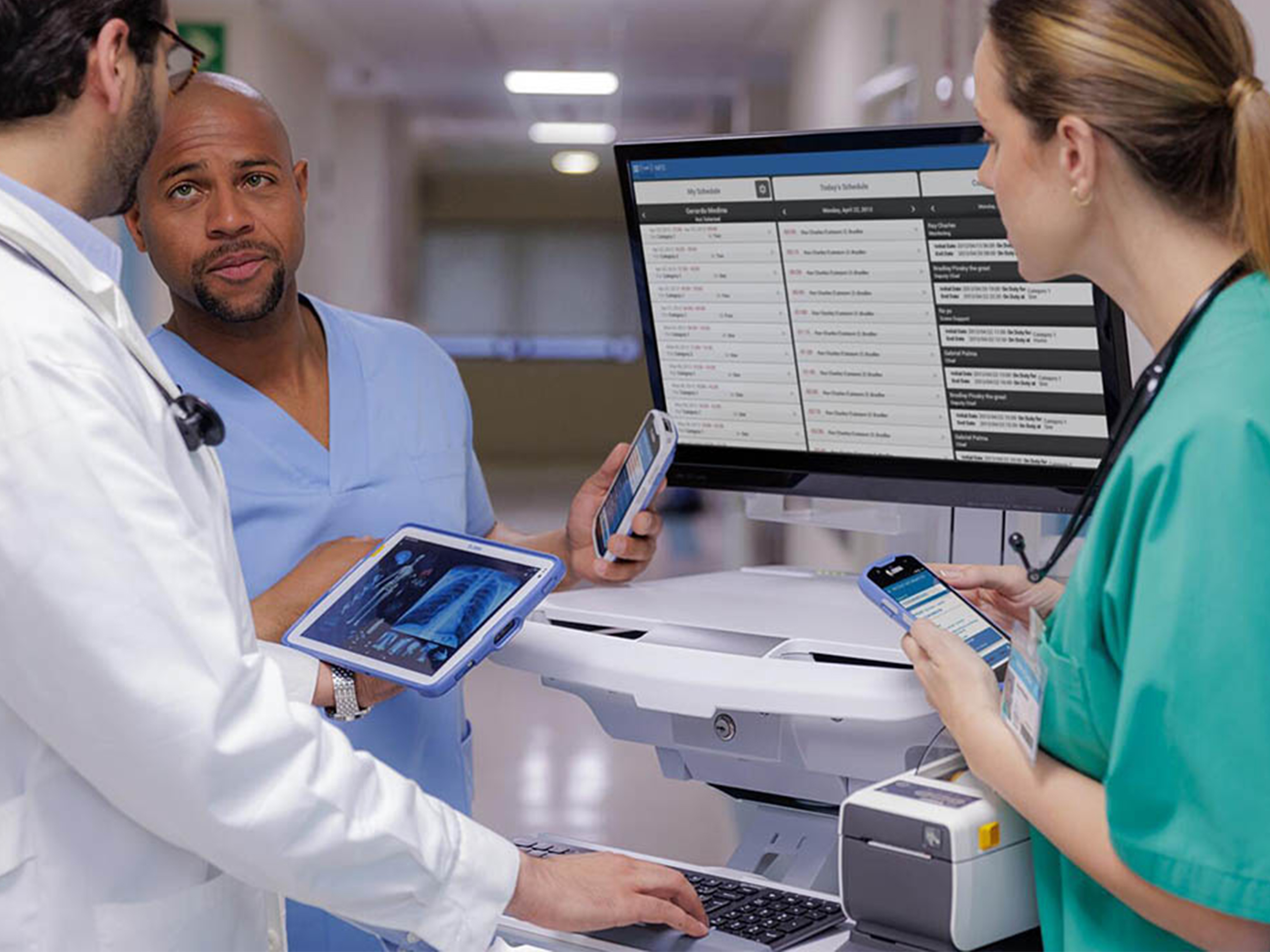
The proliferation of computers in medicine is nothing short of revolutionary. Think about it: healthcare used to rely heavily on handwritten notes (often indecipherable!), paper files lost in labyrinthine storage rooms, and a doctor's memory. Now, technology is interwoven into almost every aspect of care, making things faster, more accurate, and, ultimately, safer for patients. The purpose is simple: to improve health outcomes and make the entire medical process more efficient.
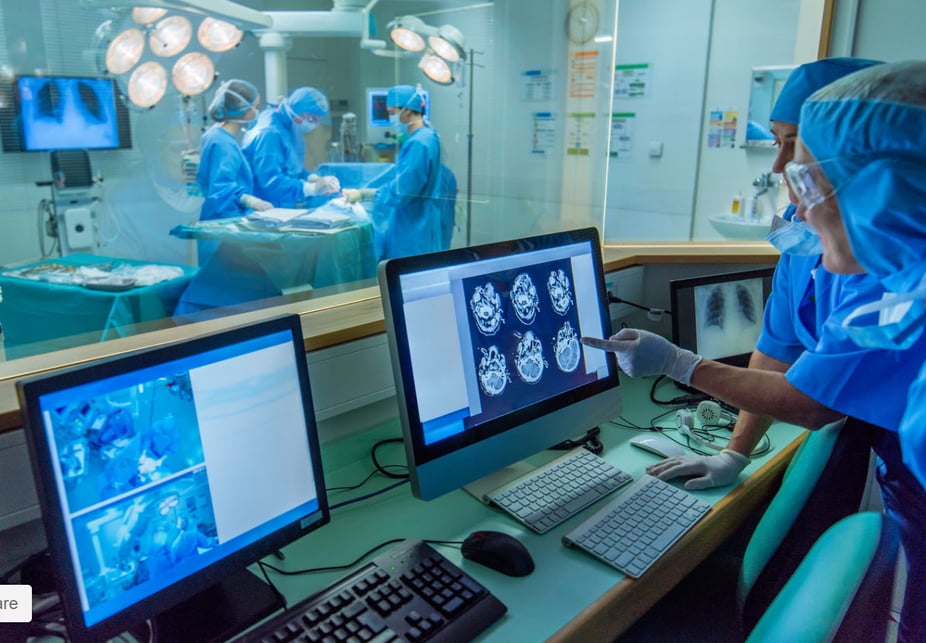
But how does this tech takeover actually play out in everyday life? Well, it's far more pervasive than you might think. Consider diagnostic imaging. From MRI scans revealing intricate details of your organs to CT scans providing 3D images, computers are vital in capturing and interpreting these crucial visuals. They help doctors detect everything from tiny fractures to the earliest signs of cancer. Then there’s electronic health records (EHRs). No more fumbling through stacks of paper! EHRs allow doctors to quickly access your medical history, allergies, and current medications, preventing potentially dangerous drug interactions and ensuring continuity of care.
Must Read
Beyond diagnosis and record-keeping, computers are powering cutting-edge treatments. Robotic surgery, for example, allows surgeons to perform complex procedures with greater precision and minimal invasiveness. And artificial intelligence (AI) is being used to analyze vast amounts of data, helping researchers develop new drugs and personalize treatment plans. Even seemingly simple things like automated medication dispensing systems in hospitals reduce errors and ensure patients receive the right doses at the right time.
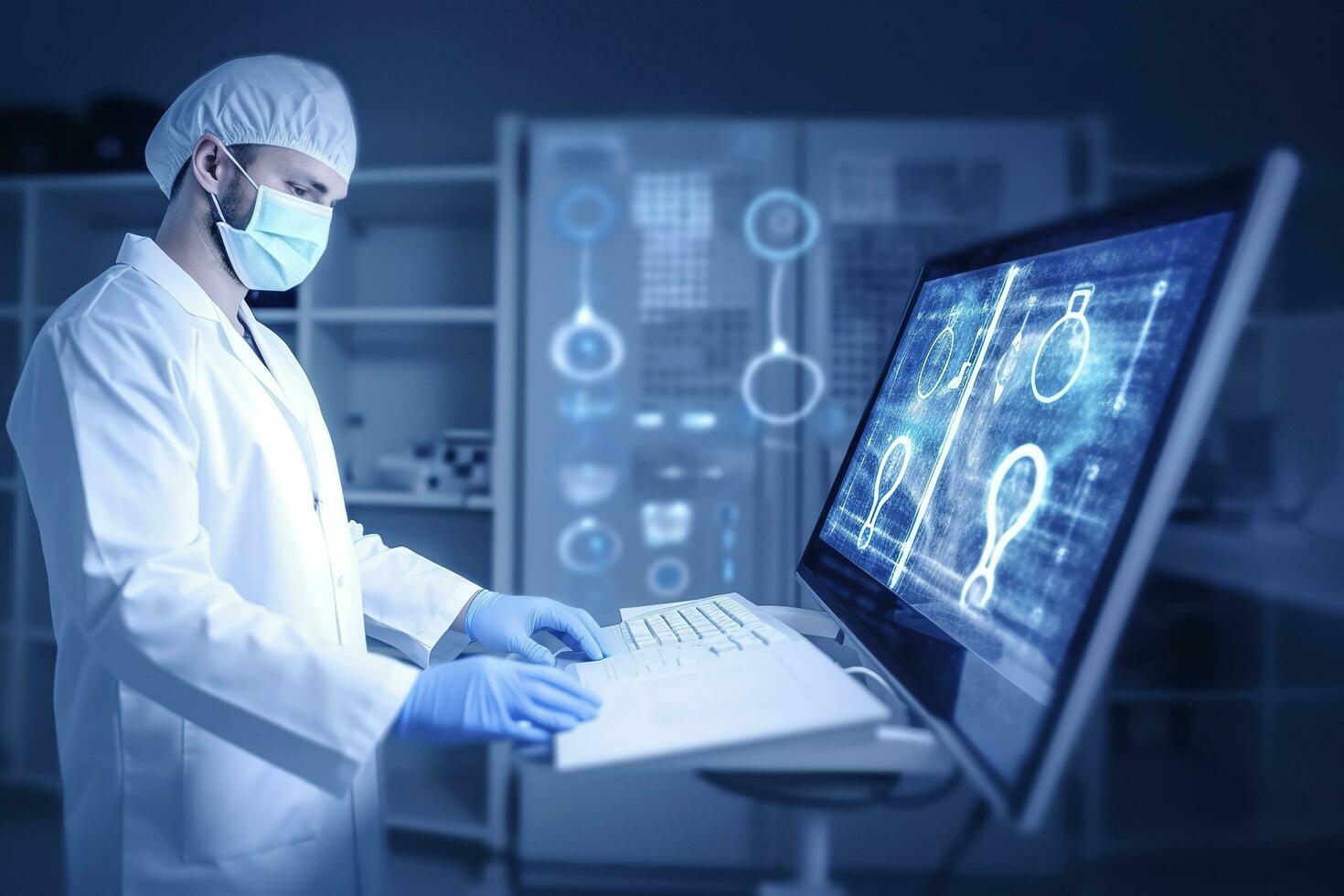
So, how can you, as a patient, navigate this increasingly digitized medical landscape more effectively and even enjoy (okay, maybe "appreciate" is a better word) its benefits? Here are a few practical tips:
- Be an active participant: Don't be afraid to ask your doctor questions about how technology is being used in your care. Understanding the process can alleviate anxieties and empower you to make informed decisions.
- Double-check your information: Ensure your doctor has accurate and up-to-date information about your medical history, allergies, and medications. A small error in the system can have significant consequences.
- Embrace telehealth: Telemedicine appointments can save you time and travel, especially for routine check-ups or follow-up consultations. Familiarize yourself with the telehealth platforms your doctor uses.
- Utilize patient portals: Many healthcare providers offer online patient portals where you can access your medical records, schedule appointments, and communicate with your doctor's office. Take advantage of these resources to stay informed and manage your health proactively.
Ultimately, the integration of computers into medicine is about empowering both doctors and patients. By understanding the technology and actively participating in your own care, you can reap the benefits of a more efficient, accurate, and ultimately, healthier future. It's a brave new world of healthcare, and it's one we can all navigate together, one click at a time.