
The Intrinsic Value Of An Ecosystem
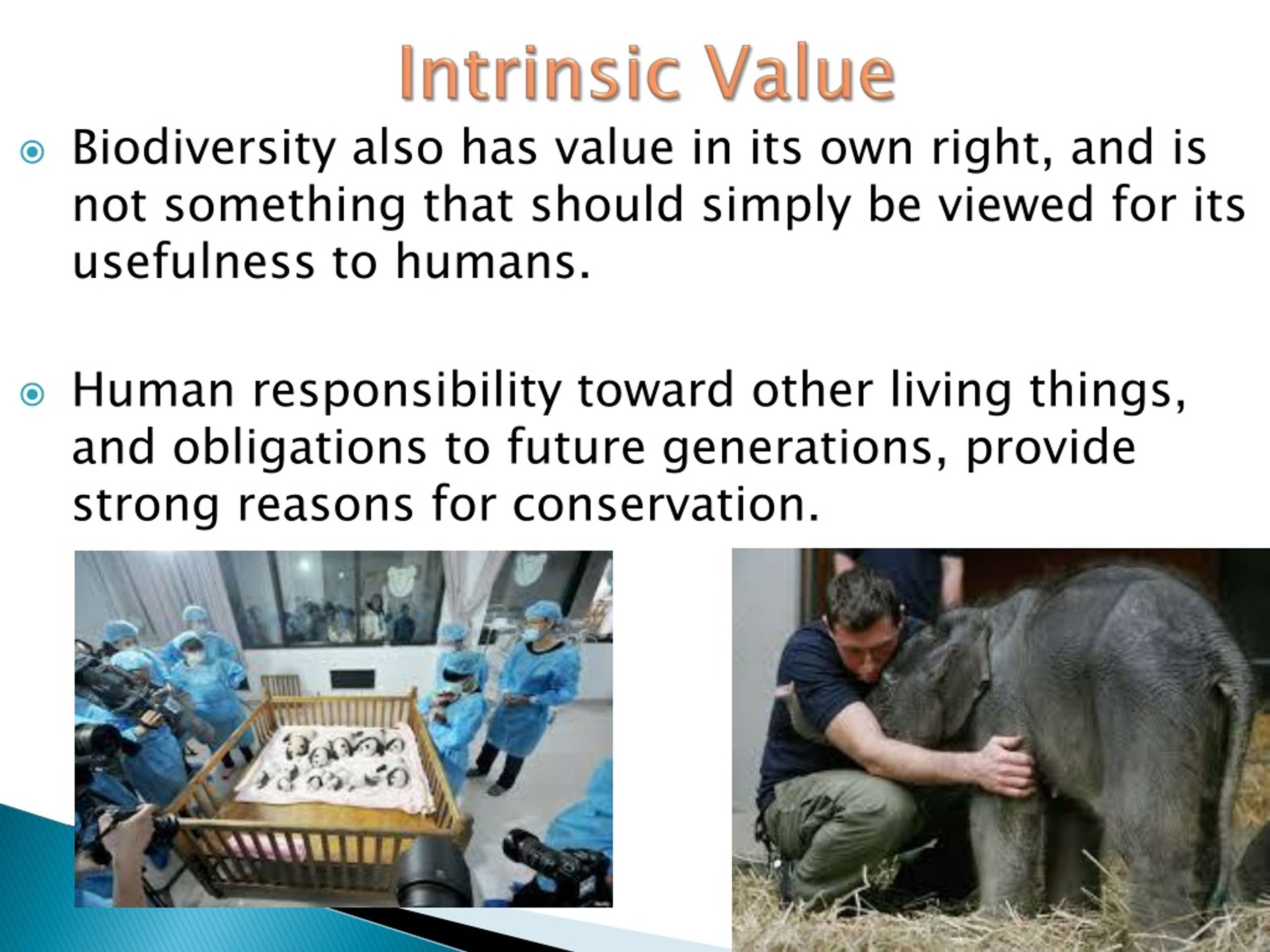
Hey! So, we were talking about ecosystems the other day, right? And it got me thinking... what's really the deal with them? Like, beyond the trees looking pretty and the bees buzzing (which, let's be honest, is already pretty great).
We often hear about how ecosystems are "valuable" because they give us stuff, right? Clean air to breathe (massive plus!), water to drink (essential!), and resources to build stuff with (houses! Coffee tables! The possibilities!). That's called extrinsic value. Basically, it's valuable because it's useful to us.
But what about the ecosystem itself? Does it have value just because it… exists? Is that a crazy thought? I don't think so!
Must Read
Beyond Usefulness: Intrinsic Value
That, my friend, is where intrinsic value comes in. It's the idea that something has worth simply by being, irrespective of whether it benefits humans or not. Think about it – does a rainforest need to provide us with medicine to be worthy of existing? Or is its existence enough?
It's a bit philosophical, I know. Like, what is value, anyway? But stick with me! Imagine a pristine, untouched forest. No roads, no logging, just… trees. And animals. And fungi! A whole lotta fungi, probably. (Okay, maybe I wouldn't want to live in it, but I appreciate it!) Does that forest have value? Even if no one ever sees it?
I'd argue a resounding YES! Why? Because it's a complex, interconnected web of life. It's a living, breathing entity (literally!). It's playing its own important role in the grand scheme of things. And isn't that enough? Think about the sheer awesomeness of it all!
Now, some people might say, "But what if we need to cut down that forest for farmland to feed people?" And that's where things get tricky. It's not always a simple black-and-white situation. We're often faced with tough choices, balancing human needs with the needs of the environment.

The Web of Life (and Why It Matters)
But here's the thing: ecosystems are interconnected. You pull one thread, and the whole tapestry can unravel. Everything is connected in surprising ways. Those fungi I mentioned? They're vital for nutrient cycling! The birds? They spread seeds! Even the creepy crawlies have their role to play!
By recognizing the intrinsic value of an ecosystem, we're acknowledging that it's more than just a resource to be exploited. It's a living, breathing community that deserves our respect and protection.
Plus, let's be real, destroying ecosystems isn't just morally questionable; it's often short-sighted. We might get a quick buck from logging a forest, but what about the long-term consequences? Soil erosion? Loss of biodiversity? Disrupted climate patterns? Suddenly, that "quick buck" doesn't seem so appealing, does it?

Protecting Our Planet (And Ourselves)
So, how do we practically apply the idea of intrinsic value? It's not about stopping all development or pretending humans aren't part of the equation. It's about making more informed decisions. It's about considering the long-term consequences of our actions.
It's about advocating for sustainable practices. It's about supporting organizations that are working to protect endangered species and habitats. It's about simply being more mindful of our impact on the planet.

And honestly, it's about appreciating the sheer beauty and wonder of the natural world. Take a walk in the woods. Watch a sunset. Listen to the birds sing. Remind yourself that we're all part of something bigger than ourselves.
Because when you start to see the intrinsic value in an ecosystem, you start to see the intrinsic value in everything. And that, my friend, is a pretty powerful thing.
What do you think? Am I totally off my rocker here? Or does this resonate with you?