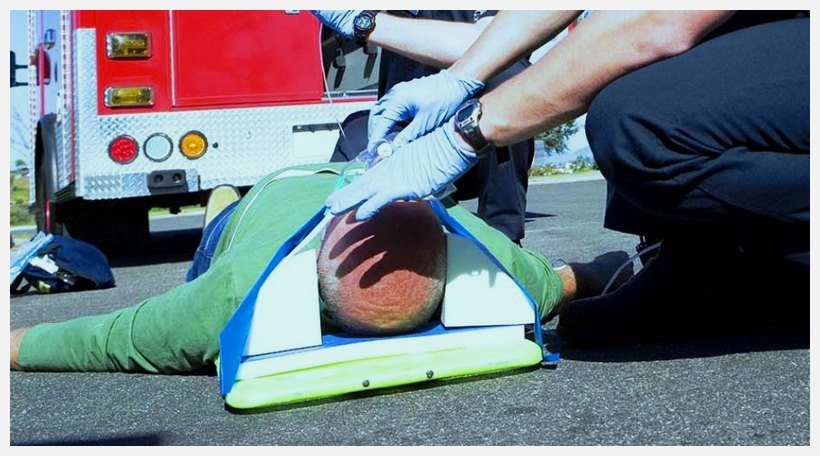
The Initial Assessment Reveals A Conscious Patient
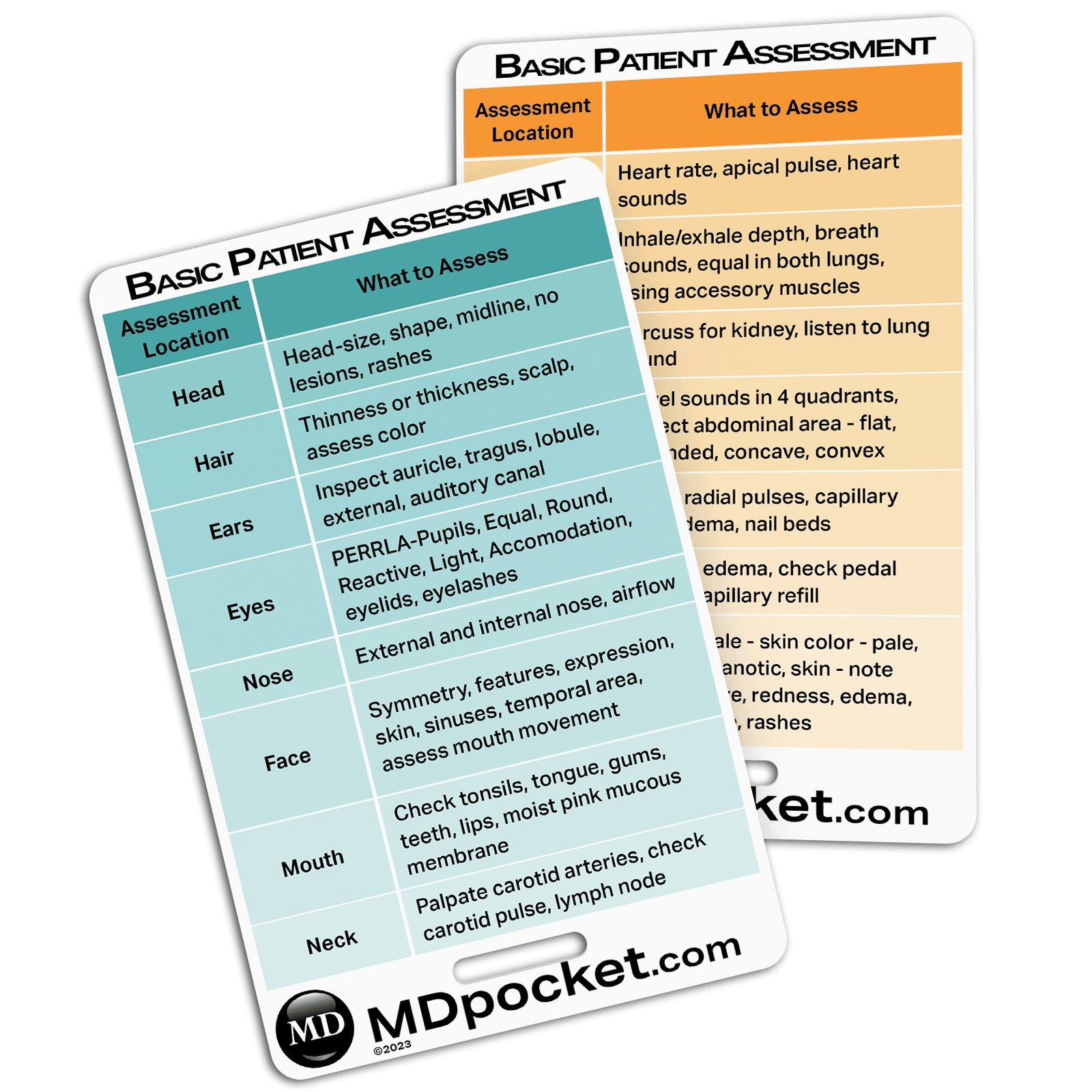
We've all seen it in movies and TV shows: the dramatic scene where a first responder rushes to an injured person, kneels down, and urgently asks, "Are you okay? Can you hear me?" It's a familiar trope, but it highlights something crucial: the initial assessment of a patient. While it might seem like something only medical professionals need to worry about, understanding the basics can be surprisingly useful in everyday life and help you be prepared in unexpected situations.
So, why is this initial assessment so important? The simple answer is survival. The primary goal is to quickly determine the patient's level of consciousness and identify any immediate, life-threatening problems. Is the person breathing? Do they have a pulse? Are they bleeding profusely? These are the questions racing through a first responder's mind, and the answers dictate the next course of action. Identifying that a patient is conscious is the first step, and provides crucial information.
But it's not just about emergencies. Knowing how to quickly assess someone's condition can be helpful in various scenarios. Imagine you find a neighbor who's fainted in their garden. Or a friend who suddenly feels unwell at a party. Being able to quickly check their responsiveness, breathing, and any obvious injuries allows you to provide better assistance and relay accurate information to emergency services if needed. This empowers you to be a helpful bystander, rather than a panicked one.
Must Read
Let's break down a very basic example of an initial assessment focusing on a conscious patient. You approach the person and introduce yourself calmly. "Hi, my name is [Your Name]. I'm here to help." Next, you assess their alertness. A common mnemonic used is AVPU: Alert, Verbal, Pain, Unresponsive. Is the person alert and aware of their surroundings? Do they respond to verbal stimuli, like your questions? Do they only respond to painful stimuli (avoid inflicting unnecessary pain)? Or are they unresponsive entirely? The fact that the initial assessment reveals a conscious patient – whether fully alert or responsive to verbal cues – tells you they are breathing and have a heart rate, however, that doesn't mean there isn't something seriously wrong.
If the patient is conscious, you can then ask simple questions to gather more information. "What happened? How do you feel? Do you have any pain anywhere?" Their answers provide invaluable clues about their condition. Observe their body language. Are they holding their arm? Are they breathing heavily? This information helps paint a clearer picture. Importantly, continue to reassure the patient and let them know that help is on the way (if you've called for it).

To enjoy and improve your understanding of these skills, consider taking a basic first aid or CPR course. These courses provide hands-on training and teach you more comprehensive assessment techniques. Online resources, like the Red Cross website, also offer valuable information. The key is to practice these skills in simulated scenarios. Even just talking through the steps in your mind can make a difference when faced with a real-life situation.
While we hope you never have to use this knowledge in a critical situation, being prepared is always a valuable asset. Understanding the importance of the initial assessment, even the basic awareness of a conscious patient, can empower you to act confidently and potentially save a life. So, embrace the knowledge, learn the skills, and be ready to lend a helping hand.