The Graph Shows The Total Energy Usage

Ever found yourself staring at your electricity bill, brow furrowed, wondering, "Where did all that energy go?!" If so, you're not alone! While a graph showing total energy usage might sound as thrilling as watching paint dry, it’s actually a secret weapon for anyone who loves saving money, cherishes a comfortable home, or just enjoys being a bit of a detective. Think of it not as a boring chart, but as a detailed map to a hidden treasure chest – a chest full of savings and smarter living!
At its heart, understanding these graphs is about empowerment. It demystifies the invisible force that powers our lives. In our everyday hustle, energy consumption often feels like a mysterious beast. We flip a switch, and things happen. But how much juice did that take? What's draining power when everything's off? The graph pulls back the curtain, revealing the patterns and players in your energy drama. It’s your chance to become the director, making informed decisions that not only trim your utility bills but also contribute to a healthier planet. Imagine finally understanding why your summer AC bill always spikes, or discovering that forgotten mini-fridge in the garage is costing you a small fortune!
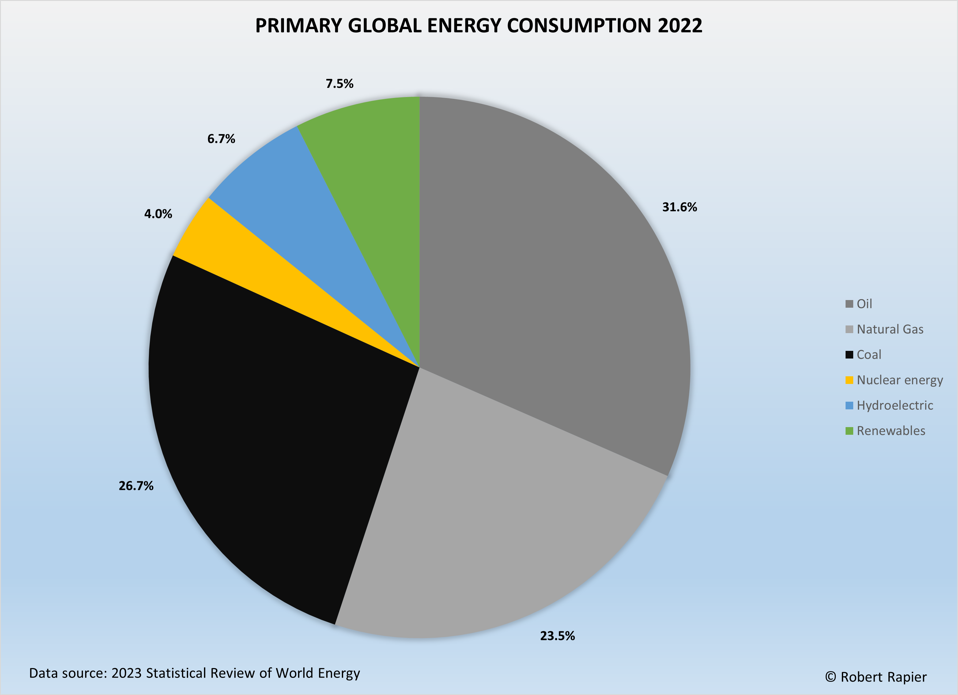
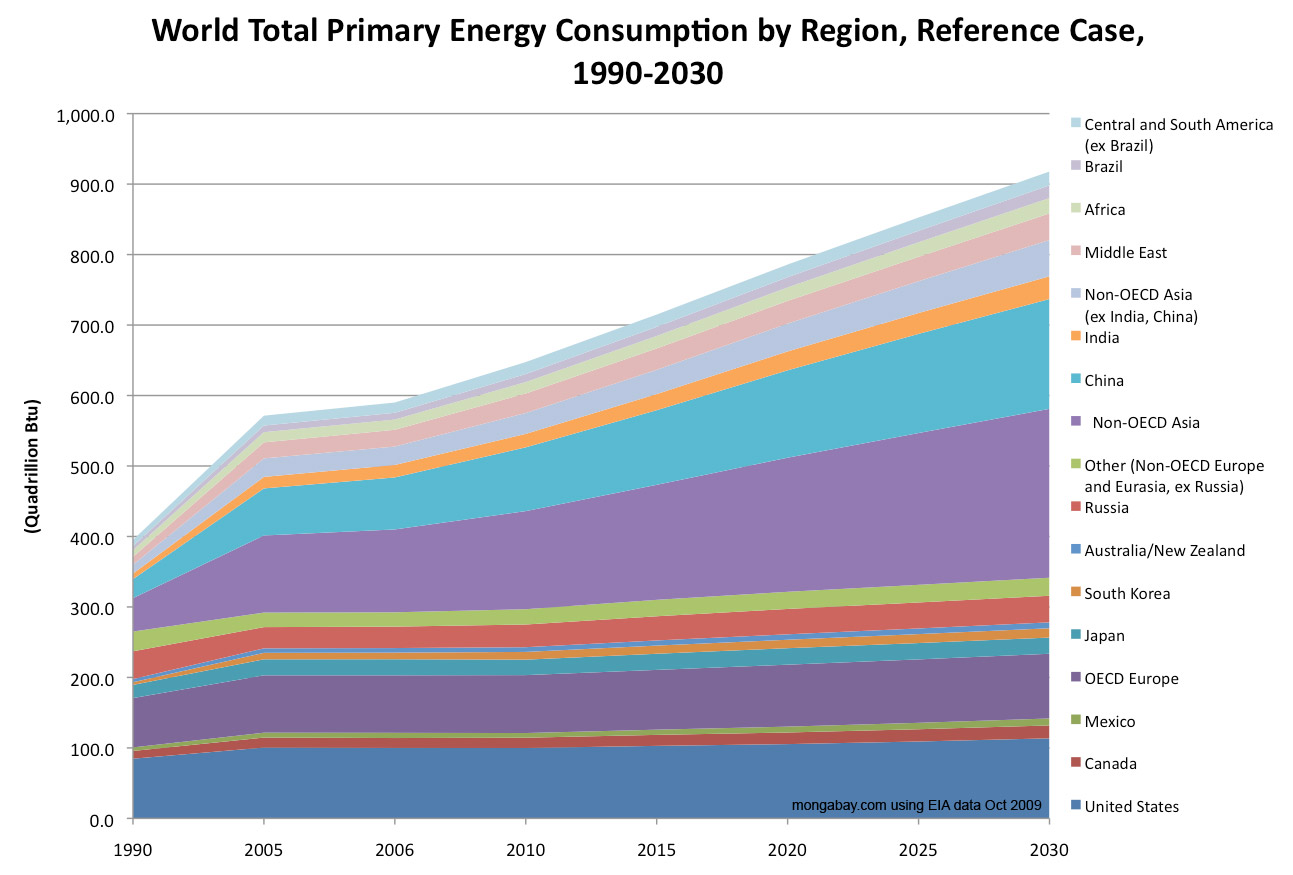
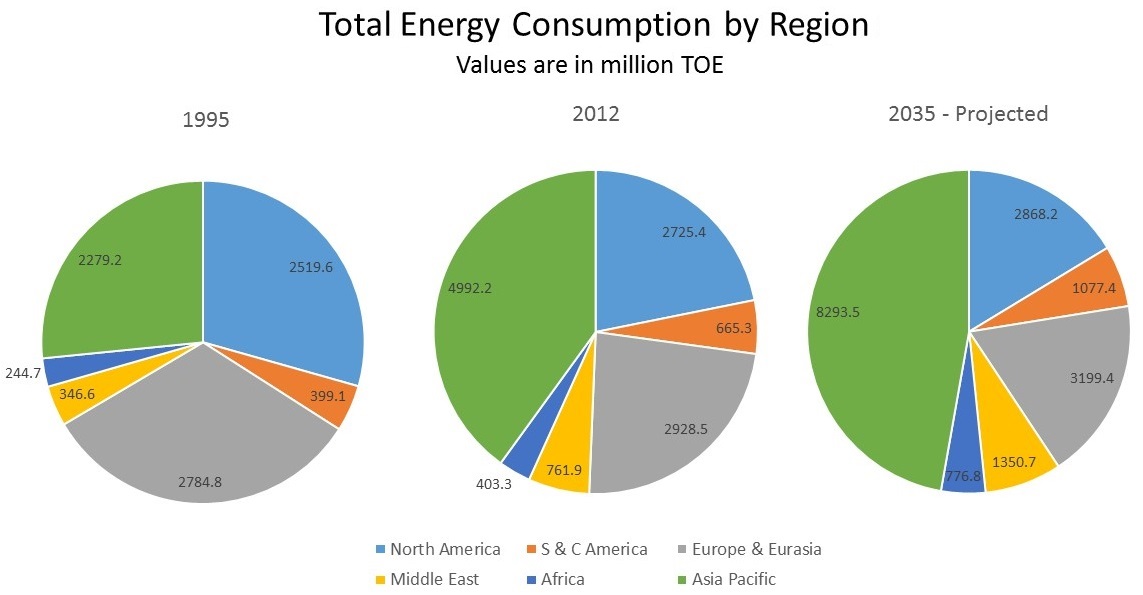
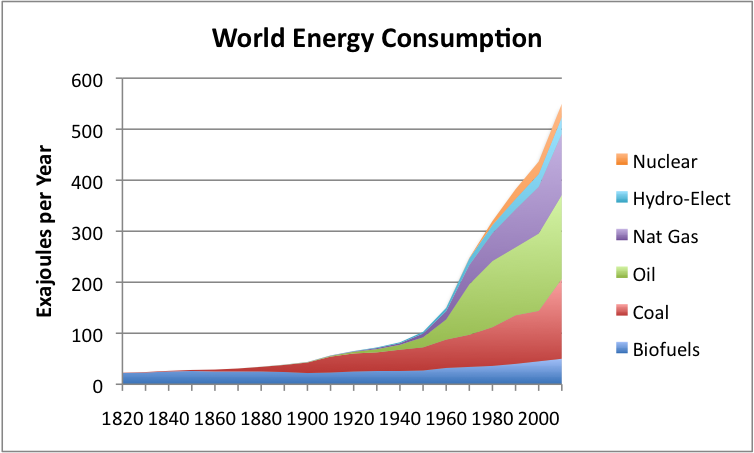
Where do we encounter these illuminating insights? Everywhere! Your monthly electricity bill is the most common culprit, often featuring a simple bar graph comparing current usage to past months. But the real fun begins with modern applications. Many smart home apps, paired with smart meters or energy monitoring devices, offer real-time graphs that update constantly. You can watch your usage spike when the oven is on, or plummet when you unplug your laptop charger. Beyond the home, major news outlets often use national or global energy usage graphs to illustrate trends, climate impact, or the efficiency of new technologies. These graphs help us grasp the bigger picture, from understanding peak demand times in your city to tracking the worldwide shift towards renewable energy sources.
Must Read
So, how can you truly "enjoy" becoming an energy graph guru? First, embrace your inner Sherlock Holmes. Look for anomalies – sudden spikes, persistent high baselines, or unusual patterns. What appliance was running then? Could it be a "vampire" load, quietly sucking power even when off? Second, set yourself challenges! Can you identify your home's "peak usage" hour and consciously try to shift some activities to off-peak times? Third, consider investing in a simple plug-in energy monitor (often called a "Kill A Watt" meter) to measure individual appliance usage. This makes the graph even more meaningful when you know the specific culprits. Finally, don't just stare; act! Armed with this knowledge, you can make smarter choices about everything from replacing old appliances with energy-efficient models to simply remembering to turn off the lights. Engaging with your energy usage data isn't just about cutting costs; it's about becoming a more mindful, efficient, and ultimately, smarter consumer of the power that runs your world.