
The Combining Form Meaning Muscle Is
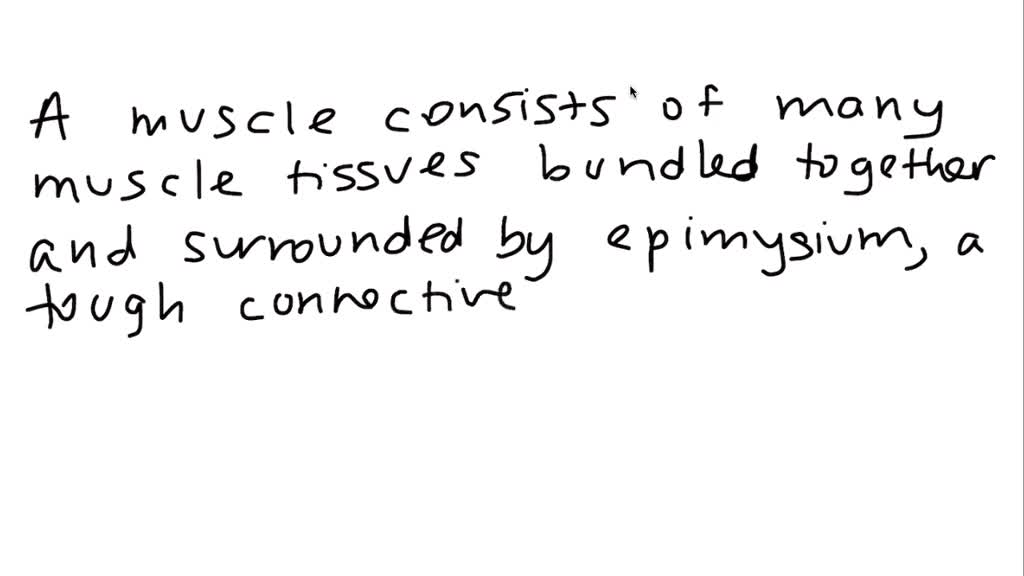
Ever wonder where those fancy medical terms come from? So many of them have these weird little building blocks, and once you crack the code, it's like unlocking a whole new level of understanding about your own body! Today, we're tackling one of those building blocks: the combining form that means "muscle." Get ready to flex your brainpower!
Meet "Myo-" and "Sarco-": Muscle's Secret Identities
Okay, here's the deal. When you see "myo-" or "sarco-" at the beginning of a medical term, chances are excellent that it's related to muscle. Think of them as muscle's secret identities! They're like Clark Kent and Superman, both representing the same powerful entity (except, you know, in your body, not Metropolis).
Why two? Well, that’s just how language evolved. “Myo-” comes from the Greek word for muscle, while “sarco-” comes from the Greek word for flesh. Essentially, they both point to the same thing, but in slightly different contexts. Don't worry about the nuances too much; just knowing they both mean muscle is a huge win!
Must Read
"Myo-" in Action: Everyday Examples
Let’s see "myo-" in action. Have you ever heard of myalgia? It sounds serious, right? But it simply means muscle pain. Think of that ache you get after a particularly intense workout, or maybe that random twinge in your back after spending too long hunched over your computer. Yup, that's myalgia!
And how about a myocardium? That's the muscular tissue of your heart! Your heart is basically a big, powerful muscle, constantly pumping blood to keep you alive. Knowing "myo-" means muscle, you can immediately understand that the myocardium is the working muscle of your heart. Suddenly, those medical dramas make a little more sense, right?
![[ANSWERED] The combining form muscul o has the same meaning as which](https://media.kunduz.com/media/sug-question-candidate/20220512160724514556-3074380.jpg?h=512)
Here's a little story: My friend Sarah went to the doctor complaining of some twitching in her eyelid. The doctor mentioned something about myokymia. Sarah panicked, thinking it was some terrible disease. But I reassured her, "Hey, 'myo-' means muscle, and 'kymia' refers to muscle movement or twitching. So, it's just muscle twitching! Probably just stress or lack of sleep." She felt much better knowing it wasn't some scary, unknown condition.
"Sarco-" Steps Up: The Flesh Factor
Now, let's bring "sarco-" into the spotlight. This one often pops up in more technical or scientific contexts. Think of things related to the cellular structure of muscles.
Ever heard of a sarcomere? That’s the basic functional unit of muscle tissue. It's the little engine that makes your muscles contract and relax. If you were to zoom way, way in on your muscles, you’d see tons of sarcomeres lined up, working together like tiny little pistons. Understanding that "sarco-" means muscle gives you a head start in grasping what a sarcomere is all about.

Another example is sarcopenia, which refers to the loss of muscle mass and strength as we age. It's a natural part of getting older, but knowing the term itself can empower you to take steps to combat it, like staying active and eating a protein-rich diet. See? Knowledge is power! Even just knowing “sarco-” means muscle can nudge you toward a healthier lifestyle.
Why Should You Care? It's All About Understanding Your Body
Okay, so maybe you're not planning on becoming a doctor or a medical researcher. So why should you care about "myo-" and "sarco-"? Simple: It helps you understand your own body better!
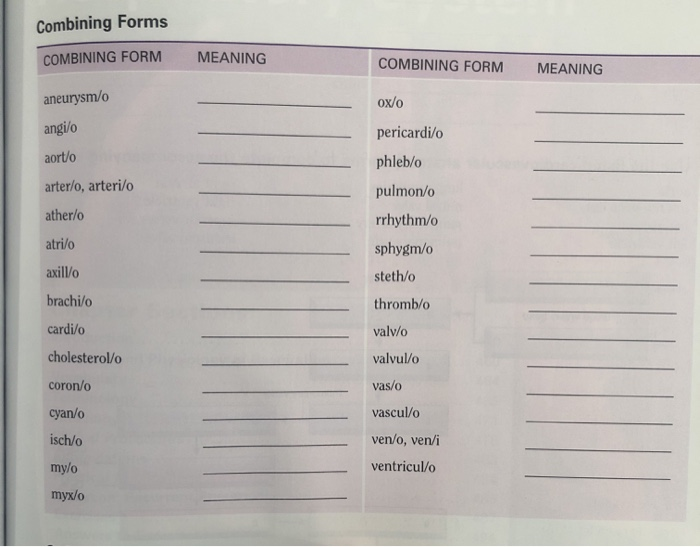
When you hear medical professionals using these terms, you won't feel like you're listening to a foreign language. You'll be able to ask more informed questions, understand diagnoses more easily, and generally feel more in control of your health. Think of it as having a secret decoder ring for the language of medicine!
Plus, it's just plain interesting! Our bodies are incredible machines, and learning about the building blocks that make them work is fascinating. So, the next time you hear a word with "myo-" or "sarco-" in it, give yourself a mental high-five. You've cracked the code, and you're one step closer to understanding the amazing world of human anatomy!
So go ahead, flex those newly acquired knowledge muscles! You might be surprised at how much you enjoy learning about the language of your own body.
