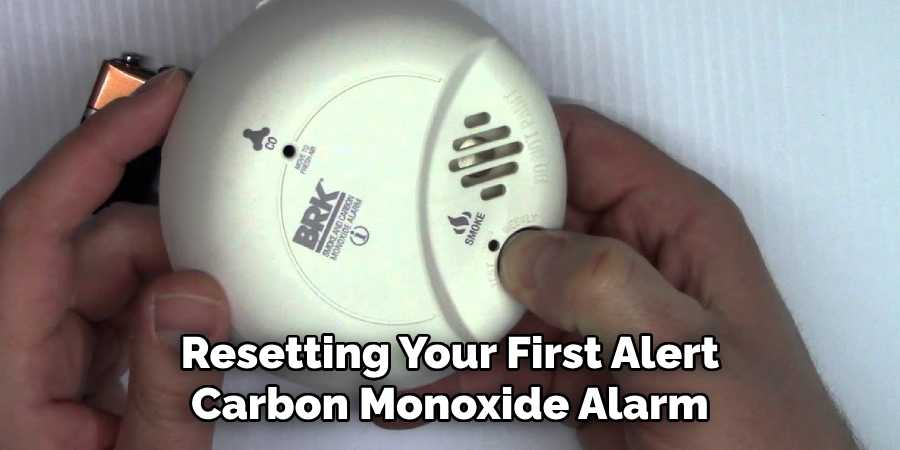
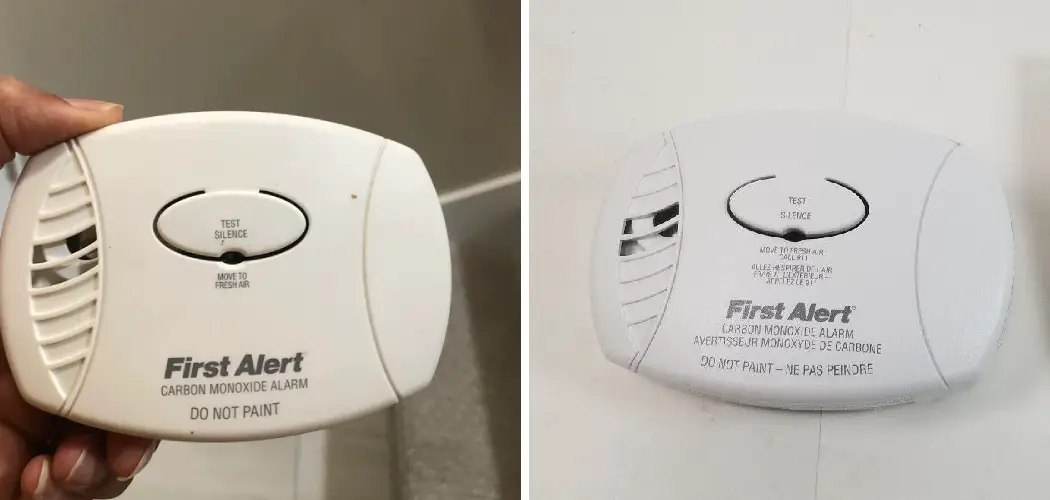
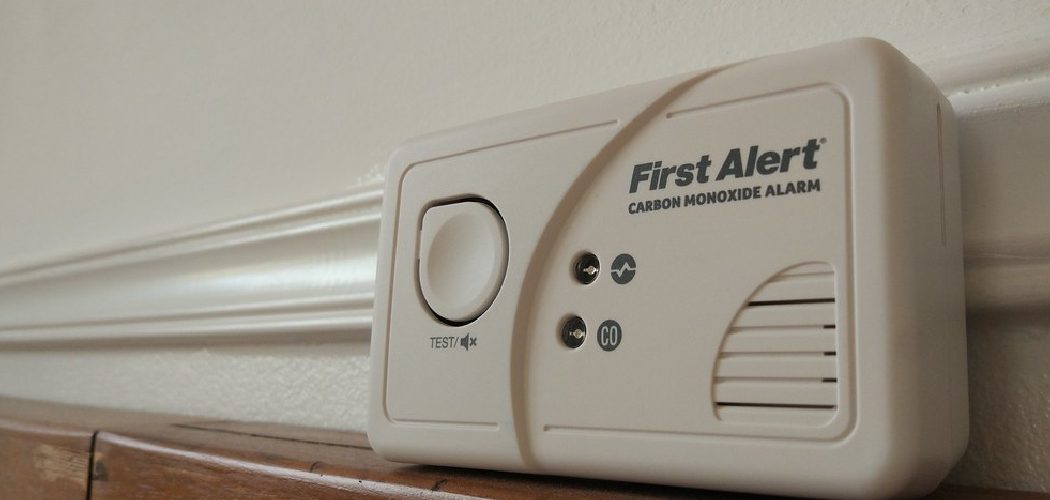
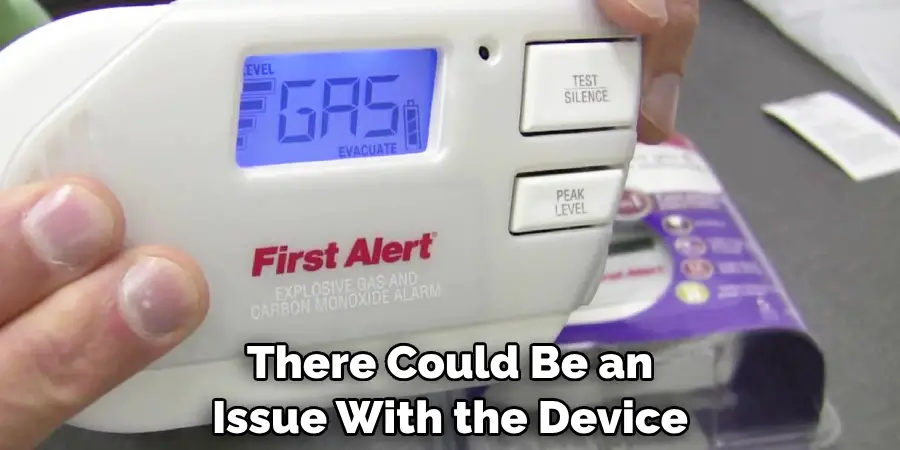
Test First Alert Carbon Monoxide Alarm
There's a special kind of comfort that comes with knowing your home is a sanctuary. It’s the feeling of tucking into bed, listening to the quiet hum of your household, and feeling utterly safe. While we often celebrate smart thermostats or plush sofas, there's an unsung hero working tirelessly to protect that peace of mind: your Carbon Monoxide Alarm, especially reliable models like the Test First Alert. It's not a gadget you 'play with' or 'enjoy' in the traditional sense, but the profound sense of security it provides is, arguably, the most comforting 'feature' of all. It’s about more than just a device; it’s about the silent guardian that allows you to truly relax and live freely in your own space.
Let's be real: Carbon Monoxide (CO) is a truly terrifying threat. It's often called the 'silent killer' because it's completely odorless, colorless, and tasteless. You simply can't detect it with your human senses, which is precisely why it's so dangerous. CO is a byproduct of incomplete combustion, meaning it can be emitted by everyday appliances like your furnace, gas stove, water heater, fireplace, or even a barbecue grill used improperly. When inhaled, CO replaces oxygen in your blood, leading to serious health issues, unconsciousness, and even death. This is where your First Alert CO alarm steps in, acting as your home's personal sentinel. It constantly monitors the air, and should it detect dangerous levels of CO, it lets out a loud, unmistakable alert, giving you critical time to evacuate and seek help. It's not just a device; it’s a lifesaver, providing a vigilant watch over your family's health and safety.
Think of it as a protective bubble around your most vulnerable spaces. You'll typically find these alarms strategically placed near sleeping areas, ensuring you're alerted even when most deeply asleep. But their utility extends further. They’re crucial on every level of your home, and particularly near potential CO sources. Ever thought about using a generator during a power outage? Without proper ventilation, that generator can become a CO factory, making a nearby alarm an absolute necessity. A clogged chimney flue from your fireplace or a malfunctioning burner on your gas stove could also silently pump out this dangerous gas. The alarm serves as an invisible shield, whether you're cozying up by the fire, cooking a family meal, or simply heating your home. It’s an essential guardian in every home, new or old, because even the best appliances can fail.
Must Read
To truly 'enjoy' the immense peace of mind your First Alert CO alarm offers, you need to ensure it's always ready for action. Here are a few practical tips:
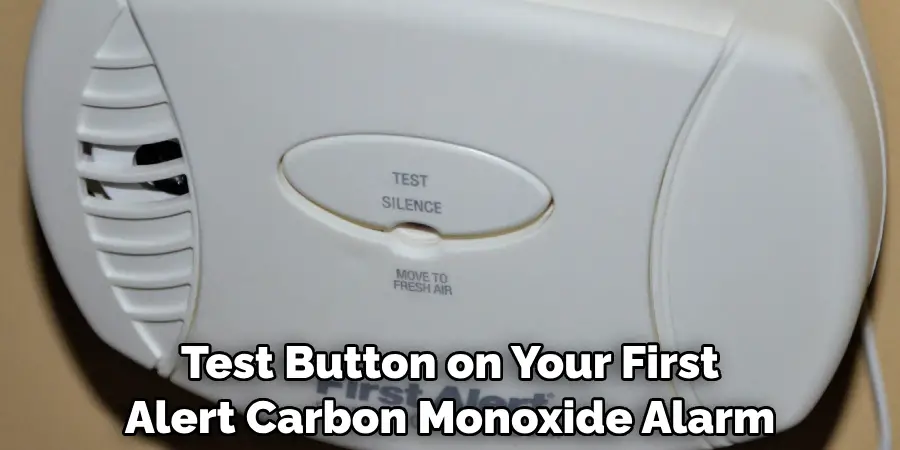
- Test it Monthly: That little test button isn't just for show! Make it a habit to press it once a month. Yes, it’s loud, but that screech is the sound of readiness – a comforting assurance that your device is operational.
- Battery Upkeep: If your alarm uses replaceable batteries, swap them out at least once a year, ideally when you change your clocks for daylight saving time. If it starts chirping intermittently, that’s its way of telling you the battery is low – don't ignore it!
- Strategic Placement: Follow the manufacturer's instructions for placement. Generally, aim for one on every level of your home, especially near sleeping areas. Avoid placing them too close to fuel-burning appliances (to prevent nuisance alarms) or in dead air spaces like corners.
- Know Its Lifespan: CO alarms don't last forever. Most have a lifespan of 5-7 years, after which their sensors degrade. There's often a 'replace by' date on the back – mark your calendar!
- Understand the Alert: Familiarize yourself with the alarm's sound. A continuous, loud alert means evacuate immediately and call emergency services. A series of chirps usually means a low battery or end-of-life.