
Tankless Water Heater Gallons Per Minute

Alright, folks, let's talk about something that secretly dictates a lot of our morning moods: hot water. Specifically, that magical, endless stream of warmth that a tankless water heater promises. But how do you make sure that promise isn't just a sad, lukewarm whisper when you’re craving a proper, full-throttle hot shower? It all boils down to one little acronym: GPM. And trust me, understanding Gallons Per Minute is way more fun than it sounds, especially when we dive into the comedic chaos of daily life.
Picture this: It's a chilly morning. You’ve braved getting out of bed, shuffled to the bathroom, and are ready for that glorious, soul-warming shower. You turn the knob, and... nothing but a frigid trickle. Or worse, your teenager just started their shower, and now yours feels like an arctic blast. We’ve all been there, right? It’s like the universe is playing a cruel joke, and the punchline is you shivering.
So, What Exactly is GPM? And Why Should I Care?
GPM, my friends, is simply how many gallons of hot water your tankless heater can deliver in a single minute. Think of it like this: if your hot water is a rock band, GPM is how many awesome guitar solos, drum fills, and powerful vocals it can deliver simultaneously. A low GPM is like a solo acoustic act; a high GPM is a full-blown stadium concert with pyrotechnics. You want the concert, don't you?
Must Read
With a traditional tank, you get a fixed amount of hot water. When it's gone, it's gone. Like a bag of chips – once you hit the bottom, you're out. A tankless system, however, heats water on demand. It's like an endless buffet of warmth. But even an endless buffet has a serving capacity. If too many people (or faucets) try to fill their plates (or tubs) at once, things get... complicated.
The Hot Water Hunger Games: Why GPM Matters to Your Sanity
Imagine your household during peak hot water demand. Someone's showering, someone else is running the dishwasher, and maybe, just maybe, you're trying to wash your hands with a decent temperature. If your tankless water heater's GPM is too low for this kind of household hot water Olympics, you're in for a rude awakening.
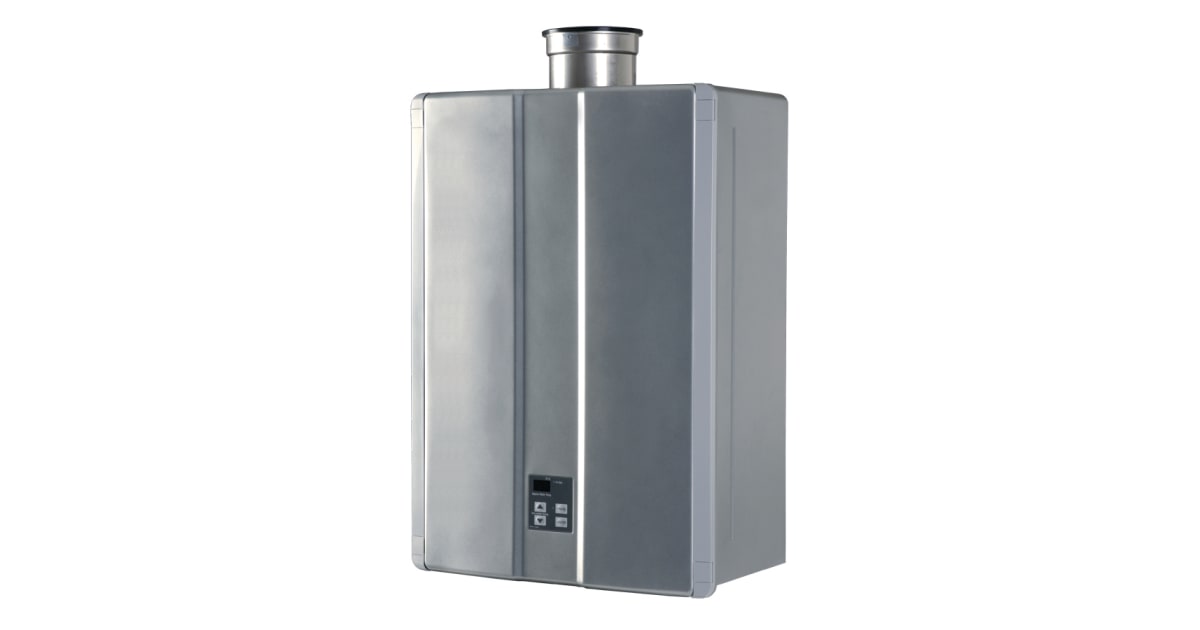
Suddenly, that blissful shower becomes a game of "dodge the cold spots." The dishwasher might complain, and your hands will feel like they're getting a lukewarm pat, not a proper wash. It's like trying to fill a swimming pool with a garden hose that has a tiny leak. It'll get there eventually, but not without a lot of sighing and shivering impatience.
A typical shower uses about 2.5 GPM. A dishwasher might sip around 1-2 GPM. A washing machine, another 1.5-2 GPM. See where this is going? If your tankless heater only cranks out, say, 5 GPM, and you have two showers running (5 GPM total), well, kiss that dishwasher's hot water goodbye, or prepare for lukewarm disappointment all around!

How to Play Hot Water Detective: Figuring Out Your GPM Needs
This isn't rocket science, but it does require a little detective work – or, more accurately, a hot water audit of your home. Grab a pen and paper. Now, think about your typical morning or evening routine.
- How many showers run simultaneously?
- Do you often run the dishwasher while someone is showering?
- Laundry day? Is the washing machine a hot water hog in your house?
- Anyone a fan of filling up a big ol' bathtub? (Those can be GPM monsters!)
Add up the GPM for all the hot water fixtures you expect to run at the same time. That's your absolute peak demand. Most tankless water heater manufacturers will provide a chart that helps you estimate based on the number of bathrooms and common appliances. Don't forget that your inlet water temperature also plays a role – if your groundwater is super cold (hello, winter!), your heater has to work harder to raise its temperature, which can slightly reduce its effective GPM output.

The Goldilocks Principle of GPM: Not Too Little, Not Too Much
Choosing the right GPM for your tankless water heater is like finding the perfect bowl of porridge – you want it just right.
- Too little GPM: You're back to the cold shower drama, the lukewarm hand washes, and the general household unhappiness. It's like buying a sports car but only being able to drive it in first gear. What's the point?
- Too much GPM: While there's no harm in having extra capacity, you might be paying for more power than you truly need. It's like buying a stadium sound system for your broom closet. Overkill.
- Just right GPM: Ah, bliss! Everyone gets their hot water, the dishwasher cleans sparkling clean, and your morning shower is a glorious, uninterrupted waterfall of warmth. This is the sweet spot, where your investment truly pays off.
So, when you're considering a tankless water heater, remember that GPM isn't just a technical spec. It's the difference between a house full of happy, hot-water-satiated humans and a household constantly battling for that precious stream of warmth. Do your homework, count those GPMs, and enjoy the endless hot showers! Your future self (and your family) will thank you.
