
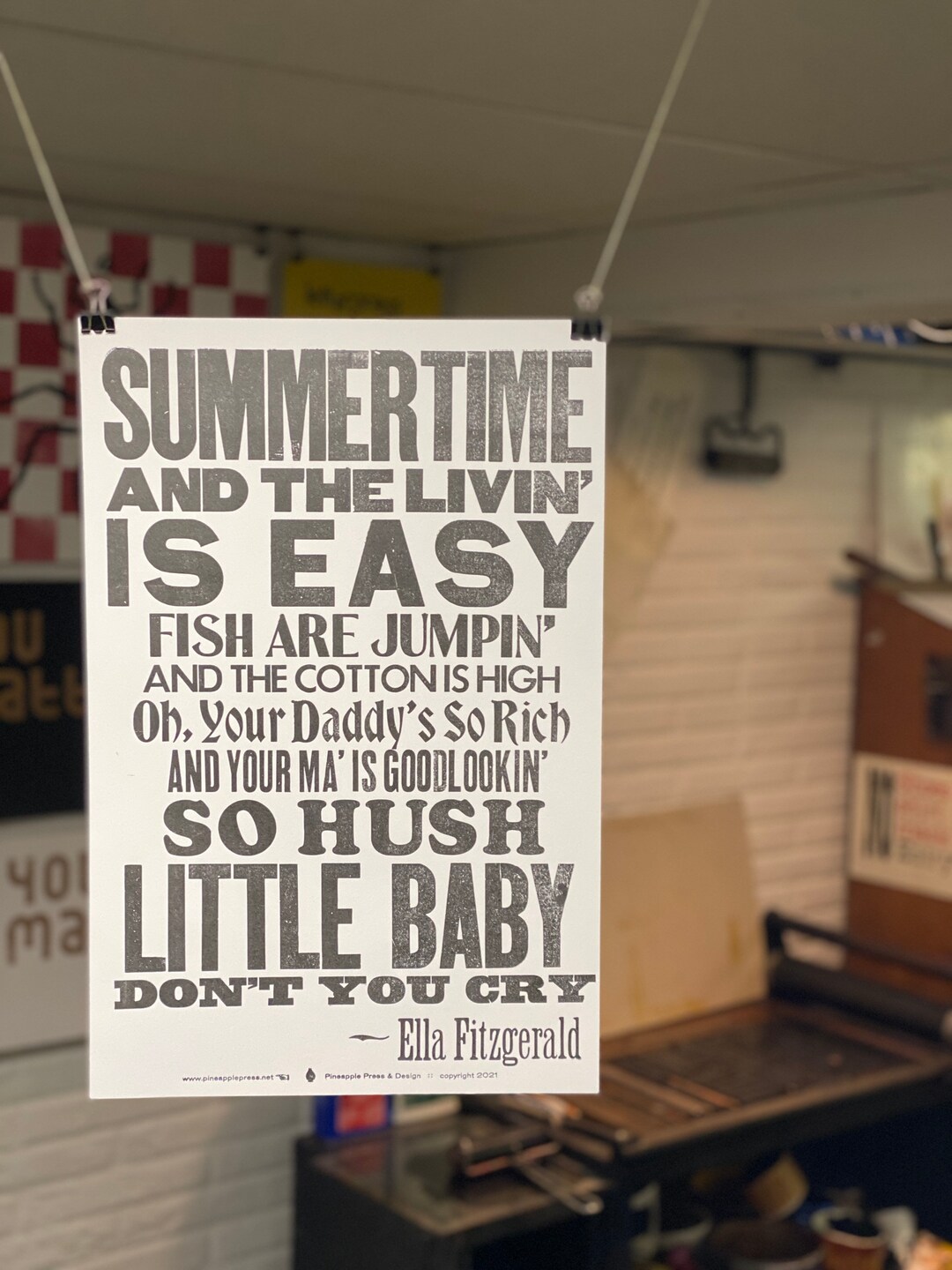
Summertime And The Livin Is Easy Lyrics

Ever heard that tune that just screams summer? The one that makes you want to kick back, sip lemonade, and forget about, well, everything? Chances are, you’re thinking of Summertime, from the opera Porgy and Bess. But how did this "easy" song become such a complex cultural icon?
From Opera Stage to... Everywhere!
Initially, Summertime was an aria, a solo song, within Porgy and Bess. Think of it as the opera's greatest hit! It's sung by Clara to her baby, promising a life free of hardship.
But here's the kicker: it didn't stay put on the stage. The tune was too good to be confined! Soon, everyone and their grandmother (literally, probably!) was singing it.
Must Read
So, Who Wrote This Magic?
The music was composed by George Gershwin. DuBose Heyward wrote the lyrics. Together, they created a timeless masterpiece.
Gershwin, already a musical genius, wanted to write an American opera. He wanted to capture the spirit of the South. He traveled to Charleston, South Carolina, to immerse himself in the culture.
Heyward, a Charleston native, provided the authenticity Gershwin craved. He brought the language and stories of the Gullah people to the opera. Their collaboration was a match made in musical heaven.
More Than Just a Lullaby: Decoding the Lyrics
Let's break down those famous lines: "Summertime, and the livin' is easy." Sounds simple, right? But there's more than meets the ear.

That "livin' is easy" part is tinged with irony. The opera is set in Catfish Row, a poor neighborhood in Charleston. Life isn't actually that easy for the characters. Summertime offers a dream of escape, a fleeting moment of peace.
Then there's "Fish are jumpin' and the cotton is high." These images paint a picture of abundance. It's a vision of prosperity, contrasting with the reality of poverty.
Finally, "Your daddy's rich and your ma is good lookin'." This highlights another contrast. It's a promise of a brighter future for the baby, a future perhaps unlike the parents' own. These lyrics are simple, yet layered with meaning.
The Power of "Hush, Little Baby"
Ever noticed how the song resembles a lullaby? It's designed to soothe and comfort. But it's also meant to offer reassurance and hope to the mother. It's a message of love and protection.
Consider the repetition. Lullabies often use repetition to create a calming effect. This musical element reinforces the message of safety and security.

The "Summertime" Hall of Fame: Covers Galore!
Okay, here's where it gets wild! Summertime has been covered by practically everyone. Jazz legends, rock icons, even pop divas have taken a stab at it.
Ella Fitzgerald and Louis Armstrong? Check. Their version is a classic, oozing with swing and soulful vocals. Billie Holiday also offered a haunting, deeply emotional rendition.
Janis Joplin? Absolutely! Her bluesy, raw take is a far cry from the opera. It reflects her own turbulent life and struggles.
Sublime? Believe it or not, yes! They gave it a reggae twist. Talk about unexpected!
Each version brings something unique to the song. They reflect the artist's own style and interpretation. It's a testament to the song's enduring power. They showcase its adaptability.

Why So Many Covers?
Why is Summertime so irresistible to musicians? It's a beautiful melody and evocative lyrics. It's a blank canvas for artists to express themselves.
The song's universal themes resonate with audiences across genres and generations. Everyone can relate to the desire for peace and security. Everyone understands the hope for a better future.
The Controversy: Race and Representation
Porgy and Bess, and Summertime by extension, haven't been without their critics. Some argue the opera perpetuates harmful stereotypes. They say that it presents a romanticized view of black life in the South.
These are important conversations to have. Art should be examined critically. It's essential to consider the historical context and potential impact of creative works.
However, others argue that Porgy and Bess was groundbreaking. It gave black performers opportunities at a time when they were scarce. The opera brought black stories to a wider audience.
The opera remains a complex and controversial work. It sparks ongoing debate about race, representation, and artistic license. These conversations remind us of the power of art to shape perceptions.
"Summertime" Today: Still Relevant?
Decades after its debut, Summertime continues to be performed and loved. It's used in movies, commercials, and TV shows. It reminds us of simpler times.
The song's message of hope and resilience still resonates. In a world filled with challenges, it offers a moment of peace. It reminds us that even in the darkest times, there is always hope for a brighter future. Summertime endures as a reminder of beauty.
So, the next time you hear Summertime, take a moment. Listen beyond the familiar melody. Consider the layers of history, meaning, and emotion embedded within. And maybe, just maybe, you'll feel a little bit of that "easy livin'," even if just for a moment.
It's a song that promises a respite from hardship. A promise of calm, of warmth, of better days ahead. Summertime, in all its complexities and beauty, remains an enduring testament to the power of music.