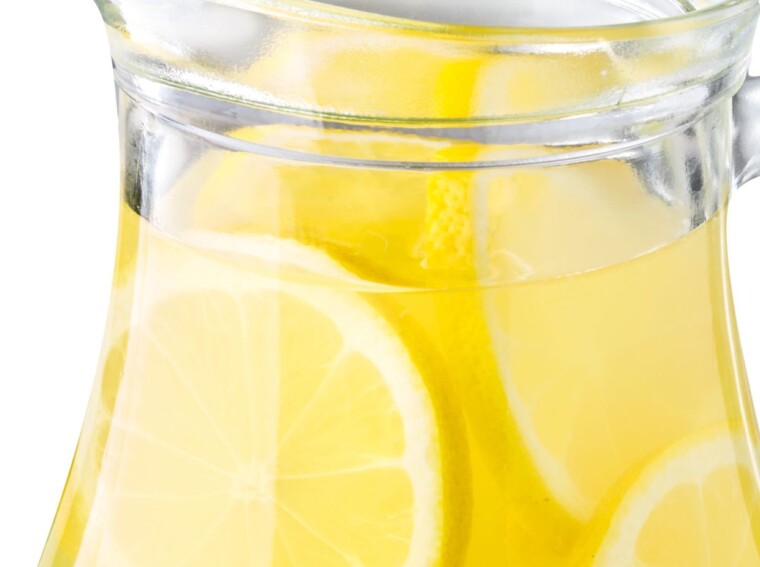
Storing Lemonade In A Pewter Pitcher Can Result In What

Picture this: it's a sun-drenched afternoon, the air thick with the buzz of cicadas, and all you crave is a tall glass of ice-cold lemonade. You reach for your beautiful, heirloom pewter pitcher, inherited from your Great Aunt Mildred. Classy, right? Absolutely. But before you fill it with that citrusy goodness, let's pause for a quick chemistry lesson – because storing lemonade in pewter can lead to a surprising, and somewhat unpleasant, result.
The Lemonade-Pewter Tango: A Sour Note
So, what exactly happens when lemonade meets pewter? The key is acidity. Lemonade, being primarily lemon juice and water, is highly acidic. Pewter, while relatively stable, contains a percentage of lead. The acid in the lemonade can react with the lead in the pewter, causing the lead to leach into the liquid. Think of it like a slow, unwelcome dance between two unlikely partners, ending with a potentially toxic beverage.
Lead poisoning, even in small doses over time, can have serious health consequences. Symptoms range from fatigue and headaches to more severe neurological issues. While a single glass of lemonade from a pewter pitcher likely won't cause immediate harm, consistent exposure is definitely something to avoid.
Must Read
Beyond the Basics: A Little Pewter History
Pewter has a rich history, dating back to the Bronze Age! For centuries, it was a popular material for tableware, particularly among those who couldn't afford silver. Think quaint medieval banquets and colonial-era dining tables. However, the composition of pewter has varied over time. Older pewter often contained higher levels of lead, making it more reactive with acidic substances. Modern pewter typically contains less lead (or is even lead-free), but it's always wise to err on the side of caution, especially with vintage pieces.
Practical Tips for Lemonade Lovers (and Pewter Owners!)
Don't despair! You don't have to banish your beautiful pewter pitcher to the back of the cupboard. Here’s how to enjoy lemonade safely and admire your pewter too:

- Use it for display only: Admire your pewter pitcher for its beauty and history, but keep it purely decorative. Fill it with flowers instead of beverages.
- Line it: If you absolutely must use it for serving, consider using a food-safe liner. A glass or ceramic insert will create a barrier between the lemonade and the pewter.
- Opt for lead-free: If you're purchasing new pewter, look for pieces that are specifically marked as lead-free. These are generally safe for serving food and drinks.
- Test, test, test: There are lead testing kits available at most hardware stores. You can use these to test your pewter pitcher for lead content. However, even if the test is negative, remember that lead can still leach over time.
- Choose alternative materials: Glass, stainless steel, ceramic, or even BPA-free plastic pitchers are all excellent, and completely safe, alternatives for serving lemonade.
And speaking of safe alternatives, have you tried a classic mason jar? They're perfectly on-trend and ideal for that rustic-chic lemonade presentation. You could even add a striped paper straw for extra Instagrammable appeal!
Cultural Connection: Lemonade Stands and Summertime Nostalgia
Lemonade is more than just a drink; it's a symbol of summer, childhood, and good old-fashioned entrepreneurial spirit. Remember setting up your own lemonade stand as a kid? The sticky fingers, the eager anticipation of customers, the sweet, tangy taste of success (and slightly watered-down lemonade!). It's a quintessential American experience.

In movies and literature, lemonade often represents simple pleasures and carefree days. Think of Scout Finch sipping lemonade on the porch in "To Kill a Mockingbird," or the refreshing glass offered after a long day in a classic film. It’s a reminder to slow down and savor the small moments.
The Takeaway: A Little Awareness Goes a Long Way
The lemonade-pewter predicament is a good reminder that even seemingly harmless objects can pose hidden risks. It’s a call to be mindful of the materials we use, the history they carry, and the potential impact they can have on our health. By being informed and making smart choices, we can enjoy the simple pleasures of life – like a refreshing glass of lemonade – without worry.
So, next time you’re reaching for that pitcher, take a moment to consider what it's made of. A little awareness can go a long way in keeping you and your loved ones safe and healthy. And that’s something worth raising a glass (preferably not a pewter one) to!