Stockholders Equity Is Not Affected By All

Let's be honest, diving into the world of finance can feel like wading through treacle. It's full of jargon and complex concepts that seem designed to intimidate. But trust me, understanding even the basics can empower you to make smarter decisions, whether you're investing your hard-earned cash or just trying to understand how businesses operate. And today, we're tackling a seemingly tricky topic: Stockholders' Equity and how it isn't affected by every single transaction a company makes.
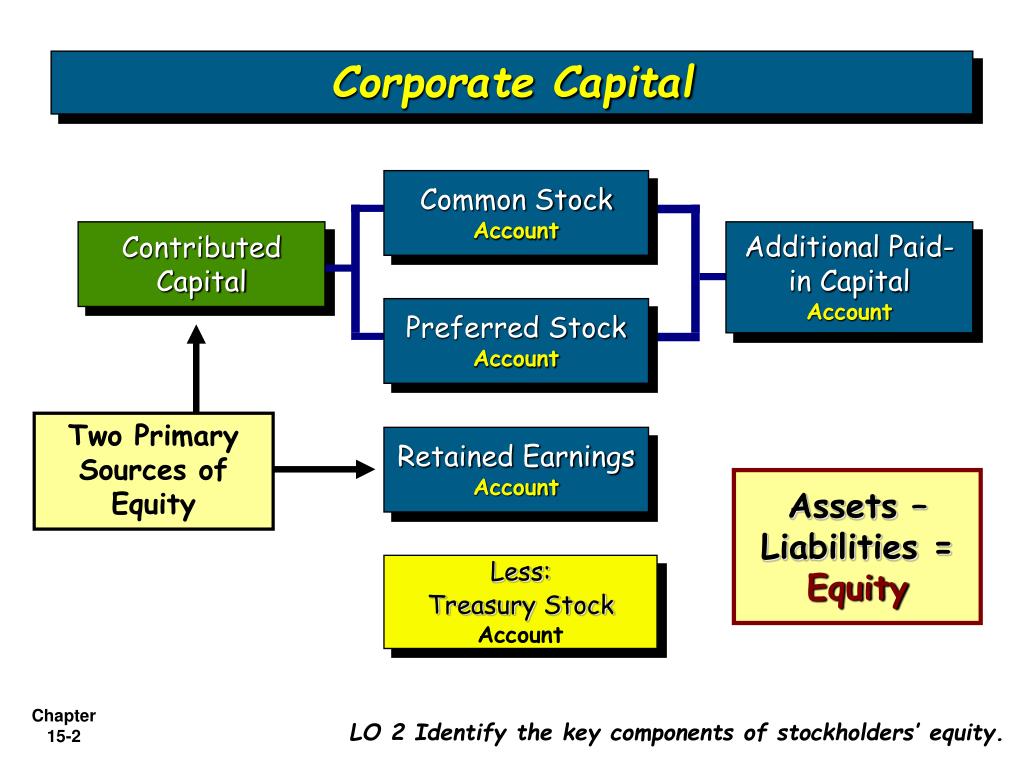
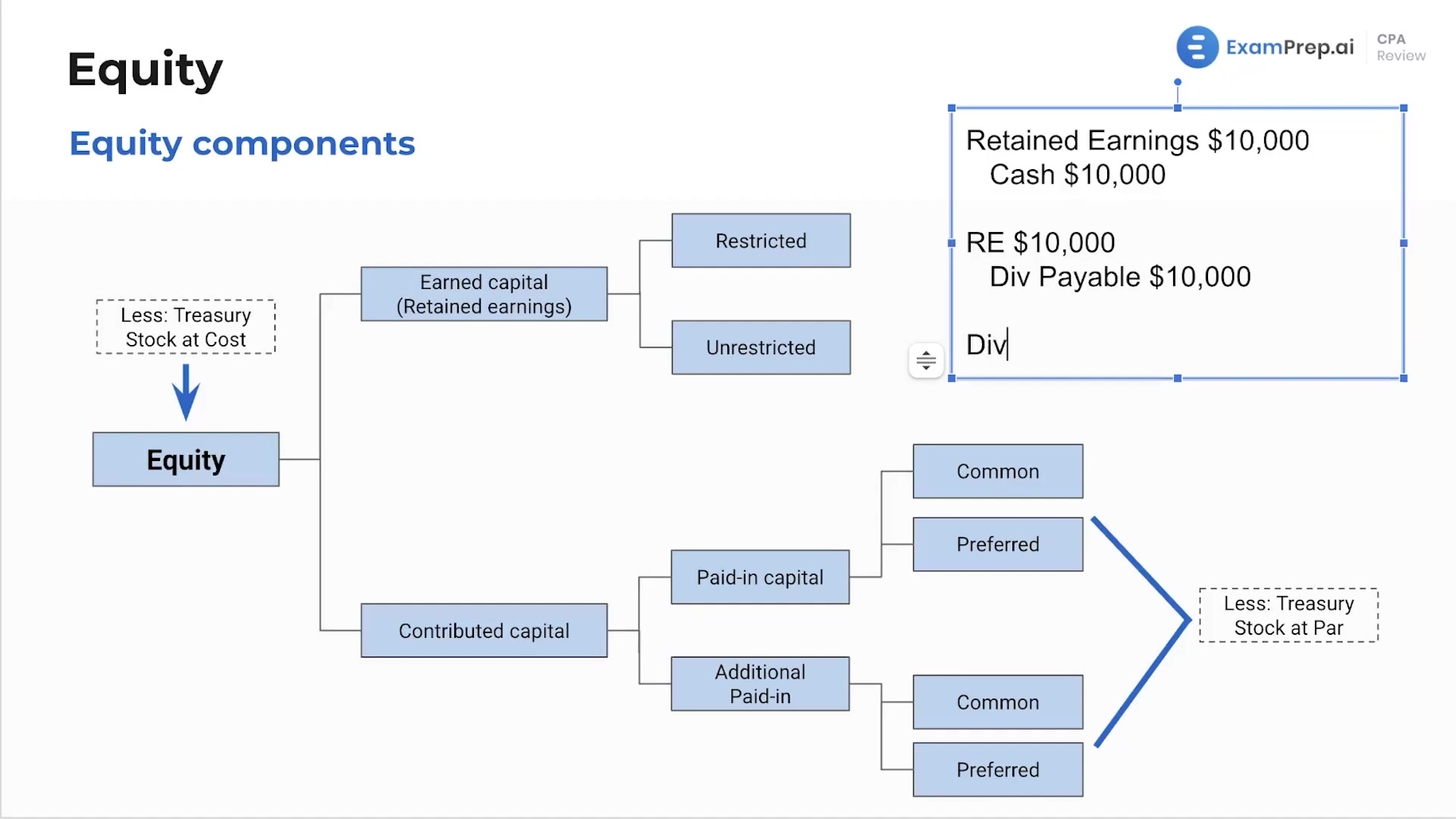
Think of Stockholders' Equity as the net worth of a company from the owners' perspective. It's what would be left over if the company sold all its assets and paid off all its liabilities. It represents the owners' stake in the company. Knowing this helps you understand the financial health of a business. Is it solvent? Does it have a solid foundation? Stockholders' Equity gives you a key piece of that puzzle.
Now, you might think every single financial transaction a company makes will impact this crucial number. But that's where things get interesting. While revenue, expenses, and issuing or repurchasing stock clearly influence Stockholders' Equity, many day-to-day activities don't. This is because these transactions simply shuffle things around within the company's assets, liabilities, or both, without fundamentally altering the overall ownership value. Think of it like rearranging furniture in your house – it might look different, but you haven't increased or decreased the value of your home.
Must Read
So, what are some common examples? Consider a company using cash to buy inventory. They're spending cash (an asset), but they're also gaining inventory (another asset). The total value of their assets remains the same, so Stockholders' Equity is untouched. Similarly, taking out a loan to buy equipment involves an increase in both assets (equipment) and liabilities (the loan). Again, the net effect on Stockholders' Equity is zero. Even paying off a supplier with cash, a common business operation, simply reduces cash and reduces accounts payable (a liability). Neither of these daily transactions have any impact on how the owners’ investments are performing.
Understanding these nuances can be incredibly beneficial. Imagine you're evaluating a company's performance. If you see a significant increase in Stockholders' Equity, you know the company is genuinely creating value, either through profitable operations or strategic financing decisions like issuing stock at a premium. Conversely, a decline could signal financial trouble. But if all you see is a lot of activity with no change to Stockholders' Equity, you know they are just moving money around.

To enjoy understanding this concept more effectively, focus on the big picture. Don't get bogged down in the minutiae of every single transaction. Instead, concentrate on how each transaction affects the accounting equation: Assets = Liabilities + Stockholders' Equity. If a transaction only impacts assets and/or liabilities without changing the overall balance, Stockholders' Equity remains unaffected. Think of it as a seesaw that needs to stay balanced. By focusing on this fundamental principle, you can demystify the world of finance and make more informed decisions.
So, next time you hear about Stockholders' Equity, remember it's not affected by every financial move a company makes. It's a more profound indicator of long-term value creation and a key metric for understanding the true health of a business. Happy investing!