
Standard Copper Tube Sizes In Mm
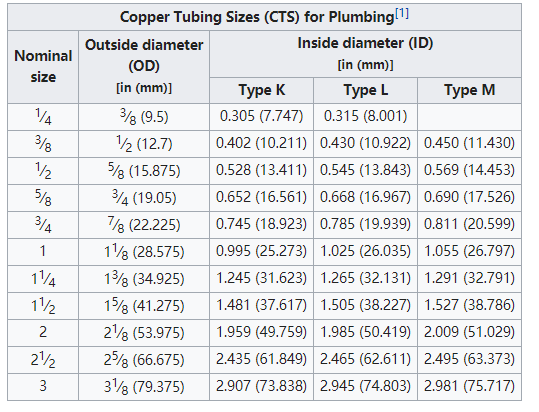
Ever wondered about the secret lives of pipes? Specifically, those shiny copper tubes lurking behind your walls? They're not just randomly sized! There's a method to the madness, and it all revolves around standard copper tube sizes, measured in... wait for it... millimeters!
Okay, maybe millimeters don't immediately scream "thrilling adventure." But stick with me! Understanding these sizes is like cracking a secret code. It unlocks a whole new world of plumbing possibilities. Think of it as becoming a copper-tube whisperer.
Why millimeters, you ask? Well, much of the world uses the metric system. So, while you might be familiar with inches and fractions for some things, millimeters are the go-to for copper tube sizing. It's like learning a new language! Instead of saying "half-inch," you're saying "15mm." Sounds fancy, right?
Must Read
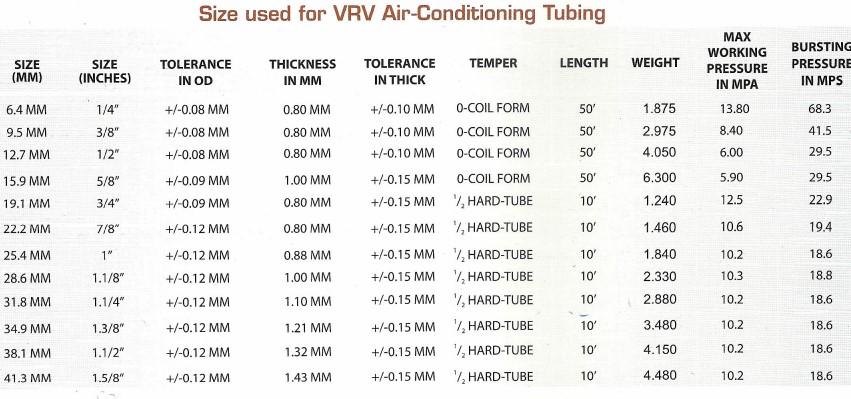
Now, let's get down to the sizes. You'll typically find a few common players. We're talking 15mm, 22mm, and 28mm. These are the rockstars of the copper tube world. 15mm is often used for things like sinks and toilets. 22mm is your go-to for general water supply. And 28mm? That's for bigger jobs, like feeding a whole bathroom or a hot water cylinder.
The Secret Code: What the Numbers REALLY Mean
Here's the exciting part: these numbers aren't just random. They relate to the outside diameter of the tube. Not the inside! This is where it gets a little bit like a magic trick. The wall thickness of the copper affects the inside diameter, which is what actually determines how much water can flow through. So, that 15mm tube? Its inside diameter is slightly less than 15mm because of the copper wall.
It's like those cereal boxes that are only half full! Deceptive, but necessary for a reason (to protect the precious flakes, just like the copper protects the water!).
But wait, there's more! Copper tubes also come in different types, each with a different wall thickness. The most common types are Type K, Type L, and Type M. Think of them as different levels of toughness. Type K is the heavyweight champion, with the thickest walls. Type M is the lightweight, with the thinnest. Type L is somewhere in between, the all-around athlete.
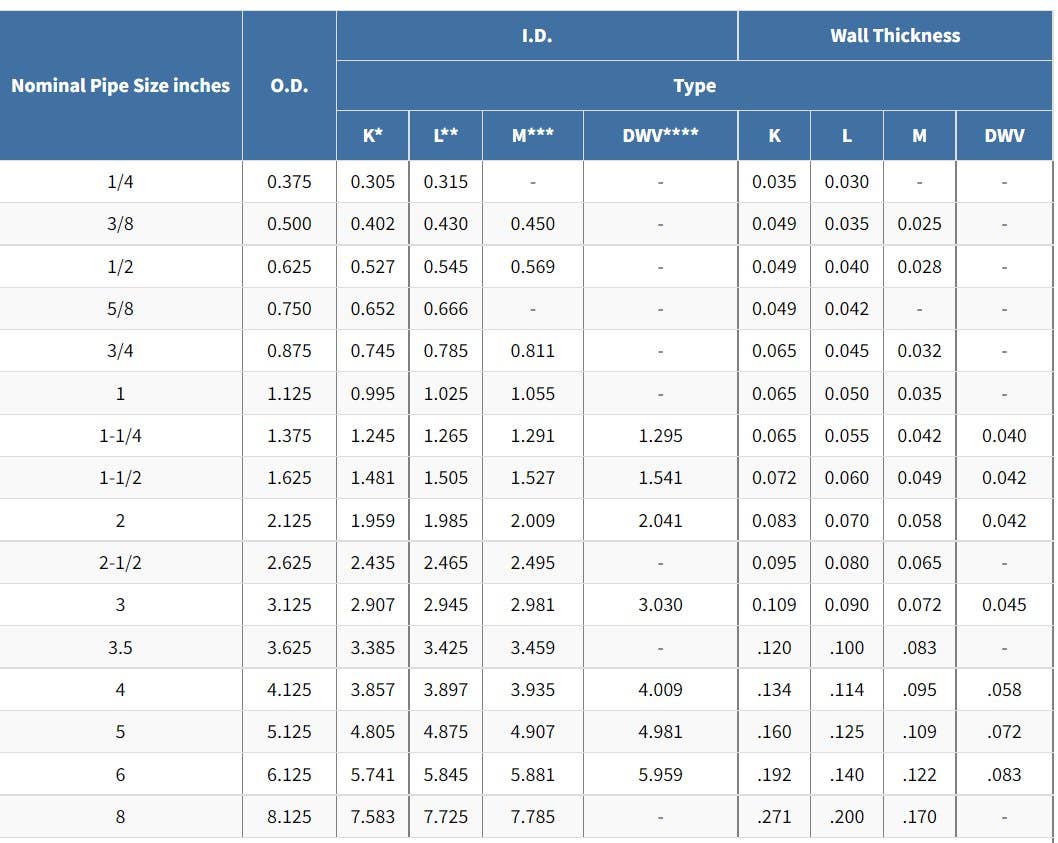
Knowing which type to use is crucial. You wouldn't want to use a lightweight tube for a high-pressure application, would you? That's like sending a chihuahua into a sumo wrestling match!
Why Should You Care? (Besides Being Amazingly Cool)
Okay, so you might not be planning on becoming a plumber anytime soon. But understanding copper tube sizes can actually be super useful. Imagine this: you're renovating your bathroom. You want to replace that old, leaky faucet. Instead of relying solely on a plumber, you can actually understand what size fittings you need. You can even impress your friends with your newfound knowledge! "Oh, you need a 15mm compression fitting? No problem, I got this."

Plus, being informed can save you money. You'll be able to spot if a plumber is trying to overcharge you for materials. Knowledge is power, my friend! And in this case, knowledge is also potentially a smaller plumbing bill.
Think about all the DIY projects you could tackle! Building a custom shower? Installing a new sink? With a little understanding of copper tube sizes, you'll be unstoppable. You'll be the MacGyver of your own home, fixing leaks and building contraptions with copper tubes like a boss.
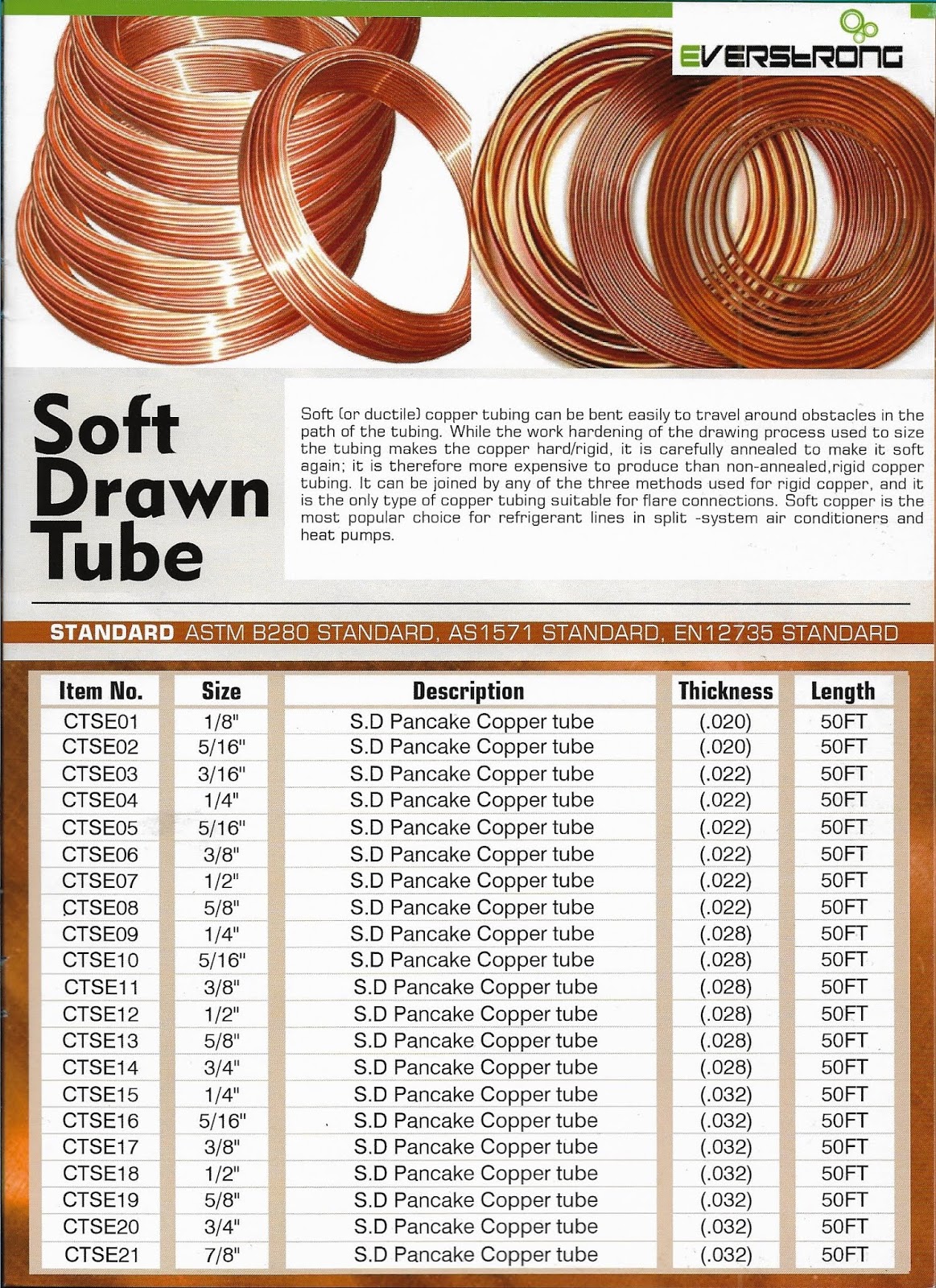
Of course, always remember to consult with a professional if you're unsure about anything. Plumbing can be tricky business, and you don't want to accidentally flood your house. But having a basic understanding of copper tube sizes is a great starting point.
Embrace the Copper Tube Adventure!
So, the next time you see a copper tube, don't just dismiss it as another boring pipe. Remember the secret code, the different types, and the power it holds. Embrace the adventure of understanding standard copper tube sizes in mm. Who knows? You might just discover a hidden talent for plumbing, or at least impress your neighbors with your surprisingly deep knowledge of pipes. Go forth and conquer the copper tube universe! Or, you know, just fix that leaky faucet.
Consider diving deeper! Check out resources from reputable plumbing suppliers.
The Copper Development Associationis a great place to start. Learn about the different applications and the best practices for working with copper. It's surprisingly fascinating stuff!