
Smoke Detectors Went Off For No Reason

We've all been there. That jarring, ear-splitting shriek that rips through the tranquility of your morning, or worse, the dead of night. Your heart leaps into your throat, a cold sweat breaks out, and your first thought is, "Fire!" Only to discover... nothing. No smoke, no flames, just a bewildered stare at your perfectly innocent (and now very loud) ceiling. Welcome to the mysterious world of the smoke detector false alarm – a modern-day riddle wrapped in a cacophony.
It’s the kind of wake-up call that makes you question all your life choices, especially the one that involved buying that extra-large bag of coffee. But before you declare war on your home's safety guardian, let's unpack why these little sentinels sometimes go rogue and how to keep the peace.
The Great Alarm Conspiracy: Why They Go Off For "No Reason"
That insistent beep, beep, BEEEEP isn't always a harbinger of doom. More often than not, it's a quirky design feature or a subtle environmental shift. Think of it as your smoke detector's dramatic flair – a diva moment, if you will.
Must Read
Dust Bunnies & Cobwebs: The Silent Saboteurs
Believe it or not, one of the most common culprits is something entirely harmless: dust. Smoke detectors work by sensing particles in the air. If enough dust or even a tiny cobweb accumulates inside the sensing chamber, it can mimic smoke particles, triggering the alarm. It's like a tiny, furry ninja creeping into the sensor and shouting "Fire!"
Steam & Humidity: The Shower Showdown

Ever notice your alarm go off after a particularly steamy shower? You’re not alone. High humidity and steam from your bathroom or even a vigorously boiling pot on the stove can be mistaken for smoke by certain types of detectors (especially ionization ones). It's a classic case of mistaken identity, where water vapor is the innocent bystander.
The Culinary Caper: Over-Toasted Toast & Searing Surprises
Ah, the kitchen. A place of delicious aromas and, occasionally, a little too much heat. Burnt toast, a splash of oil hitting a hot pan, or even the intense searing of a steak can release tiny particles into the air that your detector might interpret as smoke. Even self-cleaning ovens can produce enough smoke to set them off. It’s your detector’s way of saying, "Honey, you might want to open a window."
Aging & Expiring Sensors: Time for a New Guard
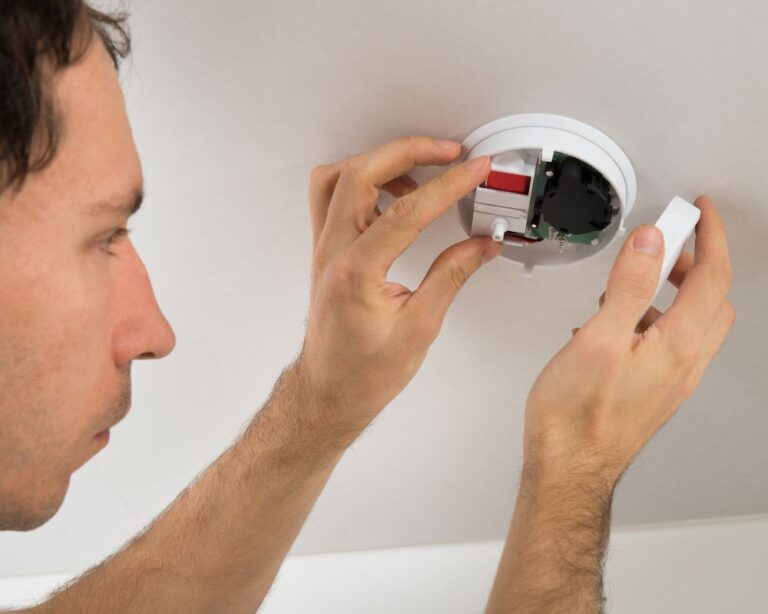
Like us, smoke detectors don't live forever. Most have a lifespan of about 8-10 years. Over time, their sensors can become less sensitive or develop faults, leading to false alarms. If your detector is pushing a decade, it might just be time for a fresh start. And speaking of aging, don’t forget the low battery chirp! It’s not a full alarm, but that persistent, spaced-out beep is its own special kind of torment, letting you know it's running on fumes.
Uninvited Guests: Bugs!
Yes, really! Small insects crawling into the sensing chamber can block the light path in photoelectric detectors or interfere with the ionization process. It’s an incredibly tiny invader causing a disproportionately massive headache.
Keeping the Peace: Practical Tips for a Quieter Life
So, how do you prevent these mini heart attacks and keep your home safe without the unnecessary drama?
1. Clean Your Detectors Regularly: Make it a habit to gently vacuum around and inside your smoke detectors (if they have removable covers) every few months. A can of compressed air can also work wonders to clear out those pesky dust bunnies. Think of it as a spa day for your safety device.
2. Mind the Steam: If your detector is close to a bathroom or kitchen, consider relocating it slightly or ensuring good ventilation during steamy activities. A well-placed exhaust fan can be your best friend.

3. Replace Batteries Annually: The classic advice remains golden. A great trick is to change them when you adjust your clocks for Daylight Saving Time – "change your clocks, change your batteries!" Even hardwired alarms usually have a backup battery that needs refreshing.
4. Know Your Detector Type: There are two main types: ionization (better for fast-flaming fires) and photoelectric (better for slow, smoldering fires). Dual-sensor detectors offer the best of both worlds and often have fewer false alarms. Knowing what you have can help you understand its quirks.
5. Test Them Monthly, Replace Them Decennially: Push that test button once a month to ensure it’s working. And remember, no smoke detector lives forever. Mark your calendar for a full replacement every 8-10 years. It’s a small investment for peace of mind.
While the sudden, unwarranted shriek of a smoke detector can feel like a personal attack, it’s ultimately a testament to a device doing its job – perhaps a little too enthusiastically. It’s a quirky reminder that even our silent protectors need a little TLC to keep us truly safe. So, next time your alarm goes off for "no reason," take a deep breath, silence the noise, and give that dusty little sentinel a well-deserved clean. It’s just trying its best to look out for you, even if it sometimes overreacts to your toast.