
Smoke Detectors Can Malfunction If Placed In Temperatures Above

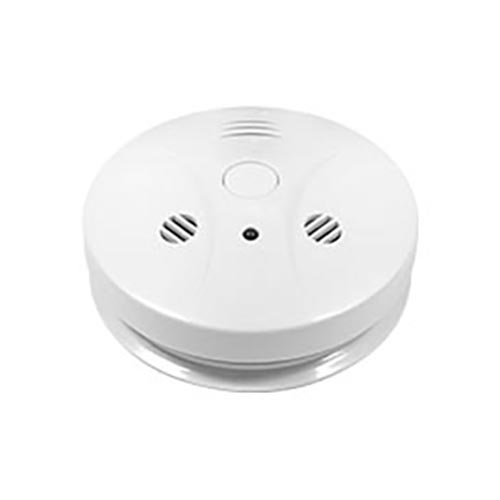
Okay, let's talk about our little unsung heroes, the smoke detectors. You know, those chirpy, sometimes annoying, but ultimately life-saving gadgets chilling on our ceilings. They're like tiny, watchful sentinels, always on alert for trouble. But here's a quirky little secret about them: they're not always as invincible as they seem. In fact, these diligent defenders have a particular weakness, a kryptonite if you will, and it’s something you might not expect: heat.
Yep, you heard that right. While their job is to detect heat's naughty cousin (smoke!), too much heat themselves can send them into a bit of a funk. We're not talking about a roaring blaze, mind you. We're talking about those persistent, simmering high temperatures that might not even faze us.
Imagine your smoke detector as a tiny, highly sensitive robot. It’s got delicate internal bits, little sensors and circuits all wired up to sniff out smoke particles. Now, picture that robot trying to do its job when it’s stuck in a sauna. Not a literal sauna, of course, but an environment that mimics one for its tiny metallic brains.
Must Read
When a smoke detector gets too hot, things can go a little sideways. Think of it like trying to run a marathon in a winter coat during a heatwave. You’re just not going to perform optimally, are you? Your internal systems start to protest, your focus wanes, and you might even just… give up.
And that’s kind of what happens to our valiant little detectors. Their precision mechanisms, those tiny chambers and optical sensors, aren't designed for extreme heat exposure over long periods. It's like asking a highly specialized deep-sea fish to survive in a desert. It just wasn't built for that gig!
The Great Heat Heist: What Happens?
So, what's the big fuss? At temperatures above what they’re designed for, a few things can happen.
Sometimes, they become super sensitive. Imagine a detector that usually waits for a good, solid puff of smoke to start yelling. In high heat, it might just react to a bit of dust, or even just the humidity dancing around. False alarms galore! Your poor unsuspecting toast could become a national emergency. You'd be pulling out your hair thinking your house is haunted by ghost smoke.
Even funnier (or less funny, depending on your perspective), they can become under-sensitive. This is where it gets a bit more serious, but still with a dash of quirky irony. The very thing designed to warn you about danger goes on an early vacation. Its internal components get stressed, warped, or just plain tired. It might miss the smoke entirely! A genuine fire could be brewing, and your trusty guardian might just be silently meditating, blissfully unaware.
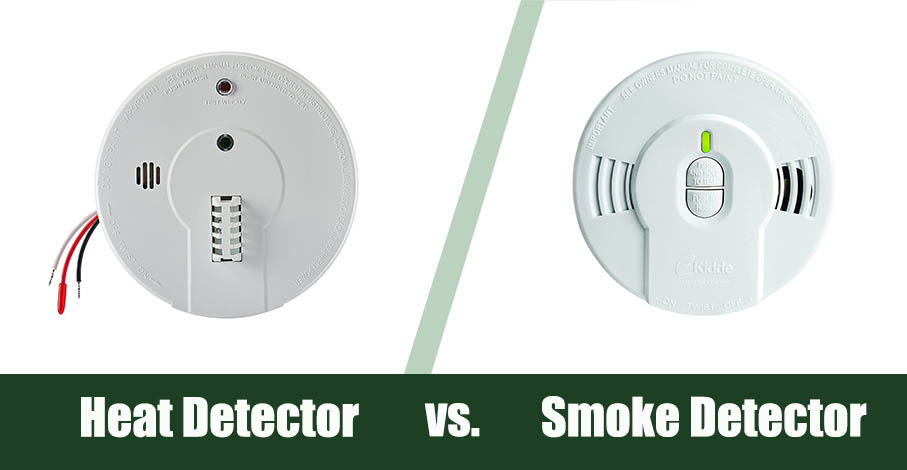
It’s like hiring a bodyguard who, when things get heated, decides to take a nap instead. Not ideal!
Or, in some cases, the heat can actually damage the internal circuitry beyond repair. Poof! Your detector is now just a fancy, white ceiling ornament. It won't alarm falsely, it won't miss smoke – it just won't do anything at all. It's effectively retired without notice, leaving you in the lurch.

Where Do These Heat Traps Hide?
You might be thinking, "But my house isn't a furnace!" And most of it isn't, thankfully. But certain spots can get surprisingly toasty. Think about your attic in summer. Scorching, right? Or an attached garage that bakes in the afternoon sun. Maybe even a utility room with a roaring furnace or a water heater that radiates heat like a miniature sun.
Ever put one right next to a sunny window where the sun beats down all day? Or perhaps directly above a stove where cooking fumes (and heat!) regularly waft upwards? Even placing it too close to an old, incandescent light fixture can be enough to push it past its comfort zone. These are the sneaky culprits!
Manufacturers, bless their cotton socks, design these things to work within a specific temperature range, typically around 40°F to 100°F (4°C to 38°C). Anything consistently outside that, especially on the higher end, and you're entering the Danger Zone for proper operation.

So, What's the Takeaway? Keep It Cool!
It's not about being super serious, but it is kind of fun to know these little quirks, right? Our smoke detectors, for all their bravado, have their limits. They're like highly specialized athletes – amazing at their sport, but you wouldn't ask a swimmer to excel at bobsledding.
So, next time you're thinking of where to place that new smoke detector, give it a little thought. Give it a nice, cozy, but not too hot spot. Away from direct sunlight, away from those intense heat sources, and definitely not in that attic space where summer temperatures can hit mind-boggling highs.
Treat your smoke detector kindly, keep it in its happy temperature zone, and it will keep doing its best to protect you and your loved ones. It’s a small detail, a quirky fact in the grand scheme of home safety, but knowing it makes you a tiny bit smarter, doesn't it? And who doesn't love a bit of quirky, temperature-sensitive gadget knowledge?