
Smoke Detector Still Beeping After Battery Change

Alright, settle in, grab a coffee, because we need to talk about one of life’s most infuriating mysteries. You know that high-pitched, insistent little chirp? The one that could seemingly cut through concrete, wake the dead, and probably also shatter a wine glass if it tried hard enough? Yes, the smoke detector. Specifically, the one that’s still doing its darnedest impression of a dying seagull after you’ve gone through the heroic, ladder-climbing ordeal of changing its battery.
You’ve done everything right, haven’t you? You battled the spring-loaded clip, wrestled the old 9-volt out like a tiny parasite, and triumphantly snapped in a fresh one, still gleaming. You descend from your precarious perch, dust off your hands, and bask in the silence. For about five glorious seconds. Then, CHIRP! Again. And again. It’s like the little sentinel of safety is mocking your very existence. Your sanity starts to unravel, minute by minute.
“But… why?” you scream internally, probably at 3 AM, because that’s when these things always decide to go rogue. You checked the battery! It’s new! It's fresh! It practically smells of unused potential! This, my friends, is where the plot thickens, and where a few surprising truths about these household guardians come to light.
Must Read
The Stubborn Residual Charge & The Secret Reset Button
The most common culprit, the sneaky little devil behind this post-battery-change insurgency, is often something called a residual charge. Think of it like this: your smoke detector, even after you yanked out its power source, might still have a tiny bit of juice left in its internal capacitors. It’s like a cranky toddler who needs a proper "time out" to reset their attitude.
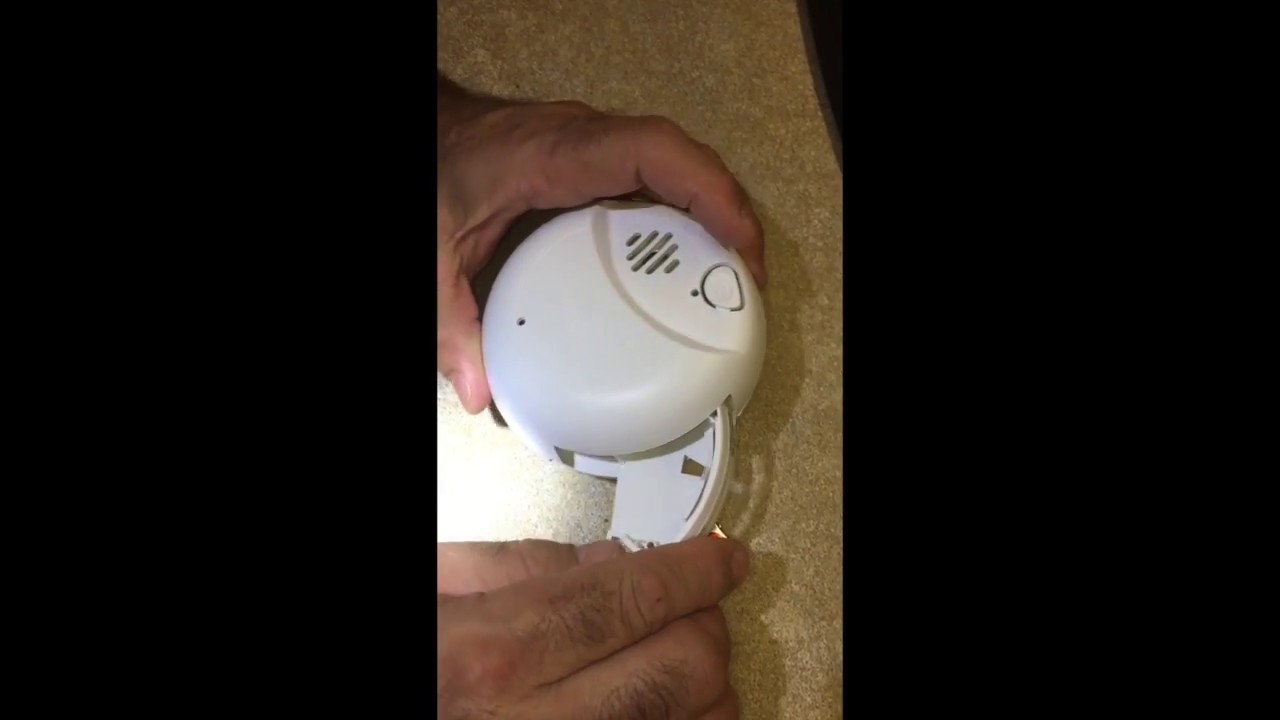
The fix? It’s astonishingly simple, yet often overlooked. After you’ve popped in the new battery, hold down the test button for about 15-20 seconds. Yes, that little button you usually just tap to make it shriek for a second. Holding it down completely drains any residual power, forces the unit to completely reset, and often, miraculously, silences the persistent chirper for good. It's the equivalent of turning your phone off and on again.
Dust Bunnies and Ancient History
Okay, so you tried the reset button trick, and it’s still performing its solo symphony of despair. Don't despair! We've got more tricks. Sometimes, these sensitive little guys just get a bit clogged up. Imagine trying to see clearly through a dusty window – that's what a smoke detector's optical chamber feels like with a build-up of household grime, spiderwebs, or even tiny insect roommates. A quick blast of canned air or a gentle vacuum around the vents can work wonders. Just don't get too aggressive; they're delicate little souls.
And now for a truly eye-opening fact that most people have no clue about: smoke detectors have an expiration date! That's right. Just like milk, but with more beeping. Most units are designed to last about 10 years. After a decade, their sensors become less reliable, less sensitive, and generally less good at their one job. So, that incessant chirping might not be a low battery warning at all, but rather a mournful farewell song, a siren call announcing its own impending retirement.

To check, carefully take the detector down and look on the back. You'll usually find a manufacturing date. If it's pushing a decade or more, that chirp isn't a plea for a new battery; it's a plea for a new detector. Seriously, replace it. It's not just for your sanity, but for your safety.
The Interconnected Conspiracy & The Dud Battery Dilemma
If you live in a newer home, or one with a fully integrated alarm system, you might be dealing with an even more elaborate drama. Some smoke detectors are hardwired and interconnected, meaning if one unit has a low battery (or is faulty), it can trigger a "trouble" signal across the entire network. Finding the culprit in a multi-detector household can feel like a game of high-stakes "hot or cold," often requiring you to check each unit.

And let's not forget the occasional curveball: a dud battery. Yes, even brand-new batteries can sometimes be DOA or have a short lifespan. It's rare, but it happens. Before you declare war on the smoke detector industry, try swapping in a different new battery, just in case.
When All Else Fails: The Final Curtain Call
So, you've tried holding the test button, cleaned out its tiny innards, checked its birth certificate, confirmed your batteries are fresh, and ruled out a neighborhood-wide detector conspiracy. If that wretched chirp persists, it's time to admit defeat. Your smoke detector might simply be faulty. And that's okay! It's a machine, after all. Sometimes machines just decide to throw in the towel prematurely.
Replacing a faulty or expired smoke detector is a small price to pay for peace of mind and, you know, not burning your house down. They're relatively inexpensive, easy to install, and absolutely crucial. So, the next time that little plastic disc decides to torment you after a battery change, remember these troubleshooting tips. You might just save your sanity, a few hours of sleep, and avoid a dramatic monologue to an inanimate object. Go forth, my friends, and enjoy the glorious sound of… well, nothing at all.
