Smoke Detector Keeps Beeping Hard Wired
Ah, the symphony of domestic bliss! Imagine this: you're enjoying a quiet evening, perhaps curled up with a good book or engrossed in your favorite show, when suddenly – chirp! A single, insistent peep pierces the tranquility. It's your smoke detector, and it's decided to contribute its own unique rhythm to your night. For many of us, this is a familiar, if slightly maddening, experience. But what if it's not the simple battery chirp you're used to? What if it's your hard-wired smoke detector, stubbornly beeping away? Welcome to a fascinating little mystery we're about to unravel together!
Smoke detectors, in their core purpose, are our silent guardians. Their main job is incredibly serious: to detect smoke or fire and alert us, giving us precious time to escape. They are literal lifesavers, providing early warning that can make all the difference. Hard-wired smoke detectors, connected directly to your home’s electrical system, offer an extra layer of reassurance. They don’t rely solely on batteries for primary power, meaning fewer worries about them dying silently. Plus, many are interconnected, so if one detects smoke, they all go off, amplifying the alarm throughout your home. This interconnectedness is a huge safety benefit, especially in larger homes or multi-story dwellings.
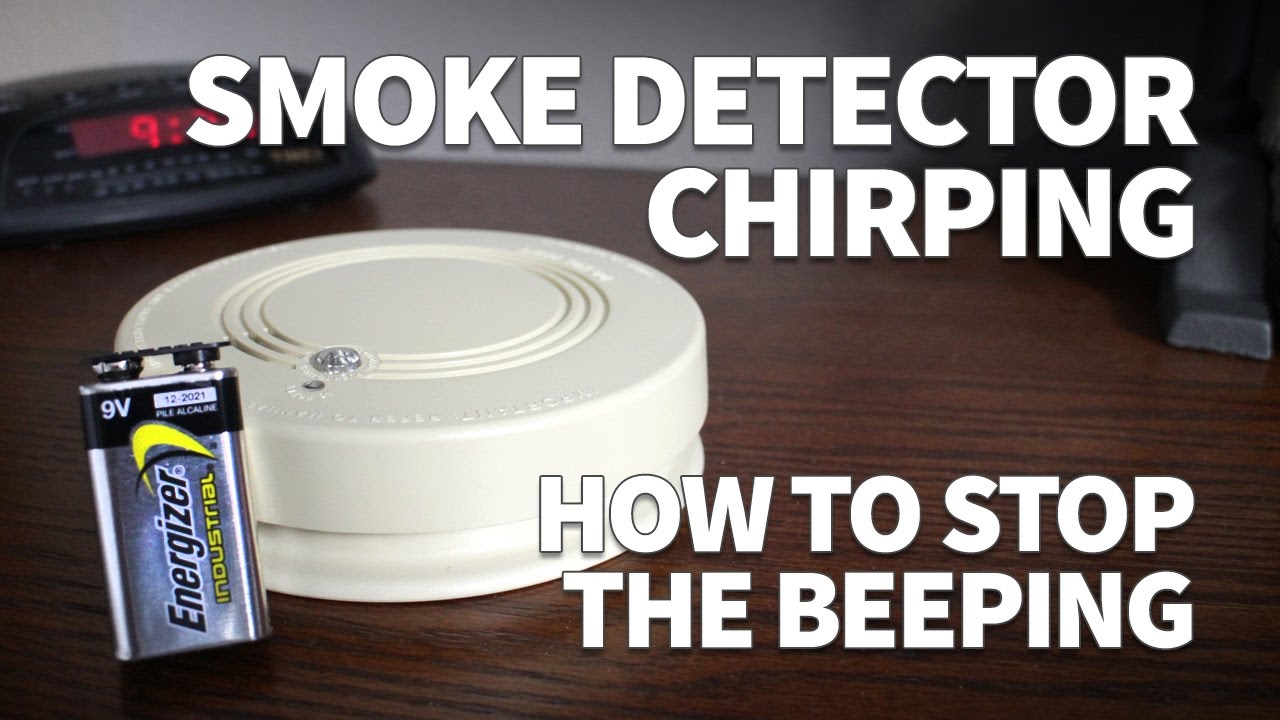
So, when a hard-wired unit starts beeping, it's not just an arbitrary nuisance; it's often trying to tell you something important. It's like a sophisticated household messenger. In daily life, understanding these signals can save you a headache and ensure your home remains safe. For instance, sometimes the culprit is simply a low backup battery. Yes, even hard-wired units typically have a 9-volt or AA battery backup to keep them operational during power outages. Or, perhaps it's reached its end-of-life expiration. Smoke detectors aren't forever; their sensors degrade over time, and most have a lifespan of about 10 years, after which they start chirping as a reminder to replace them. It’s their way of saying, "My watch has ended!"
Must Read
Other curious reasons for a hard-wired unit to beep might include a temporary power surge or outage, which can sometimes "confuse" the unit, causing it to chirp once power is restored. Dust and debris are also common culprits; sensors can become clogged, falsely detecting particles as smoke. Humidity from a nearby shower or cooking fumes can also trigger a temporary, albeit annoying, alert. Sometimes, if one interconnected unit is faulty or has a low battery, it can cause the entire system to chirp, making the detective work a bit more challenging.
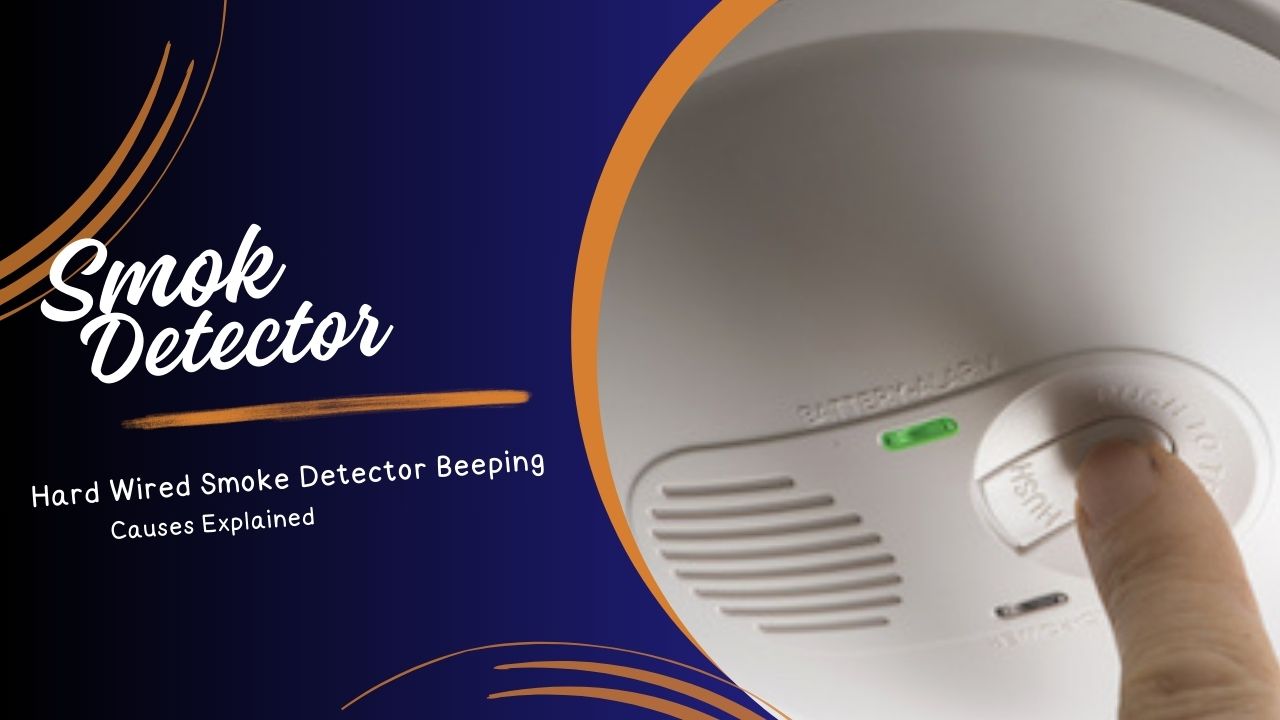
Now for some practical tips to explore this beeping enigma. First, always make sure there’s no actual fire! Do a quick check of your home. Once safety is confirmed, the first thing to check is the backup battery. Twist the unit off its base, open the battery compartment, and replace it. Make sure you use the correct type and install it properly. If that doesn’t work, try a gentle cleaning. Use a soft brush or the brush attachment of your vacuum cleaner to carefully remove any dust or cobwebs from the vents and sensor area. Next, locate your home’s electrical panel and temporarily turn off the circuit breaker that powers your smoke detectors. Wait for about 15 minutes, then turn it back on. This can often reset a "confused" unit. Finally, check the manufacturing date, usually printed on the back or side. If it's older than 10 years, it's time for a replacement. If all else fails, especially if it's an interconnected system and you can't pinpoint the issue, it might be time to call a qualified electrician to investigate further. A little curiosity and these simple steps can often solve the mystery and restore peace and quiet to your home.