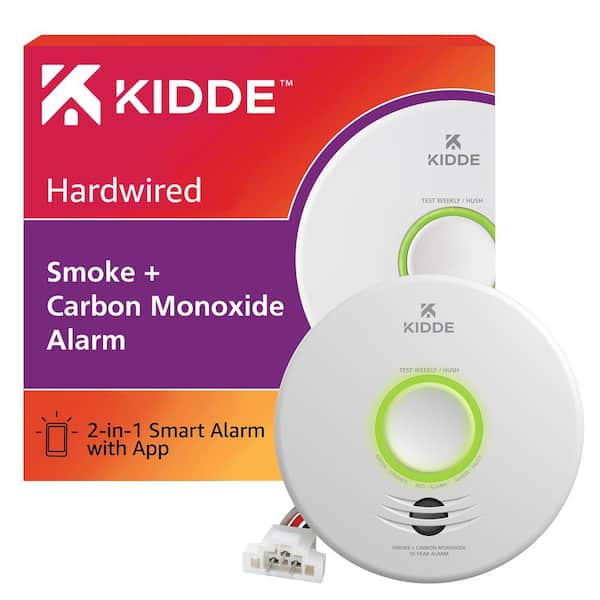
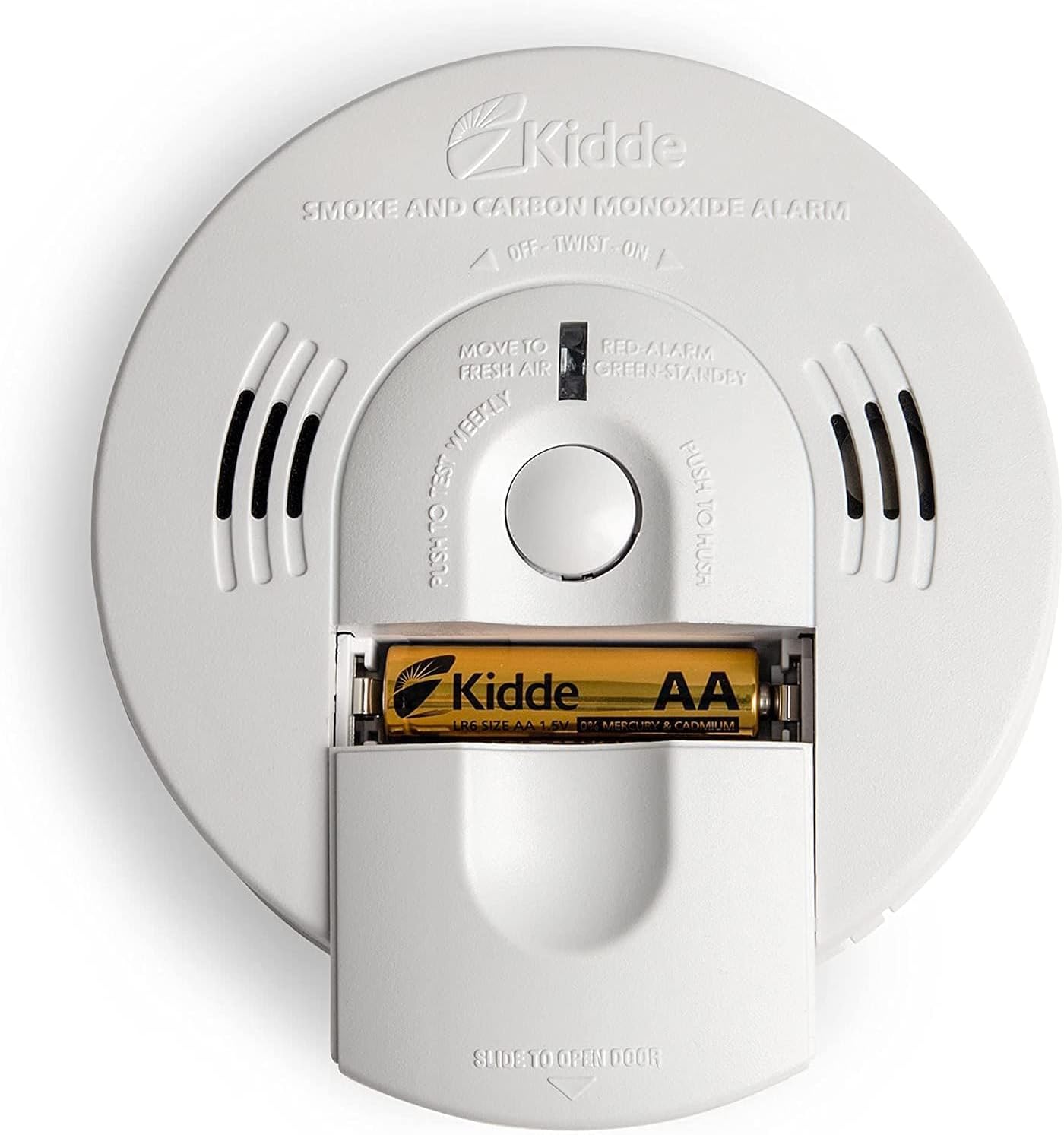
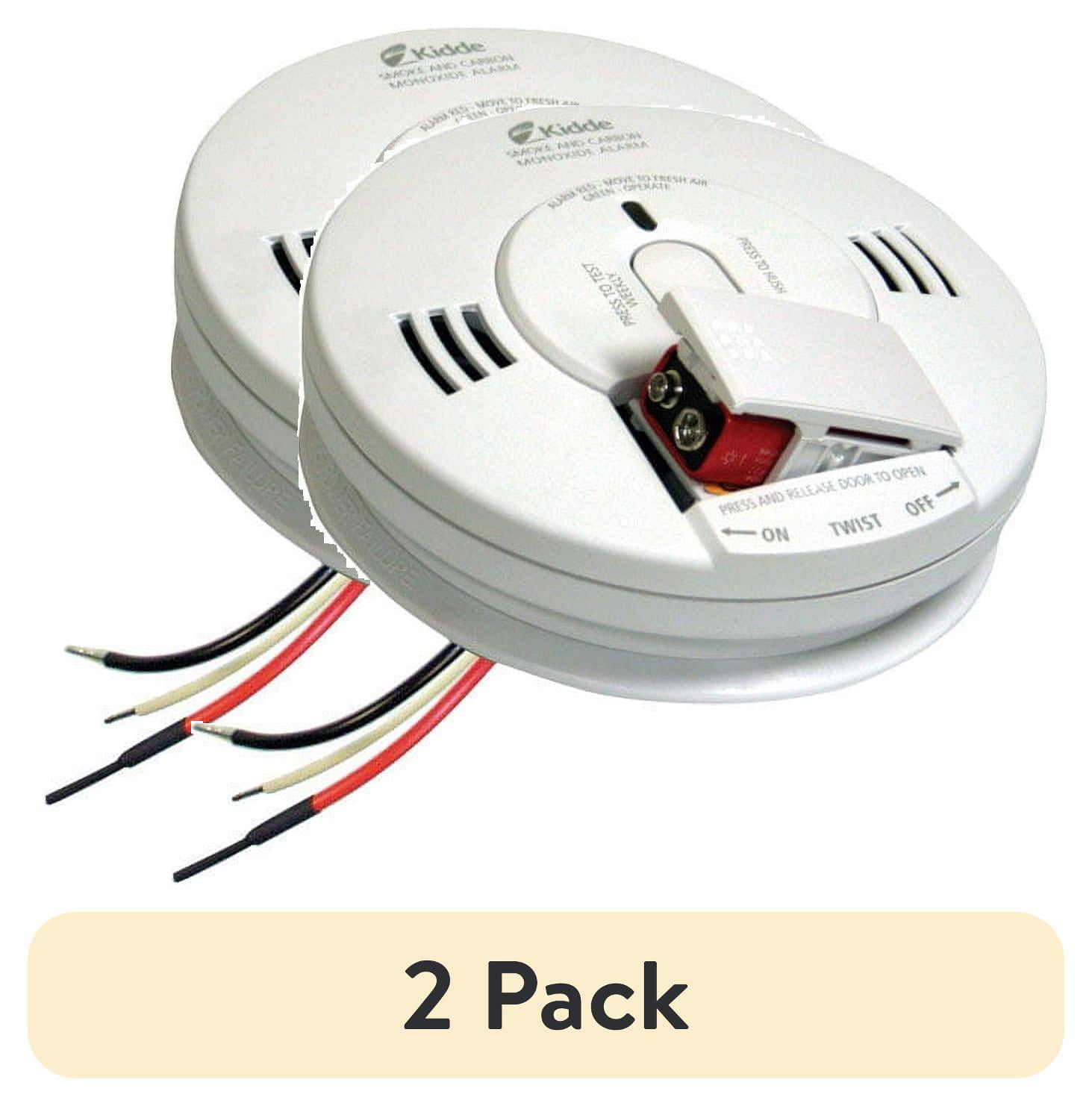
Smoke And Carbon Monoxide Detector Wired
Ever thought about what truly brings peace of mind to your home? Beyond comfy sofas and high-speed internet, there's a silent, ever-vigilant guardian working tirelessly in the background: your wired smoke and carbon monoxide detector system. While "enjoying" a safety device might sound a bit odd, what we truly enjoy is the profound sense of security it provides, allowing us to sleep soundly, knowing our homes and loved ones are protected by an unseen watchful eye. It’s not just a gadget; it's an investment in tranquility, a foundation for all the other joys life brings within your walls.
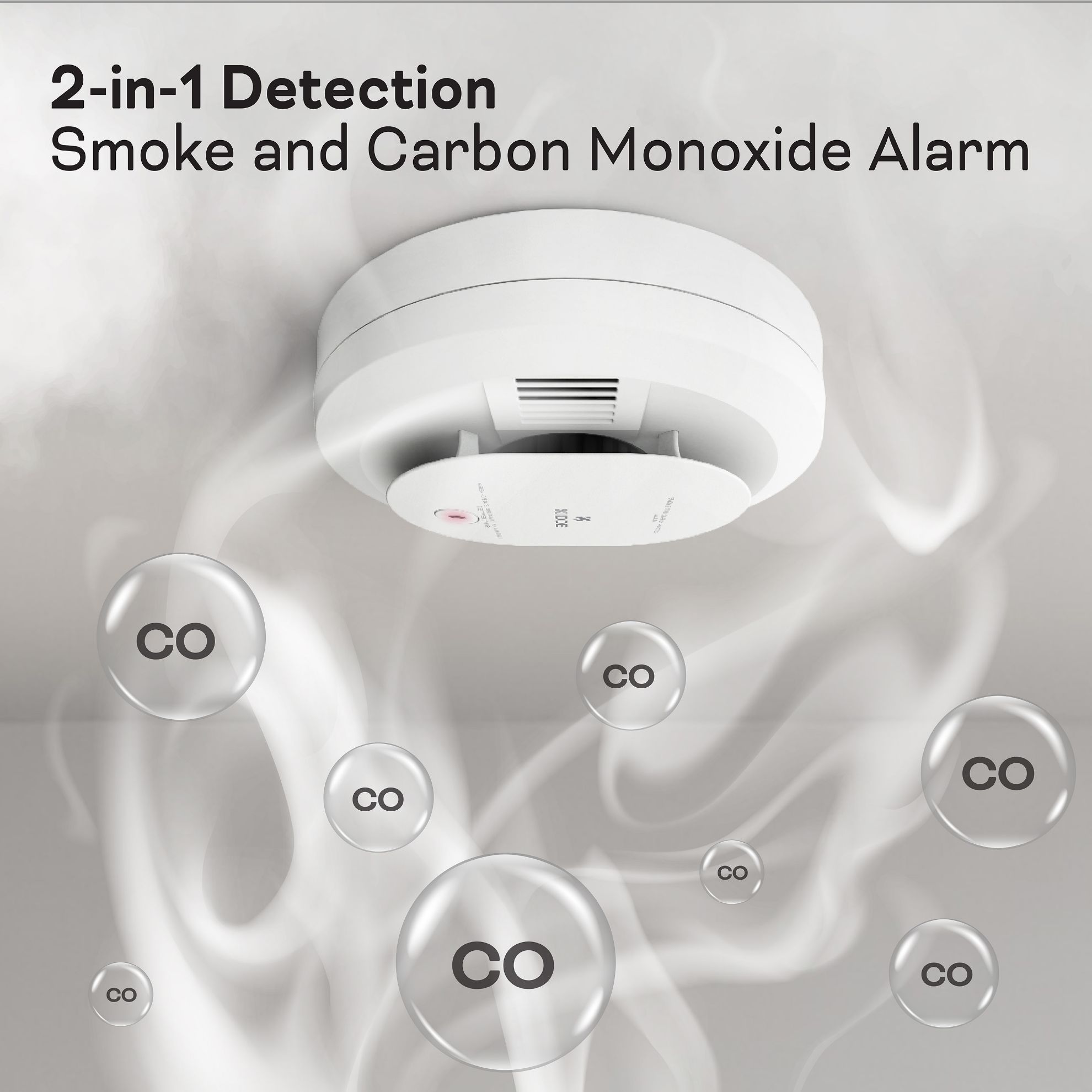
The primary benefit of these crucial devices is their ability to provide early warning. Smoke detectors shriek into action at the first whiff of danger, giving you precious minutes to escape a developing fire. Carbon monoxide (CO) detectors, on the other hand, are literal lifesavers, detecting an odorless, colorless, and highly toxic gas often referred to as the "silent killer." Unlike their battery-operated cousins, wired detectors are connected directly to your home's electrical system, meaning they’re always powered and, crucially, often interconnected. This interconnection ensures that if one detector senses a threat, all detectors throughout your home sound the alarm simultaneously, drastically improving your chances of early detection and safe evacuation, especially from a remote part of the house.
These essential protectors are found in virtually every modern home and are a mandatory feature in new construction and renovated properties across many regions. You'll typically find smoke detectors strategically placed on every level of your home, inside and outside sleeping areas. CO detectors are often located near fuel-burning appliances like furnaces, water heaters, and fireplaces, as well as in hallways near bedrooms. They stand as a testament to building codes and safety standards, ensuring that our living spaces are not just comfortable but also inherently safe. They are the quiet sentinels, diligently monitoring the air for unseen threats, working around the clock without needing a coffee break.
Must Read
To ensure your wired detectors provide maximum peace of mind, there are a few practical tips to keep in mind. First, test them regularly – at least once a month – by pressing the test button. This confirms they're operational. Second, give them a gentle vacuum once a year to clear dust that might impede their sensors. Remember, even wired units usually have a battery backup, so check those batteries annually (or when the low battery chirp begins). Most detectors have a lifespan of about 10 years; after that, the sensors degrade, so replace them promptly when recommended by the manufacturer. Finally, understand the different alarm sounds: a continuous high-pitched shriek usually indicates smoke, while a distinct pattern of beeps (often four) signifies carbon monoxide. Knowing the difference can save lives. Never disable them, even for a "false" alarm – investigate the cause and ensure your protectors are always on duty!