
Smoke Alarms Going Off For No Reason

You know the sound. That sudden, piercing shriek that rips through the quiet of your home, sending your heart into your throat and your pets scattering under the sofa. It’s the smoke alarm! You leap up, scan frantically for smoke, sniff the air like a bloodhound, and then… nothing. Absolutely nothing. Just the insistent, earsplitting wail of a sensor convinced your house is about to spontaneously combust, usually because you dared to make toast. Again.
Ah, the classic “smoke alarm going off for no reason.” It’s a common household drama, right up there with the mysterious disappearance of socks in the laundry and the never-ending quest for a matching Tupperware lid. We’ve all been there, standing on a chair with a dishtowel, frantically waving at the ceiling-mounted culprit, muttering incantations to make it stop. But before you declare war on your temperamental little guardian, let’s unpack why these digital drama queens act out and, more importantly, why we should still give them a little love.
When the Alarm Goes Wild (But There's No Fire!)
So, why does your smoke alarm throw a tantrum when there’s no actual smoke? Turns out, these sensitive gadgets have a few quirks. Think of them like that overly dramatic friend who reacts to everything with a theatrical flourish. Here are the usual suspects:
Must Read
The Culinary Catastrophe (or just breakfast): This is probably the number one offender. Burnt toast is practically a smoke alarm’s sworn enemy. But it’s not just actual burning; even heavy steam from a steamy shower or a vigorously boiling pot of pasta can trick some optical alarms into thinking there’s a problem. They’re just doing their job, albeit a little enthusiastically. It’s like they’re saying, "Whoa, that's a lot of 'smoke' from your perfectly poached egg!"
Dust Bunnies Throwing a Party: Yep, those tiny little fluff balls can be quite the mischief-makers. Over time, dust, cobwebs, and even tiny insects can accumulate inside the alarm’s sensing chamber. When enough of these microscopic party-goers gather, they can interfere with the sensor’s ability to "see" clearly, leading to a false alarm. It’s like trying to see through a foggy window; sometimes the alarm just gets confused.
The Midnight Chirper (Low Battery Blues): This one isn't usually a full-blown alarm, but it's arguably more annoying. That intermittent, high-pitched chirp, chirp, chirp that only seems to happen in the dead of night? That’s your alarm begging for a fresh battery. It’s its polite (or not-so-polite) way of saying, "My energy levels are low, human! I need a snack!" Don't ignore it; it's a plea for survival, not just an attempt to ruin your sleep.

Aging Gracefully (or not): Like us, smoke alarms don’t live forever. Most have a lifespan of about 8-10 years. As they get older, their internal components can degrade, making them more prone to false alarms. Think of it as an elderly relative getting a bit forgetful or grumpy; sometimes they just need to be retired to greener pastures.
Why Your Annoying Friend Is Actually Your Best Buddy
Okay, so they can be frustrating, especially when you're half-asleep or trying to enjoy a quiet evening. But here’s the thing: those false alarms, while irritating, are a sign that your system is working. And that’s a very good thing.
They’re Your Home's Early Warning System: Remember the story of The Boy Who Cried Wolf? We don’t want to be that boy, ignoring the real danger because of too many false alarms. Your smoke alarm is designed to detect smoke or fire in its earliest stages, giving you and your family precious minutes to escape. Those minutes can be the difference between a close call and a tragedy.
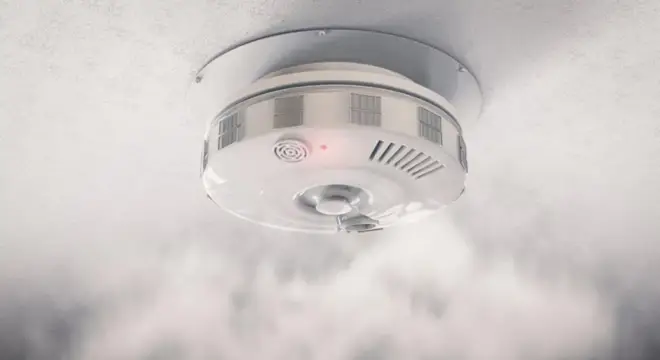
Every False Alarm is a Mini-Drill: Think of it as an impromptu fire drill. You hear the alarm, you react, you check. It keeps you alert and aware of its presence. It reminds you where the alarm is, how it sounds, and where the broom handle (or step stool) is for silencing it. It’s practice, even if the "fire" was just your ambitious attempt at a soufflé.
They’re a Cheap Life Insurance Policy: For a relatively small investment and a little bit of maintenance, smoke alarms offer invaluable protection. They don’t care if you're a gourmet chef or a microwave maestro; they’re just there to watch your back, 24/7. They are literally designed to save lives. That’s a pretty important job for such a small, sometimes noisy, device.
Taming the Temperamental Guardian: Easy Tips
So, how can you keep your smoke alarm happy and minimize those unwarranted shrieks without compromising safety? A little routine maintenance goes a long way!

Give 'Em a Dusting: Once a month, give your alarms a quick wipe-down with a damp cloth and vacuum around their vents. It’s like spring cleaning for their tiny sensors!
Change Batteries Annually: Make it a habit. Pick a memorable day, like when you change your clocks for daylight saving time. It's a small task with a huge impact. No more midnight chirping!
Know Their Age: Check the manufacture date on the back of your alarms. If they’re older than 10 years, it’s time for a replacement. They’ve done their duty; let them retire gracefully.
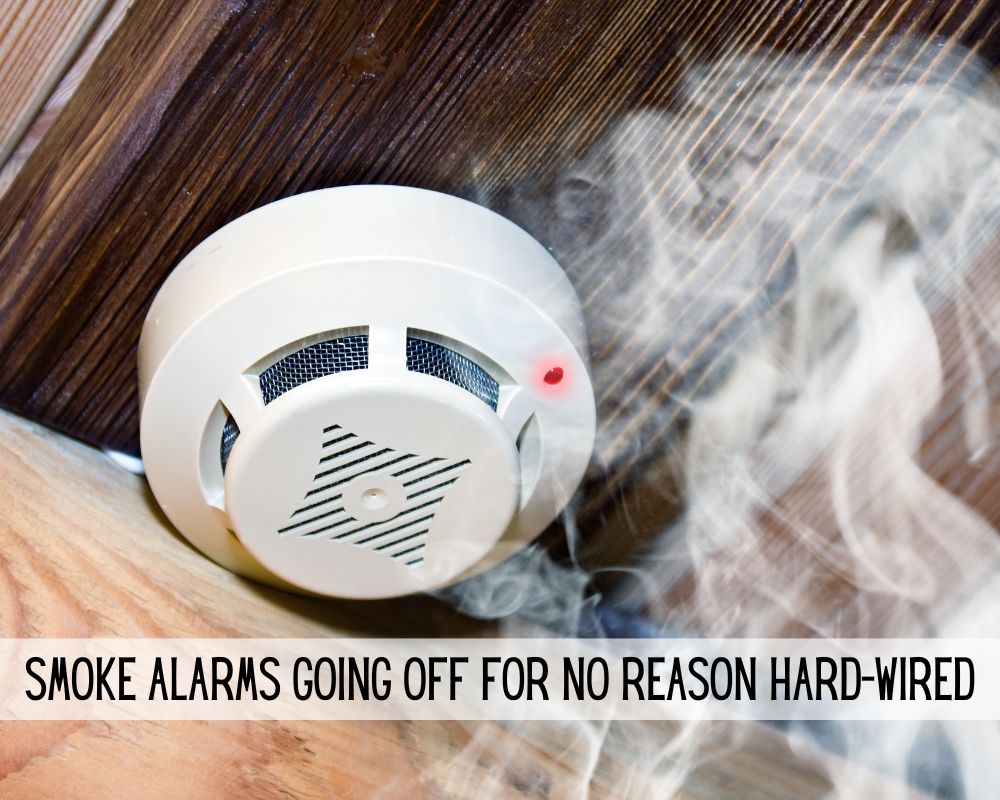
Strategic Placement: Try to keep alarms away from steamy bathrooms and overly smoky kitchens. There are even specific "kitchen" alarms designed to be less sensitive to cooking fumes while still detecting real fires.
So, What's the Takeaway?
While a smoke alarm going off for "no reason" can be an incredibly jarring and annoying experience, it’s often a sign of a perfectly functional, albeit overzealous, safety device. Instead of seeing it as a nuisance, try to view it as a little superhero that's sometimes a bit too eager to save the day.
A little patience, a dash of understanding, and some simple maintenance can ensure your smoke alarms remain your vigilant protectors, ready to sound the alarm when it truly matters. So, next time your toast sets off the alarm, take a deep breath, silence the noise, and perhaps give a silent nod of thanks to your home’s noisy but oh-so-important guardian.