
Smoke Alarm Keeps Going Off No Smoke
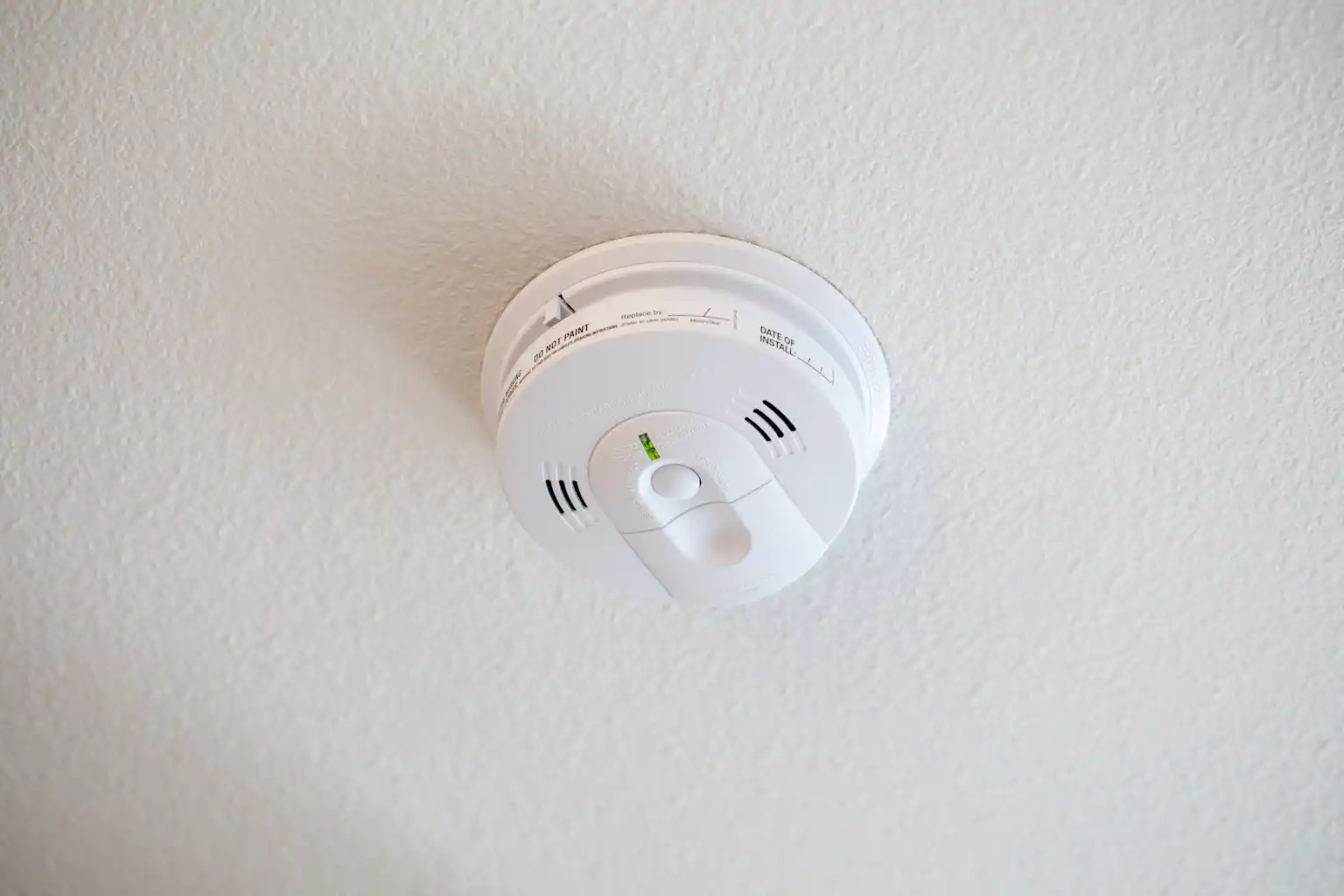
Alright, settle in, grab your coffee. We need to talk about one of life's most infuriating, ear-splitting, and utterly baffling mysteries: the smoke alarm that just will. Not. Quit. Beeping. And there's no smoke. None! Zip! Zero! You're not even boiling water, for crying out loud!
We've all been there, right? It's 3 AM. You're deep in dreamland, perhaps finally winning that lottery, when suddenly – BEEP! BEEP! BEEP! Your heart does a triple somersault, you spring out of bed like a startled cat, ready to battle the inferno... only to find your living room is perfectly normal. No flames, no smouldering toaster, not even a burnt offering to the coffee gods. Just that relentless, high-pitched shriek. It's enough to make you want to rip the thing right off the ceiling and throw it into the abyss.
The Case of the Paranoid Protector
So, what gives? Is your smoke alarm just a drama queen? Does it get lonely and decide to throw a party of one? While it might feel that way when you're fumbling for a broom handle to silence the beast, there are usually some pretty logical (and sometimes hilariously trivial) explanations for its hypersensitivity.
Must Read
First, a quick lowdown: most residential smoke alarms are either ionization or photoelectric. Ionization alarms are great at detecting fast-flaming fires (think grease fires). Photoelectric alarms are better at sniffing out slow, smouldering fires (like an electrical short). Many newer ones are dual-sensor. The point is, they're designed to be incredibly sensitive to tiny particles in the air.
The Usual Suspects (and Their Alibis)
Let's round up the common culprits behind these ear-splitting false alarms:
1. The Steam Monster: Ah, steam. The silent, invisible villain. Did you just take a ridiculously hot shower? Boil a massive pot of pasta? Use a humidifier? Steam can look a lot like smoke to your alarm, especially if it's an ionization type and you've installed it too close to a bathroom or kitchen. It's basically saying, "Hey! What's this weird fog? Is it FIRE? I'm not taking any chances!"
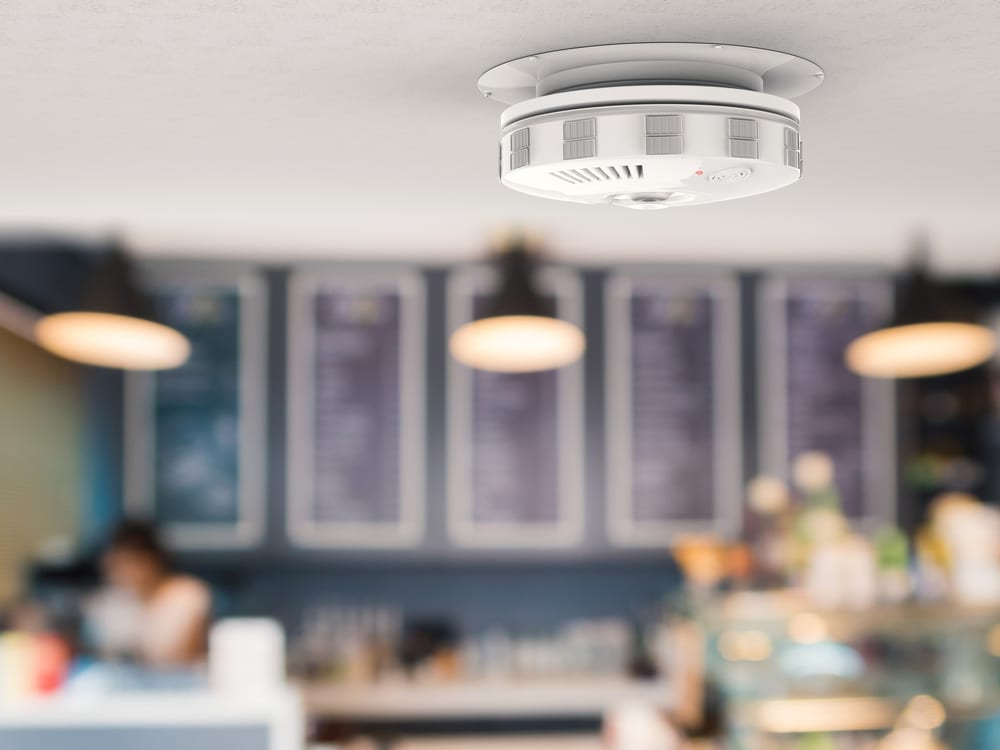
2. The Dust Bunny Invasion: Yep, your alarm can get dusty. Over time, little motes of dust, cobwebs (or even a tiny spider, more on that in a sec!), can accumulate inside the sensor chamber. This build-up can block the sensor or scatter the light beam, tricking the alarm into thinking there are smoke particles present. It's like having a perpetually dusty pair of glasses, but for fire detection.
3. The Culinary Calamity (Even When There Isn't One): You're just making toast. Lightly toasted, mind you. Or maybe frying up some bacon. Even if you don't see smoke, tiny, invisible cooking particles can float through the air and set off a sensitive alarm. Especially if it's positioned right above your stovetop. It’s not judging your cooking skills, just being extra cautious.
4. The Chirping Battery Blues: This isn't usually a full-blown siren, but rather that maddening, intermittent CHIRP! every 30-60 seconds. It means your battery is on its last legs. Change it! Seriously, just change it. It's the simplest fix, and ignoring it is a one-way ticket to sleep deprivation and potential actual danger.

5. The Creepy-Crawly Factor: Here's a surprising one! Sometimes, a small insect, like a spider or a fruit fly, decides the inside of your smoke alarm is a cozy new home. Its tiny body can interfere with the sensor, leading to false alarms. Imagine being woken up by a fire alarm because a spider was having a nap party. The indignity!
6. The Senior Citizen Alarm: Did you know smoke alarms have an expiry date? Most have a lifespan of about 8-10 years. After that, their sensors can degrade, becoming less reliable or, you guessed it, overly sensitive and prone to false alarms. Check the manufacturing date on the back! If it's older than your youngest child, it's time for a replacement.
So, What Do You Do When It Goes Rogue?
First, and this is crucial, always assume it's a real fire first. Do a quick visual check. No smoke? Okay, deep breath.

1. Silence the Beast: Hit that "hush" or "test" button if you can reach it. Some models have a remote control option, which is just pure genius.
2. Give It a Good Clean: Power down the alarm (if hardwired), or remove the battery. Then, gently vacuum around the vents and sensor chamber with a soft brush attachment. A quick blast of compressed air can also help, but be careful not to push dust deeper inside.
3. Relocate or Upgrade: If steam or cooking particles are the constant problem, consider moving the alarm a bit further away from the source or upgrading to a model specifically designed for kitchen areas (which often feature "hush" buttons or different sensor types less prone to cooking nuisance alarms).
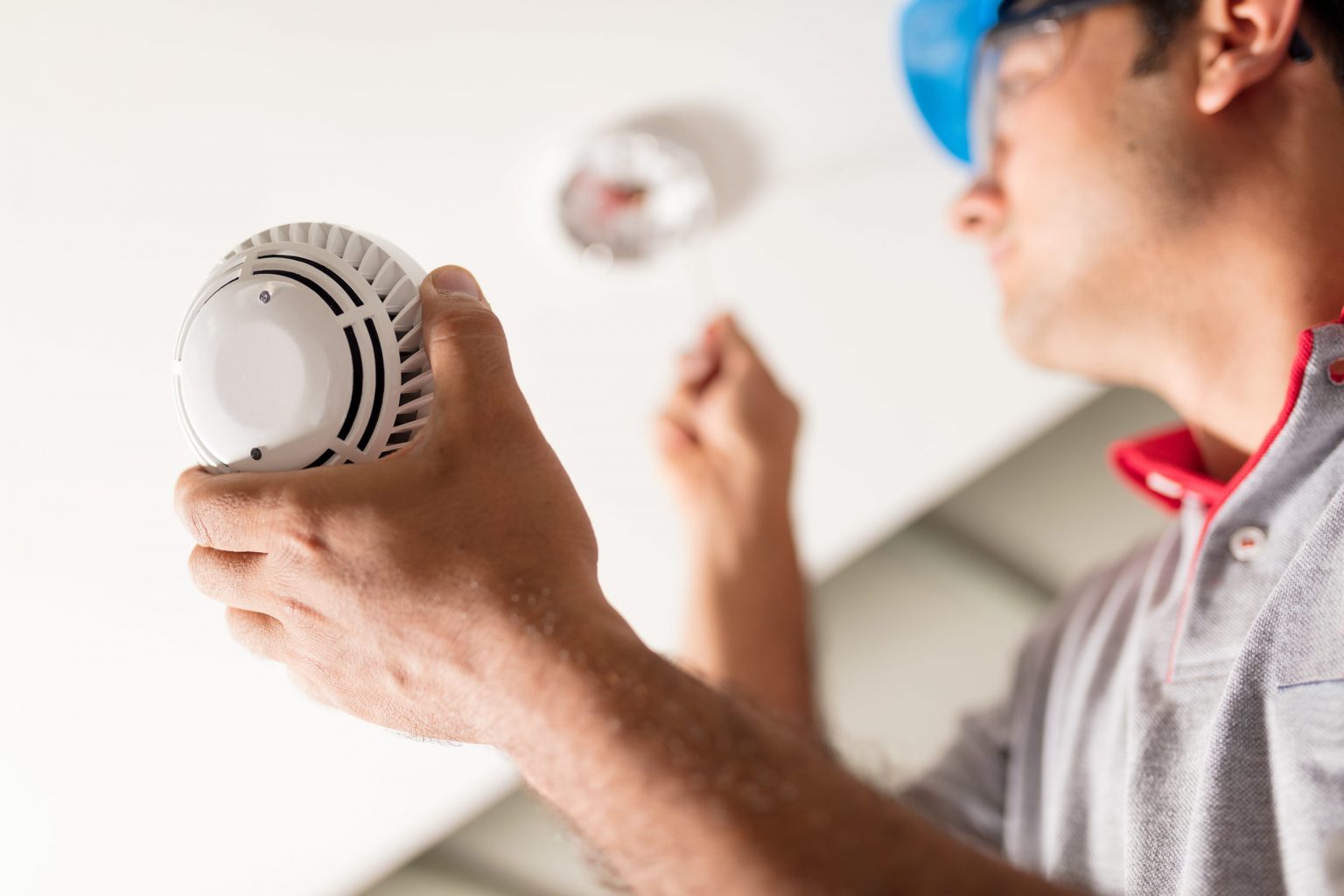
4. Change Those Batteries: Even if it's hardwired, many have a backup battery. Change it at least once a year. A good reminder is when you change your clocks for daylight saving.
5. Check the Date: As mentioned, if it's over 10 years old, it's time for a new one. Think of it as a small investment in your peace of mind (and your neighbours' sleep).
While a constantly blaring smoke alarm without a fire might be one of life's most annoying inconveniences, it's still a vital piece of safety equipment. Treat its false alarms as a quirky reminder that it's still working and protecting you, even if it has a flair for the dramatic. Now, if you'll excuse me, I think I hear a faint chirp coming from the kitchen...