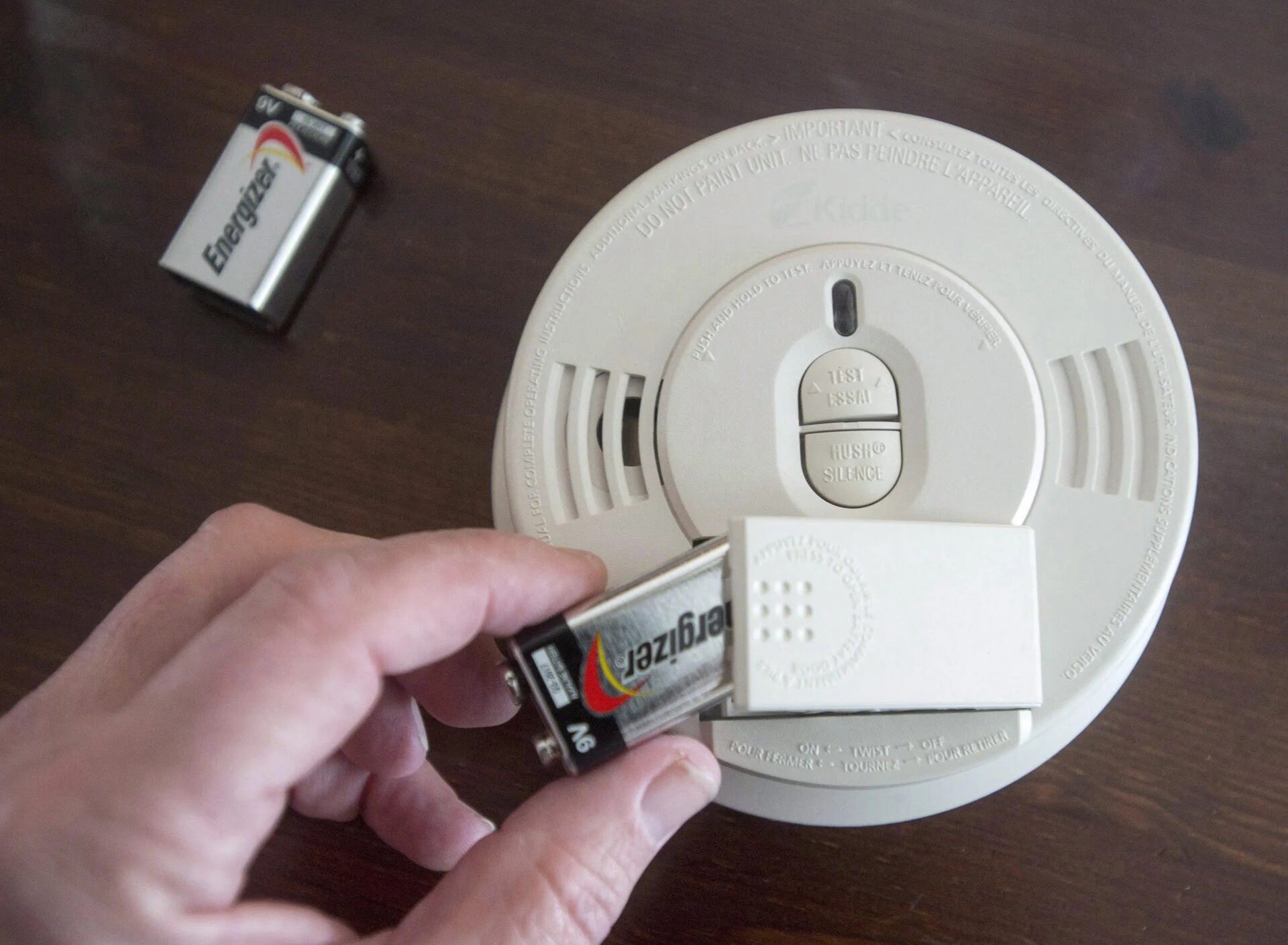
Smoke Alarm Chirps After Changing Battery

Ah, the sweet sound of silence. It’s a precious commodity in our busy lives, isn’t it? You’ve just completed a minor household chore, feeling smug and accomplished. You wrestled with the ladder, perhaps uttered a few choice words while fumbling with the tiny battery compartment, but you did it! The smoke alarm battery is changed. You step back, chest puffed out, ready to enjoy your victory… and then it happens. Chirp. Chirp. Chirp.
Your blood pressure rises a notch. Didn’t you just fix this? The rogue chirp, the tiny but mighty disruption, continues its relentless rhythm. It’s the kind of sound that can drive you absolutely bonkers, especially when you thought you’d silenced it for good. But fear not, fellow homeowner! This all-too-common domestic mystery usually has a perfectly logical, and easily fixable, explanation.
Why the Persistent Chirp? Unmasking the Culprit
It feels counterintuitive, right? You put in a fresh battery, and the darn thing still complains. What gives? Turns out, our trusty smoke alarms are a little more particular than a simple swap-and-go. Think of them as tiny, over-cautious sentinels for your home, sometimes needing a gentle nudge to realize all is well.
Must Read
The main reason for a post-battery chirp often boils down to a few key culprits:
- It hasn't properly reset. This is the big one.
- There's residual charge. A lingering memory, if you will.
- The "new" battery isn't quite up to snuff. Even new ones can be duds.
- Dust and debris. The eternal foe of all household electronics.
- It’s simply time for a new alarm. The harsh truth.
The Zen of the Reset: Your Practical Playbook
Let's tackle these one by one, because armed with a little knowledge, you can conquer that chirp and reclaim your peace.
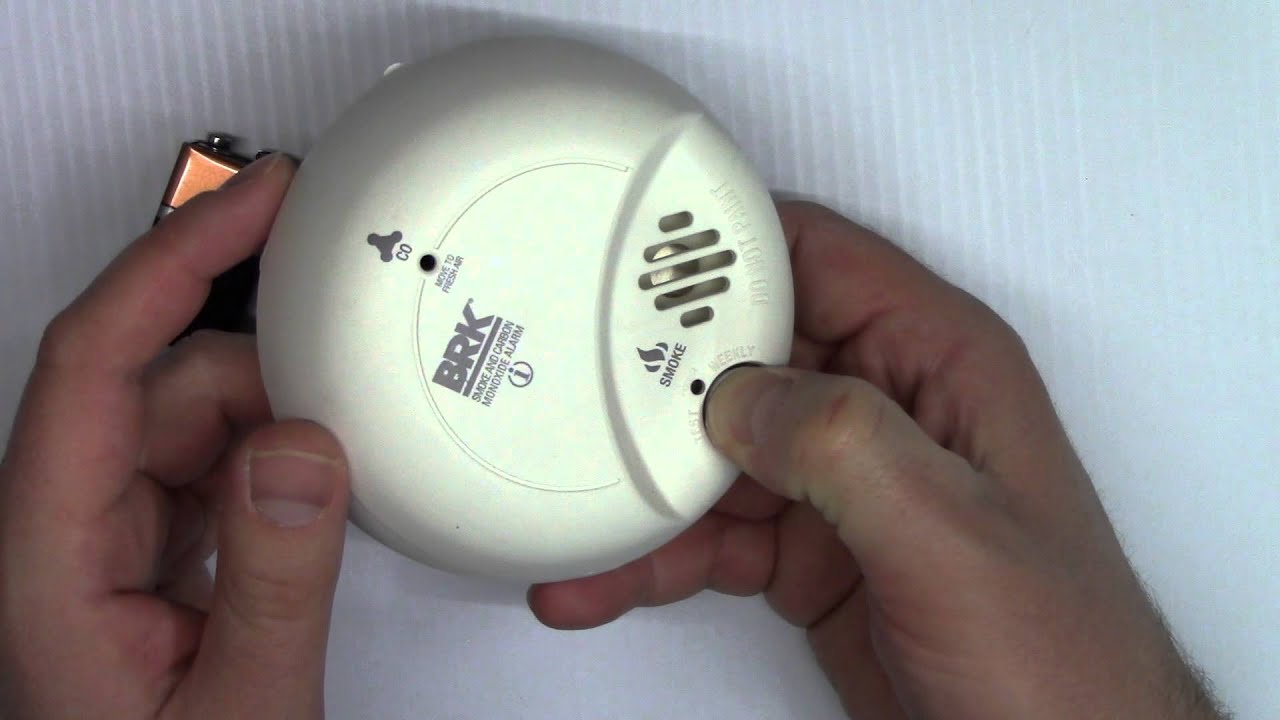
The Power Cycle Protocol (AKA The "Have You Tried Turning It Off and On Again?" for Smoke Alarms)
This is your number one go-to. Most smoke alarms, especially after a full battery drain, need a proper "reboot" to clear their internal memory and recognize the new power source. It's like restarting your computer when it's acting flaky.
- Remove the battery again. Yes, really.
- Press and hold the test button for 15-20 seconds. This is crucial. It drains any residual charge from the alarm's capacitors, essentially giving it a clean slate. You might hear a final, fading chirp – that’s a good sign!
- Reinsert the fresh battery. Make sure it's snug and secure.
- Close the compartment.
- Test it. Press the test button briefly. You should hear a loud, continuous alarm sound, confirming it's working.
This process is the equivalent of a digital detox for your smoke alarm. Many chirps after a battery change are resolved by this simple reset ritual.
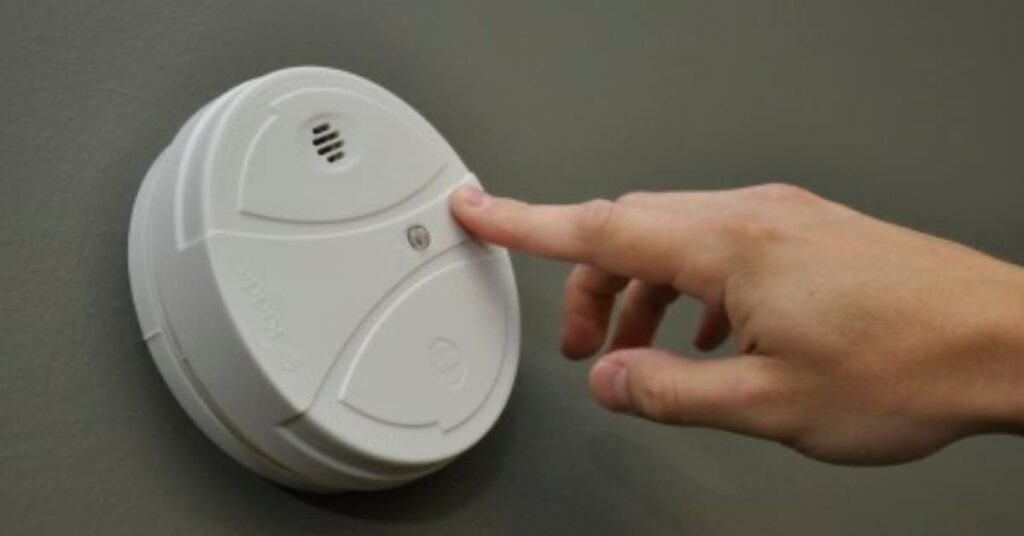
Verify Your Voltage: The Battery Check-Up
Not all batteries are created equal, even if they're "new." Always ensure you're using the correct battery type (often a 9-volt, but some might use AA or AAA). Also, give that new battery a quick check. Sometimes, batteries can be old stock, or have a tiny defect, causing them to not deliver full power. If you have a multimeter, you can check its voltage. Or, just pop in a different, brand-new battery from a fresh pack to rule out a dud.
Dust Bunnies Beware: A Gentle Cleanse
Smoke alarms are essentially sensitive air sniffers. Over time, dust, cobwebs, and even tiny insects can accumulate inside, interfering with their sensors and triggering false alarms or, you guessed it, those annoying chirps. Carefully remove the alarm (if it's easily detachable) and gently use a soft brush attachment on your vacuum cleaner to clear out any visible debris. You can also wipe the exterior with a damp cloth. Just make sure it’s completely dry before reattaching!
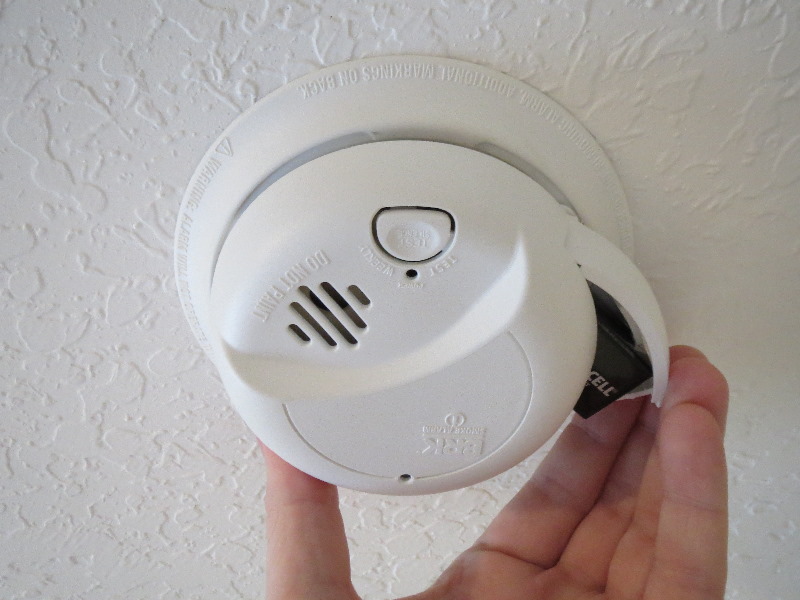
The 10-Year Mark: The Unsung Hero of Safety
Here’s a fun fact that isn't so fun if you ignore it: Smoke alarms have an expiration date! Most manufacturers recommend replacing your smoke alarms every 10 years. This isn't just a sneaky way to sell more alarms; the sensors inside degrade over time, becoming less effective. Look for a manufacturing date or "replace by" date printed on the back of the unit. If your alarm is pushing a decade, that persistent chirp might be its final, polite plea for retirement. It's an often-overlooked safety tip, but incredibly important!
Peace Restored, Lesson Learned
There's a subtle satisfaction in silencing that incessant chirp, isn't there? It’s not just about stopping an annoying sound; it’s about understanding a little piece of your home, mastering a minor challenge, and ensuring your sanctuary remains safe.
From a quick power cycle to a good dusting, or recognizing it’s time for a decade-old veteran to retire, these small acts of mindful maintenance keep our homes running smoothly. So next time that persistent chirp tries to rattle your calm, remember: you’ve got this. A little patience, a dash of knowledge, and you'll be back to enjoying the sweet sound of silence, well-earned and truly appreciated.