Smoke Alarm Beeping After Battery Replaced

Ah, the humble smoke alarm! It’s the unsung guardian of our homes, the silent sentinel standing watch while we sleep, cook, or accidentally burn popcorn. We don't exactly "enjoy" its piercing shriek, but we certainly appreciate the profound peace of mind it brings, knowing that should the unthinkable happen, we'll get that crucial heads-up. It's the ultimate 'better safe than sorry' gadget, a tiny disc of plastic and electronics that holds a monumental responsibility. And sometimes, after you've done your civic duty and replaced its battery, it decides to play a little game called "guess why I'm still chirping!"
The purpose of this little lifesaver is utterly paramount: to provide an early warning in the event of a fire, giving you and your loved ones precious seconds, even minutes, to escape safely. It’s not just about saving property; it's about saving lives. From the gentle simmer of a forgotten pot to the dramatic blaze of an electrical fault, smoke alarms stand ready to alert us. They are a universal symbol of home safety, found in practically every dwelling, a testament to their simple yet profound effectiveness.
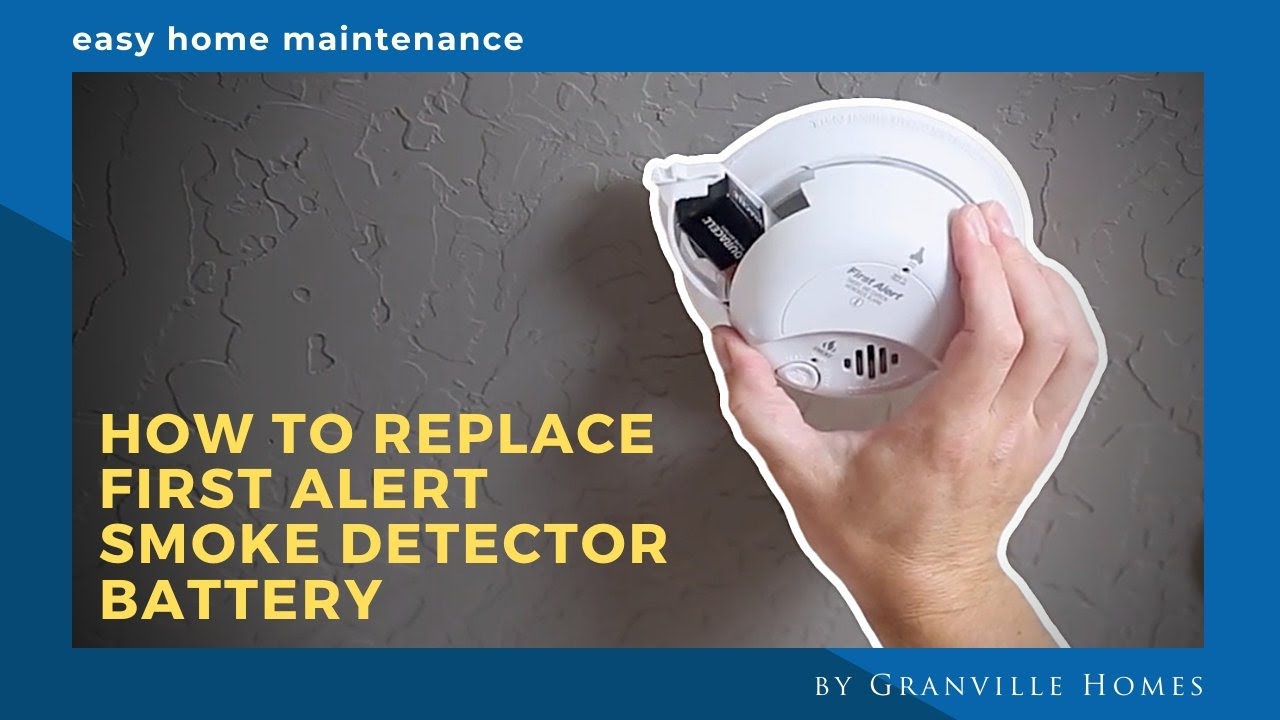
But back to our post-battery-change conundrum. You’ve braved the rickety chair, wrestled with the fiddly compartment, triumphantly inserted a fresh 9-volt, and yet… chirp. This isn't usually a sign of imminent doom (though always treat an alarm seriously!), but rather a signal that your valiant guardian needs a little reset, or perhaps has another message for you. Common scenarios include hardwired alarms with a backup battery needing a system reboot, or even just a bit of residual charge playing havoc with the sensors. Sometimes, it’s simply telling you it’s dusty, or worse, that it’s reached its ten-year expiry date and is ready for retirement.
Must Read
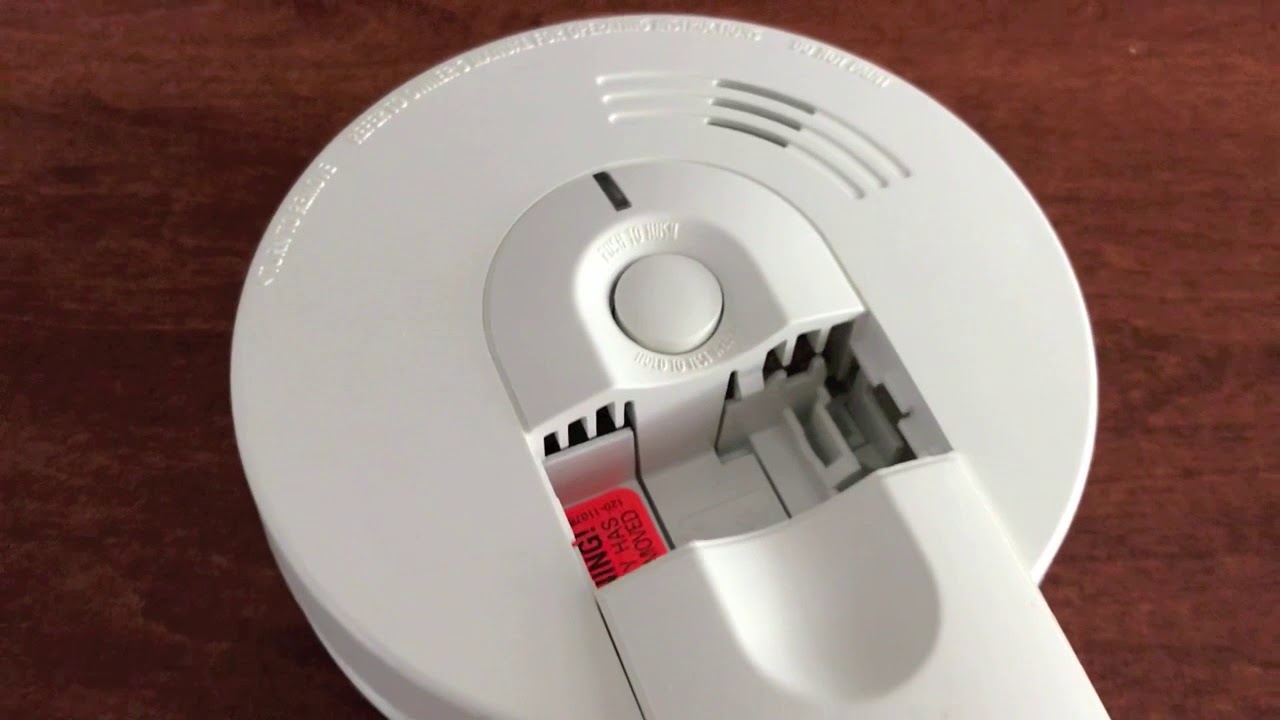
So, how do we "enjoy" the troubleshooting process more effectively, transforming frustration into triumphant silence? The key is often a proper reset ritual. First, remove the battery again. This time, while the battery is out, press and hold the test button for at least 15-20 seconds. This drains any leftover electrical charge that might be confusing the sensor. Think of it as a deep system reboot for your tiny hero. Reinsert the new battery, ensuring correct polarity, and then press the test button one more time. Hopefully, a satisfyingly loud, sustained alarm will sound, followed by blessed silence. For hardwired units, you might need to flip the breaker switch off for that specific circuit, detach the alarm, disconnect the battery, perform the test button hold, then reassemble and restore power.
If the chirping persists, consider giving the alarm a gentle clean with a vacuum cleaner hose to remove dust and cobwebs, which can sometimes trigger false alarms. And definitely, absolutely, check the manufacturing date on the back. If your alarm is over a decade old, its internal components are likely degraded, and it's time for a full replacement. Investing in a new smoke alarm every ten years is a small price to pay for continued peace of mind. By understanding your smoke alarm's quirks and employing these simple tips, you can ensure your home's guardian is always at its best, providing genuine safety rather than puzzling chirps.