
Sleep Disorders Include All Of The Following Except

Let's face it, most of us love a good night's sleep. Think about that feeling of sinking into your pillow after a long day, the world fading away as you drift off. Sleep is our nightly reset button, our chance to recharge and face the world anew. It's a vital part of life that we often take for granted, until we’re tossing and turning, unable to find that elusive slumber.
But why is sleep so crucial? The benefits are almost endless. A good night's sleep boosts your mood, sharpens your focus, and strengthens your immune system. It helps your brain consolidate memories, making learning and problem-solving easier. Plus, it can even impact your physical health, reducing the risk of chronic diseases like heart disease and diabetes. In essence, sleep isn't just a luxury; it's a necessity for a healthy and fulfilling life.
We experience sleep in so many different ways. Maybe you're a champion napper, able to doze off anywhere, anytime. Or perhaps you're a creature of habit, needing a precise bedtime routine to feel comfortable. Some people swear by white noise machines, while others prefer complete silence. The ideal sleep environment is incredibly personal. Many use sleep to mentally prepare for a big event or to decompress after a stressful one.
Must Read
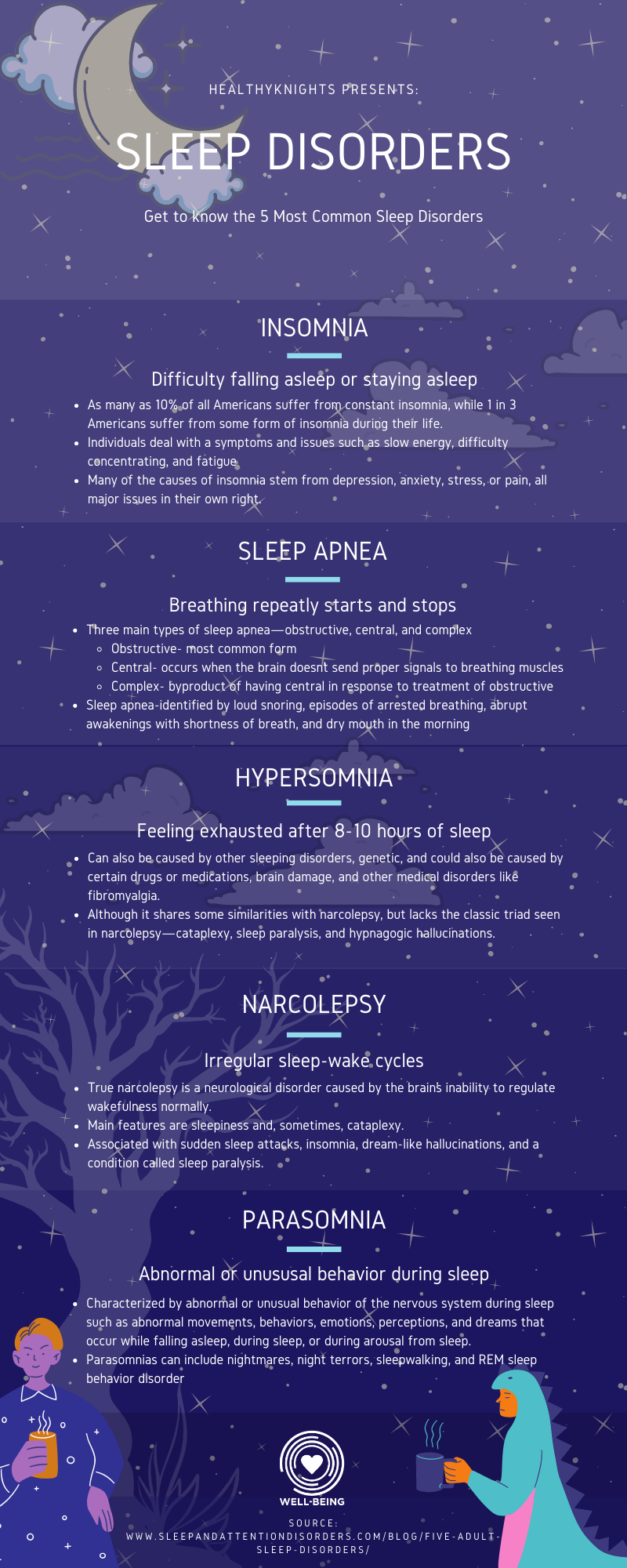
However, what happens when sleep becomes a struggle? That's where sleep disorders come into play. These are conditions that disrupt your normal sleep patterns, preventing you from getting the rest you need. Common examples include insomnia (difficulty falling or staying asleep), sleep apnea (brief interruptions in breathing during sleep), restless legs syndrome (an irresistible urge to move your legs, especially at night), and narcolepsy (excessive daytime sleepiness). These can significantly impact your daily life and overall well-being.
Think of someone who consistently gets good sleep: energetic, focused, and ready to tackle the day. Now, think of someone struggling with chronic sleep deprivation: irritable, forgetful, and constantly fatigued. The difference is stark. That being said, it's important to realize that enjoying a good movie isn’t a sleep disorder. While watching a thrilling film before bed might disrupt your sleep, it is just a leisure activity and is not a medically diagnosable condition.
So, how can you improve your sleep hygiene and enjoy more restful nights? Here are a few practical tips:
- Establish a regular sleep schedule: Go to bed and wake up around the same time each day, even on weekends. This helps regulate your body's natural sleep-wake cycle.
- Create a relaxing bedtime routine: Wind down with a warm bath, read a book, or listen to calming music. Avoid screen time for at least an hour before bed.
- Optimize your sleep environment: Make sure your bedroom is dark, quiet, and cool.
- Watch your diet and exercise: Avoid caffeine and alcohol before bed. Regular exercise can improve sleep, but avoid intense workouts close to bedtime.
- Consider seeking professional help: If you're struggling with persistent sleep problems, talk to your doctor. They can help you identify any underlying issues and recommend appropriate treatments.
Ultimately, prioritizing sleep is an investment in your overall health and happiness. By understanding the importance of sleep and taking steps to improve your sleep habits, you can unlock a world of benefits and wake up feeling refreshed, rejuvenated, and ready to take on whatever the day throws your way. And remember, the occasional late-night movie marathon doesn't make you a sleep disorder statistic!

:max_bytes(150000):strip_icc()/Health-Sleep-Disorders-GettyImages-1455777191-BLUE-horiz-d240b58860bd457a83ed710700ed23d7.jpg)
