Should You Stay In Water While Outdoors During A Thunderstorm

Summer days are truly magical, aren't they? The sun beaming, the water glistening, and the irresistible urge to just dive right in! But what happens when that perfect blue sky suddenly turns a bit moody, and you hear a distant rumble? It's a question that pops into many minds while at the beach, by the pool, or out on a lake: "Should I stay in the water during a thunderstorm?" It's a common query, and understanding the answer isn't just interesting, it's a really useful bit of knowledge for anyone who loves spending time outdoors near water.
This topic isn't just for weather gurus; it's genuinely helpful for a whole range of folks. For beginners to outdoor adventures, especially those new to water sports or lakeside camping, knowing the drill about storms can make all the difference between a fun memory and a scary one. You'll gain fundamental safety smarts that stick with you. For families, this information is a game-changer. Parents want to keep their kids safe, and understanding the risks associated with water and lightning means you can make quick, informed decisions, ensuring those precious family moments remain joyful and worry-free. And for the dedicated hobbyists – think anglers casting lines, kayakers paddling along, or serious swimmers doing laps – this knowledge is crucial. It allows you to pursue your passions safely, knowing when to pack it in and when it's truly safe to resume your activity.
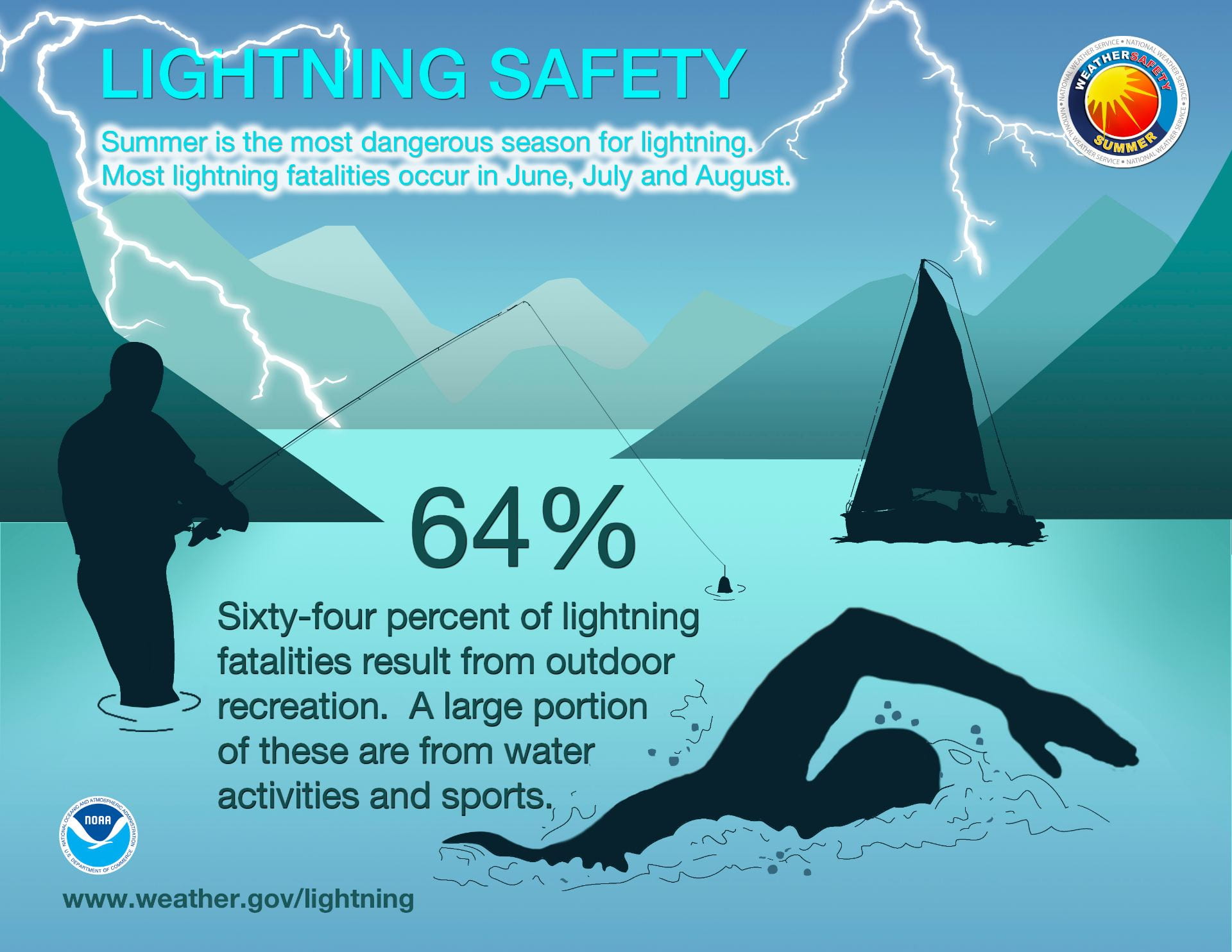
The "water and lightning" discussion isn't one-size-fits-all, but the core principle remains consistent. It applies whether you're taking a leisurely dip in a swimming pool, enjoying the vastness of the ocean, paddling on a calm lake, or even just wading in a shallow river. The danger isn't just about a direct strike on you; lightning can strike the water's surface or nearby land, and the electrical current can then travel through the water. This means that even if the lightning hits a bit away, the electricity can still reach you if you're in the water. It’s why you might hear the rule: "When thunder roars, go indoors!" The sound of thunder means lightning is close enough to strike you, and water is an excellent conductor. So, whether you're actively swimming, fishing from a boat, or even just having your feet in the water, the risk is real and immediate when a storm approaches.
Must Read
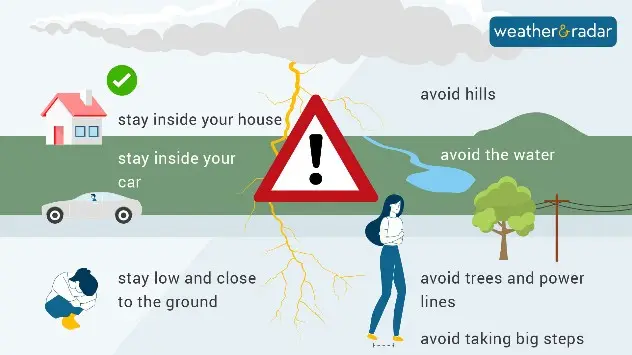
So, what are some simple, practical tips to keep you safe? First and foremost, don't wait to see the lightning. If you hear thunder, it’s your cue to get out of the water immediately. Seek shelter in a sturdy building with plumbing and wiring (which helps ground the electricity) or a hard-topped vehicle with the windows closed. Avoid open structures like gazebos, picnic shelters, or tall isolated trees, as these offer little protection and can even increase your risk. Stay away from anything that can conduct electricity, such as metal fences, poles, and of course, the water itself. And here’s a big one: don't head back out just because the rain has stopped. It’s generally recommended to wait at least 30 minutes after the last clap of thunder before returning to outdoor activities, especially near water.
Ultimately, enjoying the great outdoors and all the wonderful water activities it offers is what summer is all about. By understanding a few simple safety guidelines regarding thunderstorms, you're not just being cautious; you're ensuring that your experiences are truly memorable for all the right reasons. Stay smart, stay safe, and keep those good times rolling responsibly!