
Should You Close Vents In Unused Rooms

Ah, the eternal homeownership debate, whispered in hushed tones around the thermostat: "Should I close the vents in unused rooms?" It feels like such a clever little hack, doesn't it? A stroke of genius! Why on earth would you heat or cool that guest room that only sees action twice a year, or that dusty storage room that's basically a museum of forgotten dreams?
You picture yourself, a savvy energy-saver, redirecting all that precious conditioned air right where it’s needed. Like a tactical general, you’re optimizing the airflow, surely slashing those utility bills! You close the vents, a satisfied smirk spreading across your face, confident you've just outsmarted your entire HVAC system. We’ve all been there, trust me.
The Grand Illusion: Why We Think It Works
It makes perfect sense on paper. Less space to heat or cool means less energy used, right? It's like trying to fill a bucket with water – if you plug some of the holes, the water will have to go into the remaining ones faster. Simple physics! You imagine your furnace or AC unit breathing a sigh of relief, working less hard, and probably sending you a thank-you note in the mail.
Must Read
But here's the thing about HVAC systems: they're a bit like that stubborn relative who refuses to follow directions. They have their own ideas about how things should flow, and trying to micromanage them usually just leads to a bigger headache for everyone involved. Especially your wallet.
Your HVAC System is Not a Set of Independent Straws
Think of your home's heating and cooling system not as a collection of individual vents, but as a single, complex organism. It's got lungs (the blower motor), a heart (the furnace/AC unit), and a circulatory system (the ducts). When you close off a vent, it's a bit like trying to hold your breath while running a marathon. The system doesn't just decide, "Oh, fewer rooms to worry about, I'll take a nap!"

Instead, it gets stressed out. It's trying to push the same amount of air through a suddenly restricted pathway. Imagine squeezing a balloon – the air has to go somewhere, and if it can't go out the intended opening, it starts to look for other, less desirable escape routes.
The Unintended Consequences: A Comedy of Errors
So, what actually happens when you play vent-gatekeeper?

-
Pressure Builds Up: Your blower motor is designed to move a specific volume of air against a certain amount of resistance. When you close vents, you're essentially building up back pressure. It's like trying to push a giant beach ball through a tiny garden hose. The system has to work harder to do its job, straining the motor.
-
Ductwork Leaks Like a Sieve: Those ducts snaking through your attic and walls? They're often not as airtight as you'd hope. When pressure builds, your conditioned air looks for any crack, gap, or loose connection to escape. So, instead of going into your living room, it might just seep into your attic or wall cavities. You're paying to heat and cool your insulation!
-
Uneven Temperatures Get Worse: Remember your goal of directing air? Often, the opposite happens. The air pressure can mess with the balance, leading to hot spots and cold spots in the rooms you are trying to condition. It's like trying to make one child eat all the vegetables by refusing to give them to the others – everyone ends up unhappy.
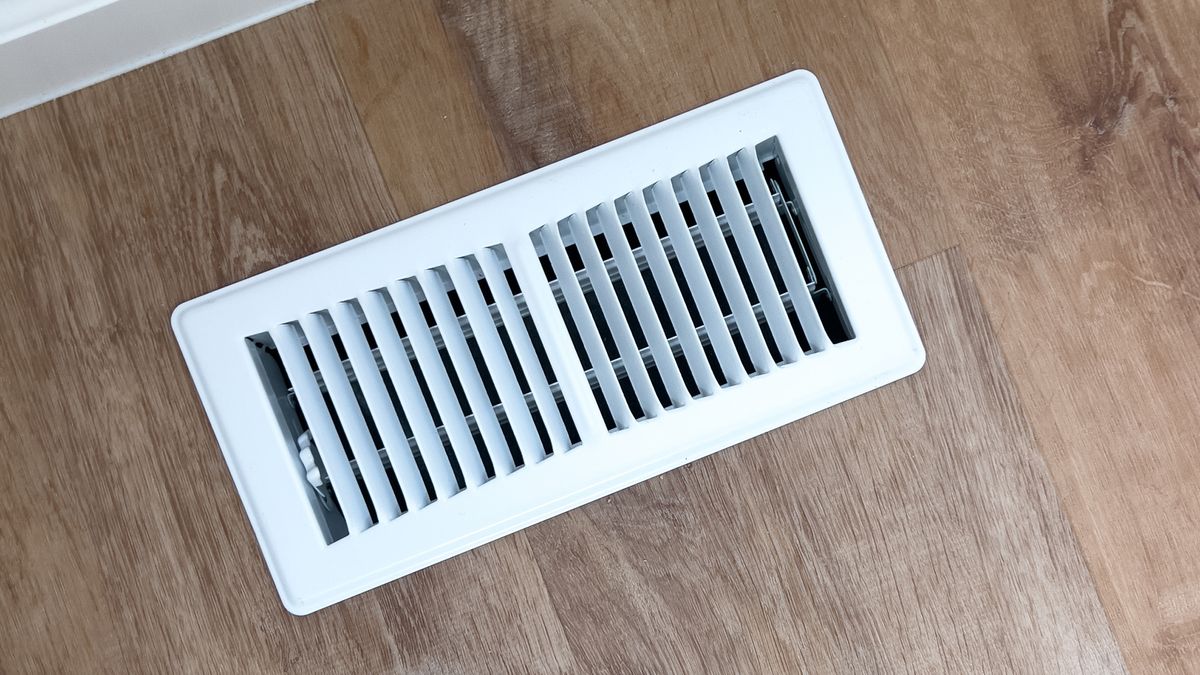
Should you close HVAC vents in unused rooms? Experts say no, and here's -
The Dreaded Frozen Coil (AC) or Overheating (Furnace): If airflow is severely restricted, your AC's evaporator coil might not get enough warm air passing over it, causing it to freeze solid. Suddenly, you've got no cool air and a block of ice where your coil should be. For furnaces, restricted airflow can cause the heat exchanger to overheat, potentially leading to safety shutdowns or even damage. Not exactly an energy-saving move!
-
Higher Energy Bills (The Irony!): Because your system is working harder, straining to push air, and potentially losing it through leaks, it actually consumes more energy. That satisfied smirk? It's probably been replaced by a frown when the utility bill arrives. You tried to save a buck, and your HVAC system took you out for an expensive dinner instead.

Should you close air conditioning vents in unused rooms? - YouTube
Embrace the Flow, Friend
So, what’s the takeaway here? Unless you have a sophisticated zoning system specifically designed to regulate airflow to different areas, it's generally best to leave those vents open. Let your HVAC system do its thing, flowing freely throughout your home.
Think of it as giving your house good circulation. A healthy, balanced system is a happy system, and a happy system is one that runs efficiently and lasts longer. Don't try to outsmart it with simple vent closures; you'll likely just make it work harder and cost you more in the long run.
Next time you find yourself eyeing that vent in the "never used" room, give a little nod to the complexity of modern engineering. Sometimes, the best solution is the simplest: just let the air flow. Your HVAC unit (and your wallet) will thank you.