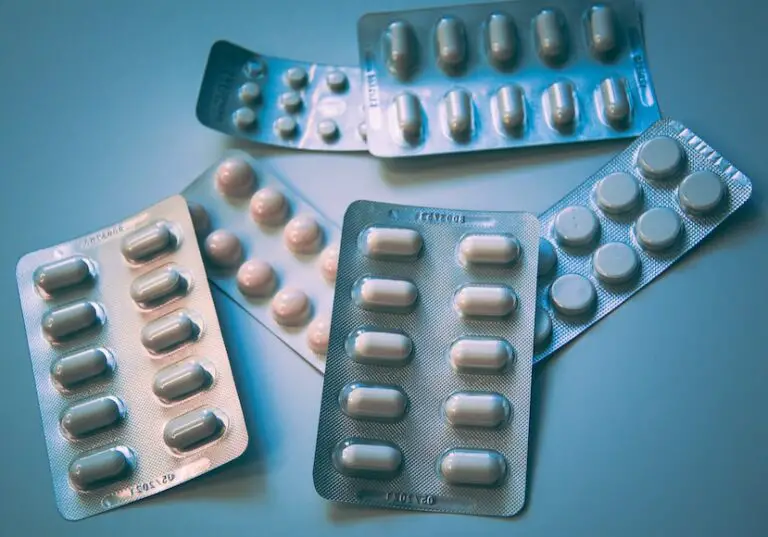
Should I Take Finasteride In The Morning Or At Night

Ever felt like you're losing more hair than usual? Or maybe you're just curious about the science behind hair loss and how to combat it? Then you've probably stumbled upon finasteride, a medication often prescribed for male pattern baldness. But here's where things get interesting: does it matter when you take it? Is there a secret morning-vs-night showdown for optimal results? Let's dive in with a relaxed and curious mind!
So, what exactly is finasteride and why do people use it? Simply put, finasteride is a medication that inhibits an enzyme called 5-alpha reductase. This enzyme converts testosterone into dihydrotestosterone (DHT), a hormone linked to hair follicle shrinkage and, consequently, hair loss in genetically predisposed individuals. By reducing DHT levels, finasteride can help slow down hair loss and, in some cases, even promote hair regrowth. Think of it as hitting the brakes on a runaway train of baldness!
Beyond hair loss, finasteride is also used to treat benign prostatic hyperplasia (BPH), also known as an enlarged prostate. Again, it's all about DHT. By lowering DHT levels, finasteride can help shrink the prostate gland and relieve symptoms like frequent urination, difficulty urinating, and a weak urine stream. The practical implications are huge – imagine being able to sleep through the night without multiple bathroom trips!
Must Read
Now, back to the million-dollar question: morning or night? The truth is, there's no strong scientific evidence to suggest that taking finasteride at a specific time of day makes a significant difference in its effectiveness. Finasteride has a relatively long half-life, meaning it stays in your system for a considerable amount of time. As long as you take it consistently, once a day, you're likely to experience its benefits regardless of the time. This is crucial!
However, personal preference and routine play a bigger role than you might think. Consider this: are you a morning person who diligently takes medication with breakfast? Or are you more likely to remember your pill as part of your nightly routine? Consistency is key, so choose a time that fits seamlessly into your daily life. Perhaps you could even link it to another daily activity, like brushing your teeth or checking your emails, to ensure you don't forget.
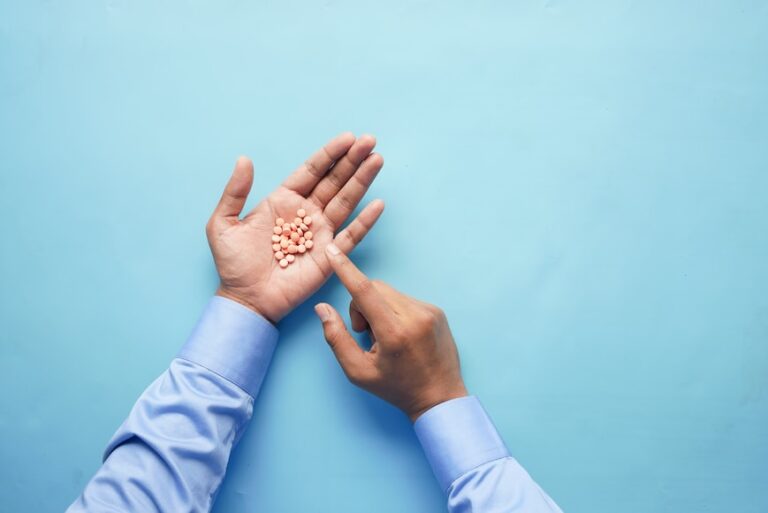
If you're just starting finasteride, a good approach is to experiment a little. Try taking it in the morning for a week, then switch to taking it at night for another week. Pay attention to how you feel. Do you notice any differences in side effects (although these are rare, some people experience mild issues)? Do you find one time easier to remember than the other? Your personal experience is the most important factor in determining the best time for you.
Ultimately, the best time to take finasteride is the time you'll actually remember to take it consistently. Don't overthink it! Focus on building a routine and sticking to it. And, of course, always consult with your doctor or a qualified healthcare professional for personalized advice tailored to your specific needs and medical history.