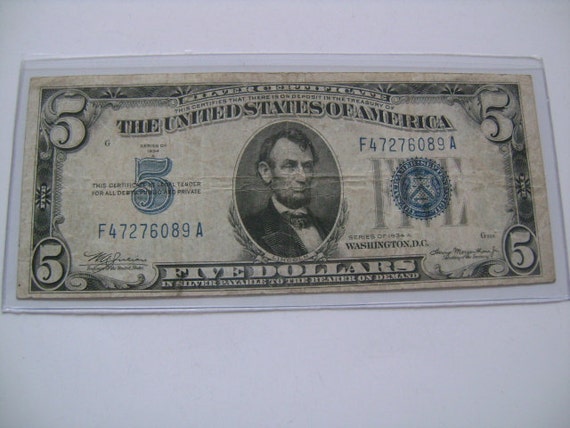
Series Of 1934 A 5 Dollar Bill

Ever held a five dollar bill and just... well, spent it? I get it. We all do! But what if that unassuming piece of paper could unlock a little piece of history, a dash of art, and a whole lot of fascinating trivia? I'm talking about the Series of 1934 $5 bill. Yes, that one. Okay, maybe not that specific one, but one just like it! Prepare to have your mind blown (in a good, historically-accurate, totally-not-explosive way!).
Why Should I Care About an Old Five Dollar Bill?
Good question! I mean, we're all busy, right? Streaming services to binge, deadlines to meet, cats to pet (priorities!). But trust me, delving into the world of vintage currency is surprisingly rewarding. It's like holding a tiny time capsule in your hand. The Series of 1934 $5 bill was issued during a pivotal moment in American history – right smack-dab in the middle of the Great Depression and leading up to World War II. Think about it – that bill could have passed through the hands of someone buying bread to feed their family, or been part of a factory worker's hard-earned paycheck. Whoa, right?
Plus, it's just plain cool to know more than the average person about something seemingly mundane. Imagine whipping out this knowledge at a party! "Oh, this bill? Yeah, it's a Series of 1934. Did you know...?" Instant conversation starter! Instant intellectual swagger! Okay, maybe I'm exaggerating a little, but you get the idea. It's fun!
Must Read
What Makes the Series of 1934 So Special?
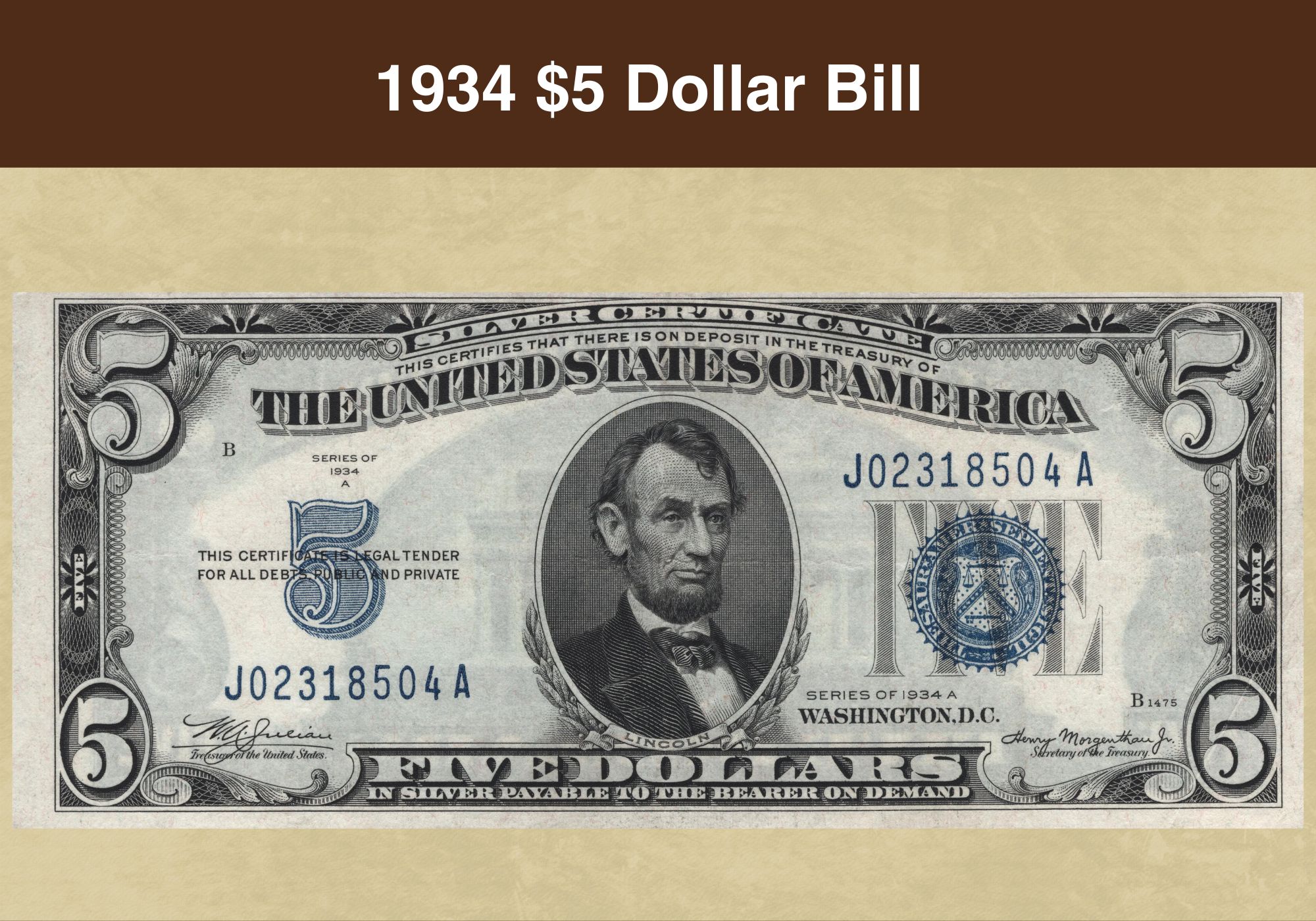
So, what are we looking for? First, check the series date. Obvious, I know, but crucial! It'll be printed near the bottom right or left of the bill (usually below the portrait of Abraham Lincoln). If it says "Series of 1934," congratulations! You're on your way. But there's more!
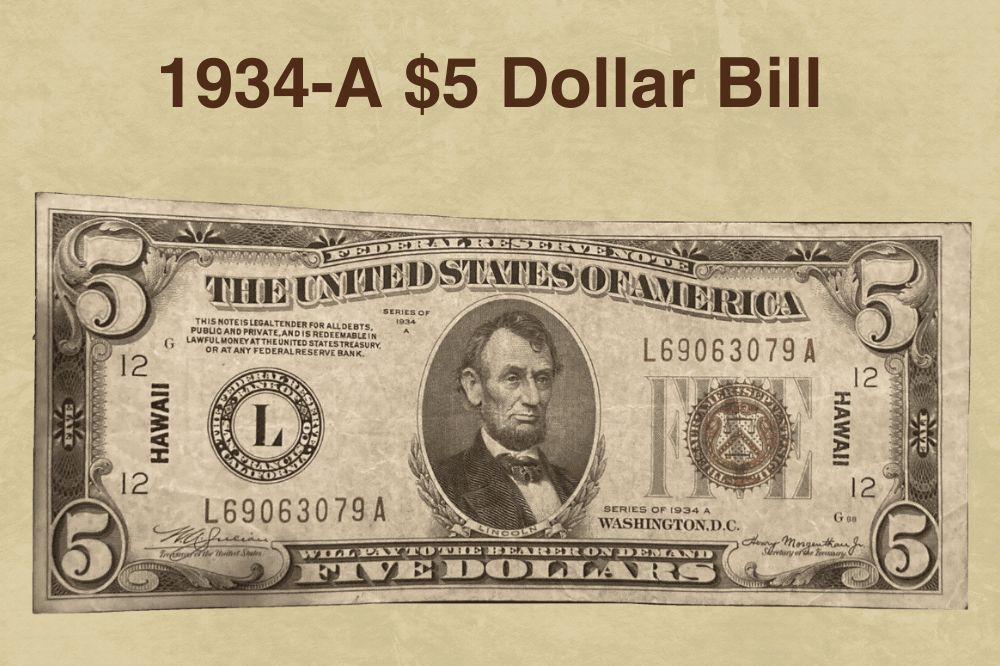
Look for a letter after the "1934." This is the series designation (e.g., 1934, 1934A, 1934B, etc.). Each letter indicates a different printing or slight variation. Think of it as the bill's version number. 1934A? Slightly different than 1934B. 1934C? You get the picture. Now, before you start dreaming of early retirement, the letter itself doesn't dramatically affect the value unless it's a super rare printing or in pristine condition.
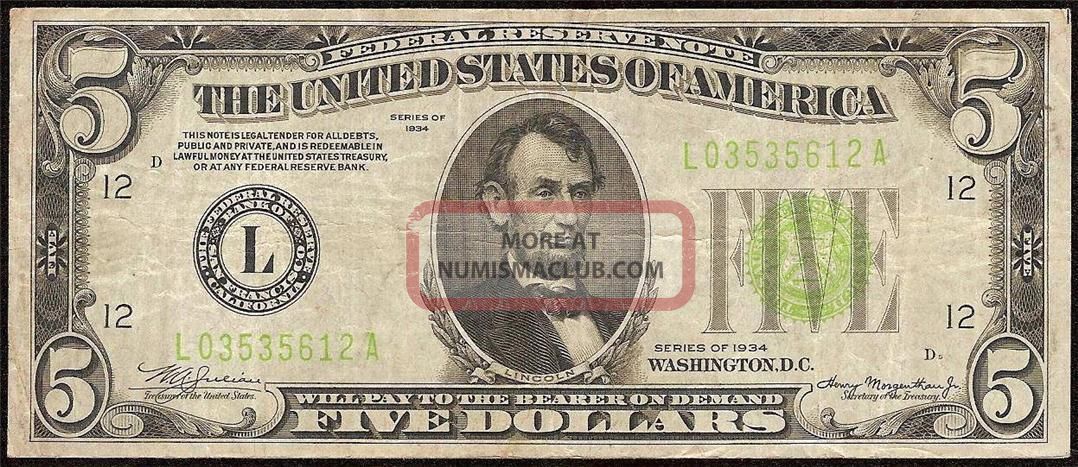
Another thing to note: the Federal Reserve seal and letter. Each Federal Reserve Bank has its own unique seal and corresponding letter. These are located on the left side of the bill. For example, "A1" represents Boston. These combinations don't dramatically impact value either, but they contribute to the bill's fascinating history.
Signatures! Look at the signatures of the Treasurer of the United States and the Secretary of the Treasury. These changed over time, adding another layer of historical context. Knowing who held those positions during different periods can give you a snapshot of the economic policies of the day. Who knew a five-dollar bill could be so informative?
Is My 1934 Five Dollar Bill Worth a Fortune?
Ah, the million-dollar question! (Or, you know, the five-dollar question...) While it's unlikely you're holding the next winning lottery ticket, some Series of 1934 $5 bills are worth more than their face value, especially if they're in uncirculated condition. Think crisp, clean, no folds, like it just came off the printing press. But even circulated bills can have a small premium, especially if they have interesting errors (misprints, off-center images, etc.). Those are the real treasures!
To get a realistic idea of your bill's value, consult a reputable coin and currency dealer or check online price guides. Don't just Google "1934 five dollar bill worth a million bucks!" You'll be disappointed (and probably end up on some clickbait website). Do your research!
Remember: the value of any collectible is determined by condition, rarity, and demand. A common, heavily circulated 1934 $5 bill might only be worth... well, five dollars! But a pristine, rare variety could fetch a much higher price. So, do your homework!
More Than Just Money
Ultimately, collecting or simply appreciating old currency isn't just about the money. It's about connecting with the past, learning about history, and adding a little bit of fun and intrigue to your everyday life. It's about holding a tangible piece of history in your hand and wondering about the stories it could tell. It’s about appreciating the artistry and craftsmanship that went into designing these bills.
So, next time you come across an old five dollar bill (or any old currency, for that matter), take a closer look. You might be surprised at what you discover. And who knows? Maybe you'll even catch the collecting bug! It's a rewarding hobby that can bring history to life – one bill at a time.
Now, go forth and explore! The world of numismatics (that's the fancy word for coin and currency collecting) awaits! There's a whole universe of historical paper just waiting to be discovered. Happy hunting!