
Septic Tank Clean Out Pipe
Alright, gather 'round, folks, because I've got a little story for you. Picture this: it was a Tuesday morning, coffee in hand, blissful silence. Then, a faint, gurgling sound from the bathroom. My heart did a tiny little panic-skip. You know the one, right? That dread that creeps in when your home starts making noises it shouldn't. I sprinted to the loo, only to find the water level in the bowl looking... optimistic. Too optimistic, if you catch my drift. It was like a slowly rising tide in my porcelain sea.
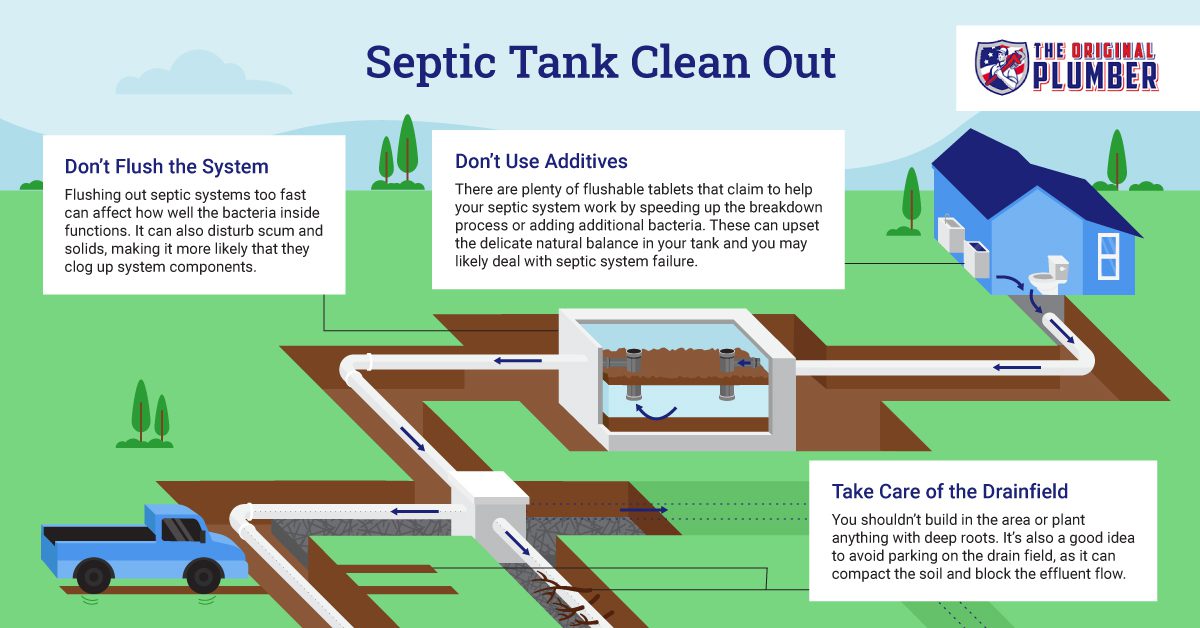
My first thought was, "Oh, no, not again!" My second thought, after a quick mental inventory of everything that had gone down that drain, was, "Where's the problem?" I live with a septic system, which, bless its hardworking heart, is a whole different beast from city sewers. So, I did what any modern homeowner does: I googled "septic tank diagrams for dummies." And there, amidst the baffling schematics of baffles and drain fields, I saw it. A little pipe, often overlooked, but absolutely crucial.
That, my friends, is how I got intimately acquainted with the unsung hero of your underground plumbing system: the septic tank clean out pipe. And trust me, if you’ve got a septic system, you need to know about this thing. Seriously, it's like finding a secret escape hatch in a video game you've been playing for years.
Must Read
So, What Exactly IS This Magical Clean Out Pipe?
Imagine your septic system as a busy highway for waste. Everything from your sinks, showers, and, yes, your toilets, travels down a main line from your house to the septic tank. Now, sometimes, traffic gets a little backed up. And when it does, you need an access point, a bypass, a way in to fix things without excavating your entire backyard.
That’s where the clean out pipe comes in. It’s essentially a vertical pipe with a removable cap, usually located somewhere between your house and your septic tank. Think of it as a VIP entrance for plumbers, or, in a pinch, an emergency pressure relief valve for your sanity. It typically offers a direct line of sight (and access) to the main pipe leading into your septic tank, and sometimes even the one coming out of the tank.

It’s often made of PVC, sticking just a few inches out of the ground, capped with a screw-on lid or a simple plug. Sometimes they're green, sometimes white, sometimes cleverly hidden under a rock or a decorative gnome. Your mission, should you choose to accept it, is to find yours!
Why Should You Care About a Fancy Pipe Cap?
Because, my curious friend, this little pipe is your first line of defense when things go south. When you have a backup, a slow drain, or that ominous gurgle I mentioned earlier, the clean out pipe is where the action starts (or should start).
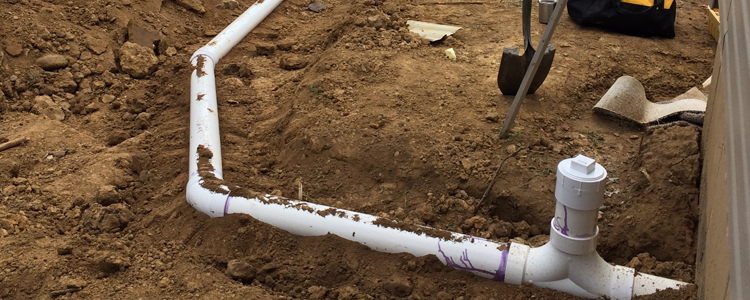
- Emergency Clogs: If you have a serious clog between your house and the tank, opening the clean out pipe can relieve pressure and sometimes even show you exactly where the blockage is. It's like taking the lid off a boiling pot – instant relief, though you still have to deal with the heat.
- System Inspection: Professionals use this pipe to check the flow, inspect the condition of the main line, and sometimes even assess the sludge levels in your tank without having to open the main septic lid. It's a quick peek into the belly of the beast.
- Preventative Maintenance: For those of us who believe in "an ounce of prevention," knowing where your clean out is means you can ensure it’s accessible and clear of obstructions. You don't want to be digging through tangled roots when sewage is backing up into your bathtub. (Trust me, you really don't.)
It’s important to note: while it is an access point, it’s not meant for DIY exploratory missions unless you really know what you’re doing. Messing with it incorrectly can make a bad situation much, much worse. We’re talking about potentially dealing with raw sewage, folks. So, caution is the watchword.
Locating and Respecting Your Clean Out Pipe
If you're unsure where yours is, check your home's blueprints or simply follow the main sewer line from your house foundation towards your septic tank. It'll often be within a few feet of the house or the tank itself. If you've never seen it, it might be overgrown with grass or buried slightly. A little gentle probing with a shovel might reveal it.
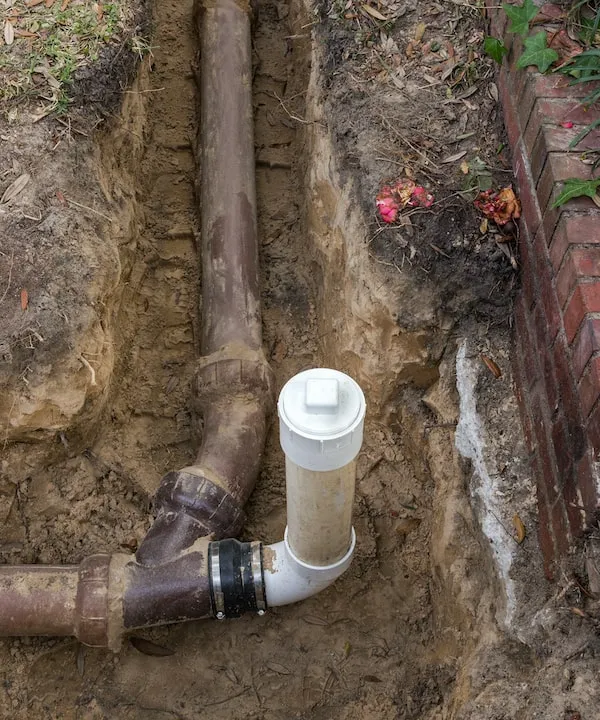
Once you’ve found it, give it some respect! Keep the area around it clear. Don't plant deep-rooted trees directly over it, and avoid driving heavy vehicles over it, which could damage the pipe. It’s there to serve you, so help it do its job.
The septic tank clean out pipe isn't glamorous, it doesn't sparkle, and it certainly won't win any beauty contests. But knowing it's there, understanding its purpose, and keeping it accessible can save you a whole lot of headache, money, and maybe, just maybe, a really gross Tuesday morning. So, go forth, my fellow septic-system dwellers, and embrace the humble, yet mighty, clean out pipe!
