
Self Defence Tips For Men
:max_bytes(150000):strip_icc()/4-Self-Defense-Moves-Everyone-Should-Know-2000-2fafbffaac1140248f4f26940cb27182.jpg)
Self-Defense for Men: More Than Just Kicking and Punching
Self-defense often sounds like something out of an action movie, all dramatic moves and intense training. But for us everyday guys, it’s actually much simpler, more surprising, and honestly, a lot more about smart thinking than brute force. Think of it less as fighting, and more like becoming a super-savvy, peace-loving problem-solver.
We're diving into some easy, fun tips that really work. You won’t need a black belt, just a little common sense and a dash of awareness. Let’s ditch the stereotypes and embrace the unexpected wins!
Your Superpower: Being Aware (No Cape Needed!)
Forget x-ray vision; your best superpower is simply paying attention. We’re talking about situational awareness, which sounds fancy but just means noticing what’s happening around you. It's like having your own personal radar system switched on.
Must Read
This isn't about being paranoid; it's about being present. Are you scrolling through your phone, or are you looking up and seeing who's coming and going? Often, just looking confident and alert can make you less of a target.
Beyond the Phone: Engaging Your Surroundings
A fun way to practice this is to play a mental game: "What's different?" as you walk down the street. Notice the new storefront, the car parked oddly, or someone waiting alone. It sharpens your mind without making you stressed.
Think of it as embracing your inner friendly neighborhood detective. It’s surprisingly empowering how much you can learn just by observing. This simple shift can make a huge difference in your day-to-day safety.
Your Voice: The Mightiest Weapon (Seriously!)
Who knew that your voice could be a self-defense tool? Many guys are taught to be stoic or quiet, but when things get hairy, a loud voice is incredibly effective. It's unexpected, startling, and draws attention.
Don't be afraid to yell, project, or make some serious noise if you feel threatened. A firm, loud "NO!" or "STOP!" can often de-escalate a situation faster than any physical move. It signals confidence and an unwillingness to be a silent victim.
Calling for Backup (Even If It's Just Noise)
Imagine you're in a tricky spot and you loudly declare, "Hey, I don't want any trouble!" This isn't weakness; it's smart. You're verbally establishing boundaries and letting anyone nearby know something is amiss.
If things escalate, a full-throated scream or yelling "HELP!" is absolutely okay. It’s not about being "manly" in silence; it’s about safety. Most people, even those who might have considered harm, don't want an audience.
The Art of the Strategic Exit (Aka "Running Away Smartly")
Okay, let's talk about the unsung hero of self-defense: your legs. Seriously, your ability to run away is often your best bet. Forget what movies teach you about standing your ground; if you can safely leave a bad situation, that's a win!
This isn't cowardice; it's pure strategic brilliance. Why engage in a conflict that could lead to harm when you can simply walk, or sprint, away? Think of yourself as an Olympic-level evader.
Your Legs Are Your Best Escape Plan
If a situation feels off, create distance. A quick exit can save you from so much trouble, pain, and legal hassle. There’s a wonderful freedom in knowing that your physical safety often comes from avoiding the fight, not winning it.
As the old saying goes,
"The best fight is the one you avoid."And often, avoiding it means using those powerful leg muscles. You'll never regret not getting into a scrap.

De-escalation: The Jedi Mind Trick of Self-Defense
Sometimes, the most powerful move is no move at all, but a well-chosen word or a calm demeanor. De-escalation is the art of cooling down a heated situation using communication and body language. It's like being a calm negotiator in a storm.
If someone is aggressive, speaking softly, using open hand gestures, and simply saying, "Hey, I don't want any trouble," can often work wonders. You're not challenging them; you're simply stating your intent to avoid conflict. It’s disarming.
The Unexpected Power of Being Calm
Remaining calm yourself, even if you're internally shaking, can influence the other person's energy. Most aggressors feed on fear and anger. When you don't give them that, it can throw them off their game.
Think of it as being a bit boring, in the best possible way. If someone is looking for a fight, and you offer them a calm, uninteresting response, they often lose interest. Your words truly can be your superpowers here.
Simple Physical Smarts (No Black Belts Required)
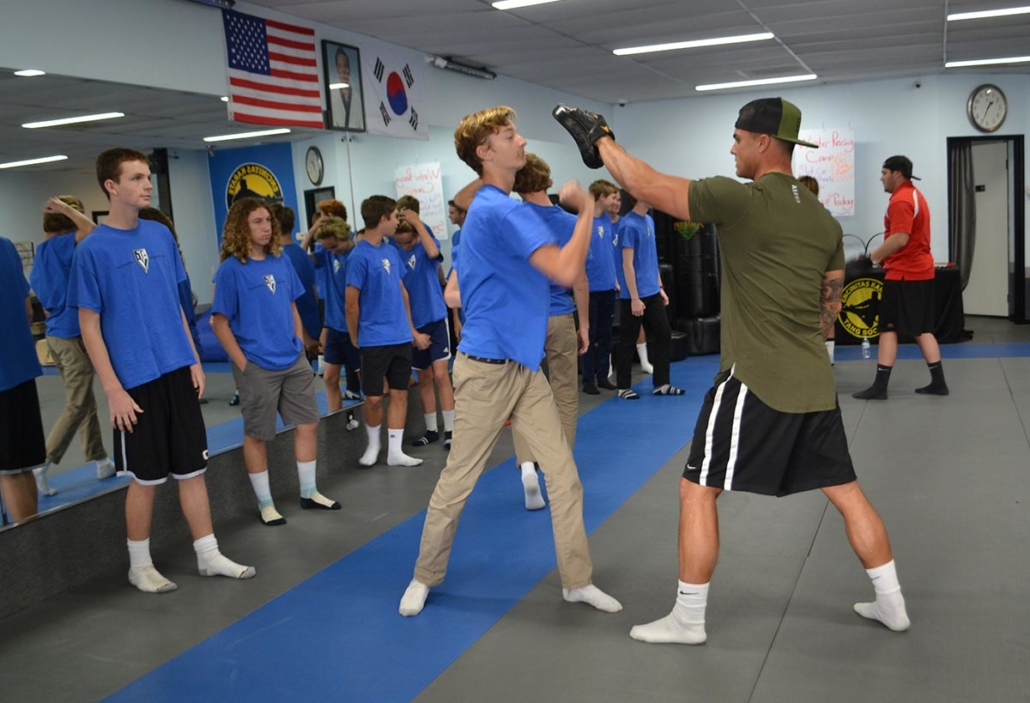
While avoiding a physical confrontation is always ideal, sometimes it's unavoidable. But here's the good news: you don't need fancy martial arts to protect yourself. Simple, natural reactions are often the most effective.
Focus on protecting your head and vital organs. If you find yourself in a scramble, use your arms to guard your face and chest. Instinctive pushes and shoves to create distance can be incredibly effective.
Everyday Objects: Your Unexpected Allies
What's in your pockets? Your keys, for example, can be held firmly in your fist with a key protruding to create a deterrent. Your phone's flashlight can be surprisingly disorienting if shined directly at an attacker's eyes.
These aren't "weapons" but everyday items that can give you a crucial second to escape. Remember, the goal isn't to fight; it's to create an opportunity to get away safely.
The Buddy System: Strength in Numbers (And Warmth in Friendship)
Remember the buddy system from school trips? Well, it turns out it’s still gold for adults. There’s incredible safety in numbers, and simply having a friend with you can deter potential threats. This isn't just practical; it's heartwarming.
When you're out with a friend, you're not just sharing a good time; you're also sharing a layer of protection. Two sets of eyes are better than one, and two voices are louder than one. It’s a simple, effective strategy.
Looking Out for Each Other
This also means extending that awareness to your pals. If you notice a friend seems uncomfortable or in a risky situation, speak up or step in. That sense of mutual protection fosters stronger bonds and safer communities.
Knowing someone has your back, and you have theirs, is a powerful feeling. It transforms self-defense from an individual burden into a shared responsibility and a testament to true friendship.
Confidence is Key (But Not Cockiness!)
How you carry yourself can be a huge factor in whether you're perceived as a potential target. Walking tall, with purpose, and making eye contact (not staring) projects an aura of self-assurance. It says, "I'm not an easy mark."
This isn't about strutting around or being aggressive; it's about radiating a quiet confidence. An attacker is often looking for someone who seems hesitant or distracted. Your posture can speak volumes before you even say a word.
Your Gut Feeling: The Ultimate Guide
Perhaps the most crucial self-defense tool you possess is your gut instinct. That little voice that says, "This feels wrong." Trust your gut. It's often picking up on subtle cues your conscious mind hasn't processed yet.
If a situation, a person, or a place gives you an uneasy feeling, it’s okay to remove yourself. You don't need a logical explanation; your intuition is your built-in alarm system. Listen to it; it's usually trying to keep you safe.
Embracing a Smarter, Safer You
Self-defense for men isn't about becoming a fighting machine; it's about being smart, aware, and proactive. It's about valuing your safety and the safety of those around you.
By focusing on awareness, using your voice, embracing strategic exits, de-escalation, and trusting your instincts, you're empowering yourself in the most practical and positive ways. Stay safe, stay smart, and keep that good humor flowing!