
Select All Of The True Statements Regarding Mitochondria.

Okay, so picture this: I'm staring into my fridge, utterly defeated. It's 7 PM, I haven't eaten since lunch, and I'm trying to decide if nuking a leftover burrito is worth the… effort. Seriously, the effort. That's when it hit me – my cells must be screaming for energy! And who's the powerhouse behind all that cellular energy? That's right, the mighty mitochondria!
So, yeah, I ended up eating the burrito (don't judge!), but it also got me thinking. We all know mitochondria are important, but do we really know what's true about them? Let's put on our detective hats and investigate some common claims about these little energy factories.
Mitochondria: Fact or Fiction?
Let's play a game. I'm going to throw out some statements about mitochondria, and we'll decide if they're true or false. Buckle up, this could get… energetic!
Must Read
Statement 1: Mitochondria are found in all eukaryotic cells.
Hmm, tricky. It's mostly true. Most eukaryotic cells, from your brain cells to your toenail cells (yes, even those!), have mitochondria. However, there are a few exceptions. Red blood cells, for example, don't have them. They need to be super flexible to squeeze through tiny capillaries, and mitochondria would just get in the way. So, technically, FALSE.
(Side note: Remember that eukaryotes are cells with a nucleus. Bacteria and archaea are prokaryotes and don't have mitochondria.)
Statement 2: Mitochondria only produce energy.
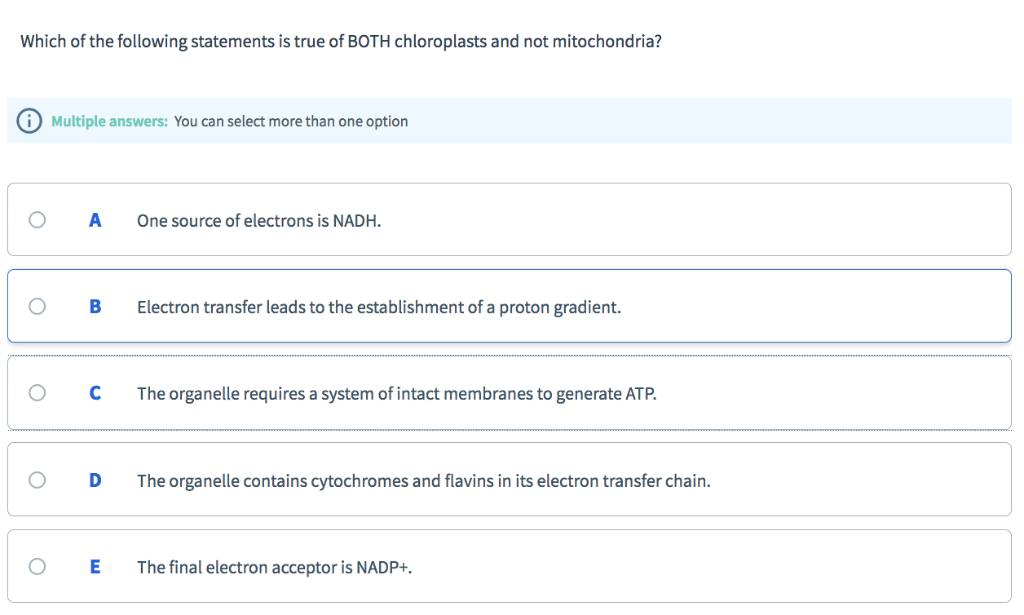
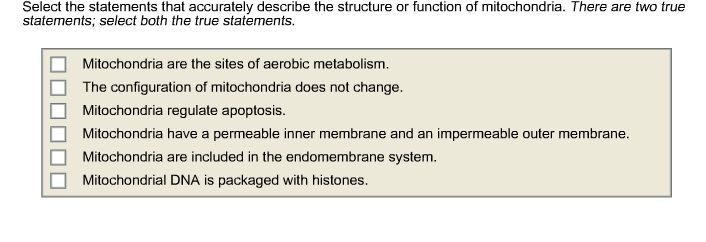
Aha! This is a common misconception. While producing energy (ATP, to be exact) is their primary job, mitochondria are also involved in a bunch of other important cellular processes. Think cell signaling, regulating cell death (apoptosis), and even synthesizing certain molecules. They're way more than just tiny power plants! So, FALSE.
Statement 3: Mitochondria have their own DNA.
BINGO! This one is TRUE. And it's a fascinating fact. This mitochondrial DNA (mtDNA) is circular, like bacterial DNA, and it supports the endosymbiotic theory. (Endosymbiotic theory states that mitochondria were once free-living bacteria that were engulfed by early eukaryotic cells.) They even have their own ribosomes that are more similar to bacterial ribosomes than eukaryotic ribosomes. Wild, right?
(Fun fact: Your mtDNA is almost entirely inherited from your mother! Thanks, Mom!)
Statement 4: Mitochondria are static structures that stay in one place within the cell.
Definitely FALSE. Mitochondria are anything but static! They're constantly moving around, fusing together (to share resources), and dividing (to increase their numbers). This dynamic behavior allows them to meet the energy demands of different parts of the cell. It’s like a tiny energy delivery service!
Statement 5: The number of mitochondria per cell is always the same.
Nope! FALSE again. The number of mitochondria varies greatly depending on the cell type and its energy needs. Muscle cells, which require a lot of energy, have tons of mitochondria. Other cells might have fewer. And the number can even change based on your activity level! Exercise can actually increase the number of mitochondria in your muscle cells – which is another reason to ditch that burrito and hit the gym (or, you know, just go for a walk).
Why Does This Matter?
Okay, so mitochondria have their own DNA, move around, and do more than just make energy. So what? Well, understanding these things is crucial for understanding a whole range of health issues. Mitochondrial dysfunction has been linked to everything from aging and neurodegenerative diseases to diabetes and cancer. By learning more about these tiny powerhouses, we can potentially develop new treatments for these conditions. Cool, huh?
So, next time you're feeling sluggish, remember the mitochondria – those amazing, dynamic organelles that are working tirelessly to keep you going. And maybe, just maybe, consider fueling them with something a little healthier than a leftover burrito!