Room Temperature Is How Many Degrees
Ever found yourself debating with a friend or family member about the perfect thermostat setting? Or maybe you've wondered why a recipe tells you to leave butter out to reach "room temperature"? The phrase "room temperature" gets tossed around a lot, but have you ever stopped to think, how many degrees is that exactly? It might seem like a simple question, but the answer is surprisingly fun, useful, and even a little bit flexible!
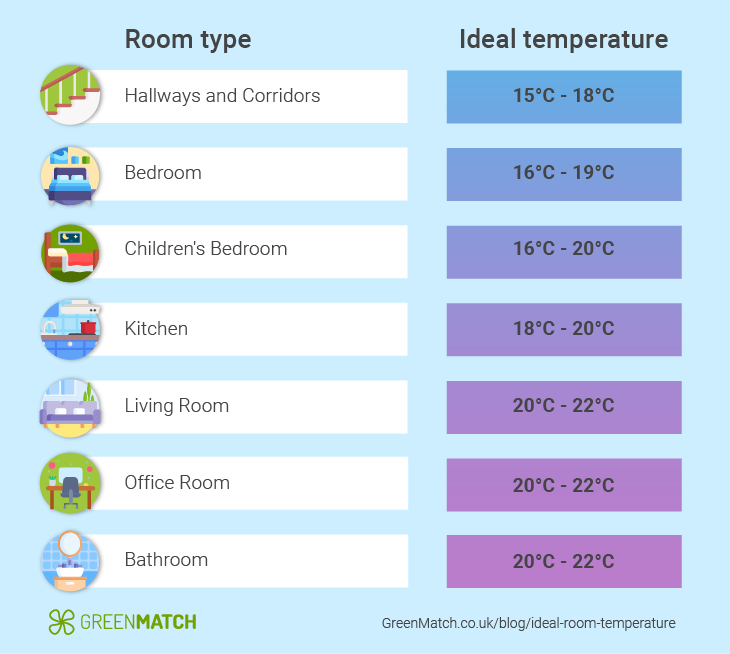
We all have our own personal Goldilocks zone – that sweet spot where it's neither too hot nor too cold, but just right. This pursuit of comfort is why understanding room temperature is so popular. It’s not just about feeling cozy; it’s about creating an optimal environment for various aspects of our lives. Knowing what room temperature truly means, and its common ranges, empowers you in more ways than you might expect.
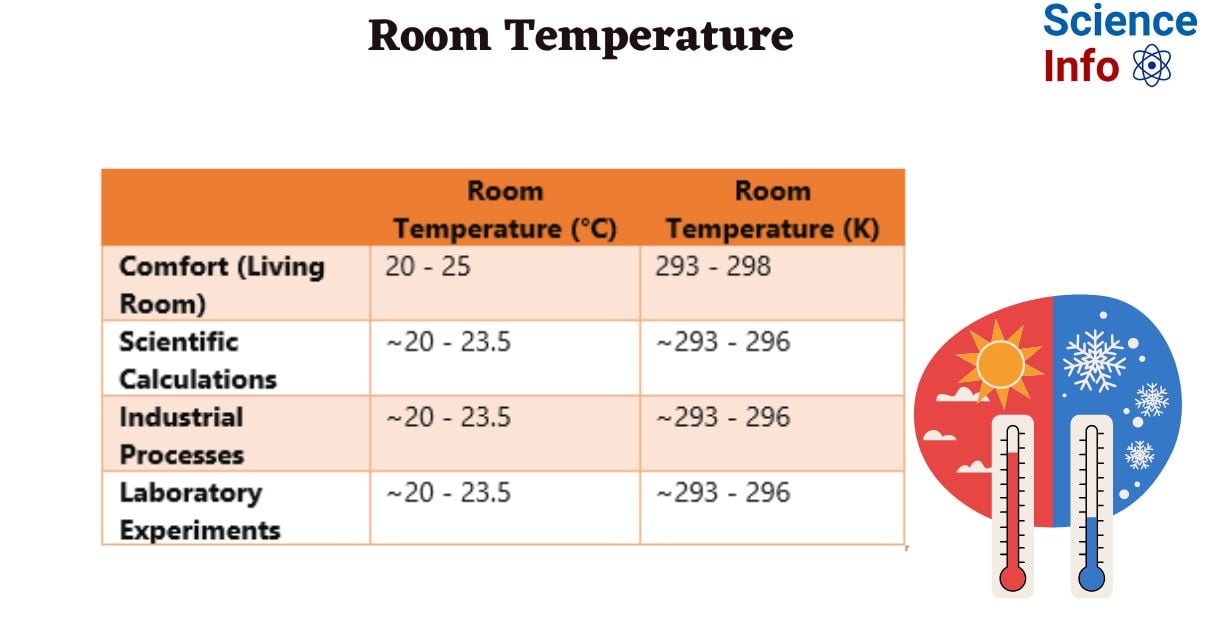
So, what's the big reveal? While there isn't one single, universally agreed-upon number, "room temperature" generally hovers between 20 to 25 degrees Celsius (68 to 77 degrees Fahrenheit). You might hear different figures depending on the context. For instance, in scientific labs, a "standard room temperature" might be specified as 20°C (68°F) or 25°C (77°F) for consistency in experiments. For health organizations or public buildings, the aim is often a comfortable 22°C (72°F).
Must Read
The benefits of nailing this concept are plentiful. For starters, personal comfort is key. Finding your ideal room temperature can significantly improve your focus, productivity, and even your sleep quality. A room that's too hot can make you restless, while one that's too cold can make you shiver through the night.
Beyond personal comfort, room temperature plays a crucial role in food safety. Perishable foods left out for too long at room temperature can quickly enter the "danger zone" (4°C to 60°C or 40°F to 140°F), where bacteria multiply rapidly. This is why recipes emphasize bringing ingredients like eggs or butter to room temperature – it affects texture and how ingredients combine, not just safety. Likewise, knowing the ideal temperature for storing various items, from wine to medications to electronics, can help preserve their quality and extend their lifespan.

Finally, understanding room temperature is vital for energy efficiency. Setting your thermostat just a few degrees higher in summer or lower in winter, within the comfortable room temperature range, can lead to significant savings on your utility bills without sacrificing comfort. It’s a simple way to be more eco-conscious and pocket-friendly.
So, the next time someone mentions "room temperature," remember it's not a rigid decree but a helpful guideline, usually somewhere in that comfortable 20-25°C (68-77°F) range. It's a dynamic concept that helps us fine-tune our environments for comfort, safety, and efficiency, making our lives just a little bit more "just right."