
Residential Electricity Rates In Texas
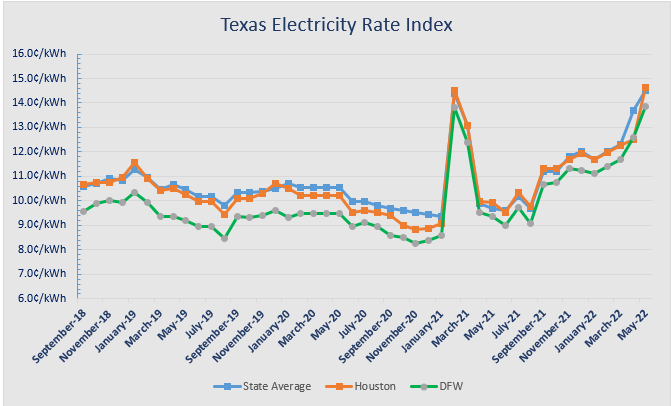
Ah, Texas. A land of wide-open spaces, delicious BBQ, and, let's be honest, some seriously scorching summers. When the mercury climbs past 100 degrees, there's one thing we Texans reach for without a second thought: that glorious, life-saving air conditioning. But keeping cool doesn't just happen; it comes with a price tag, and understanding your residential electricity rates in the Lone Star State can feel a bit like wrangling a steer – exciting, a little challenging, but ultimately rewarding if you know what you're doing.
Here in Texas, we don't just "have" electricity; we have options. Unlike many other states where one utility company rules the roost, a large portion of Texas operates on a deregulated energy market. What does that mean for you? Well, it means you get to pick your power provider! Think of it like choosing your favorite BBQ joint; there are plenty of options, each with its own flavor and price point. This freedom can be fantastic, but it also means you need to be a savvy shopper.
Navigating the Power Playground: Your Choices!
With dozens of electricity providers vying for your business, finding the right plan can seem overwhelming. But don't fret! The key is to understand the types of plans available:
Must Read
Fixed-Rate Plans: These are popular for a reason. You lock in a specific rate per kilowatt-hour (kWh) for the duration of your contract (e.g., 12, 24, or 36 months). It offers price stability, which can be a huge relief when summer bills roll around. You know exactly what you'll pay per unit of energy, no surprises.
Variable-Rate Plans: With these plans, your rate can change month-to-month based on market conditions. They might start low, but they can fluctuate significantly, meaning your bill could jump unexpectedly. Generally, these are riskier and not recommended for long-term use unless you're truly monitoring the market.
Indexed Plans: These rates are tied to a publicly available index, like natural gas prices. They offer a bit more transparency than variable plans but still come with market risk.
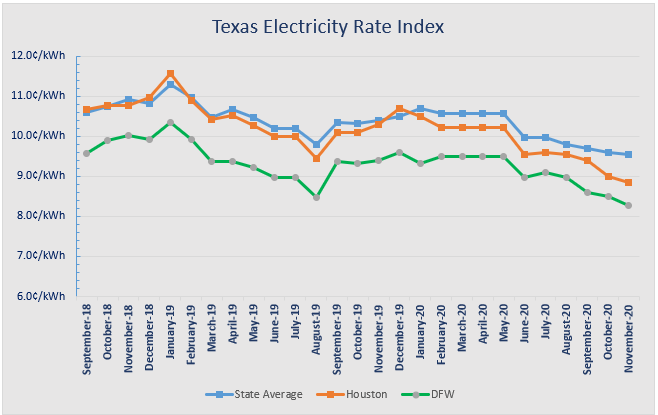
Texas Electricity Rates - Who Has The Cheapest Electricity Rates in 2020
Our practical tip? Always, always, always use the state-mandated website Power to Choose (powertochoose.org) as your starting point. It's designed to help you compare plans side-by-side. But don't just glance at the advertised rate! Dive into the Electricity Facts Label (EFL) for any plan you're considering. This document is your best friend, detailing everything from the energy source to potential fees and your average rate at different usage levels (e.g., 500 kWh, 1000 kWh, 2000 kWh). It’s like reading the fine print on a contract, but for your electricity!
Beyond the kWh: Understanding Your Bill
Your electricity bill isn't just about the "rate per kWh" you see advertised. There are other components:
Energy Charge: This is what you pay your chosen provider for the actual electricity you consume.
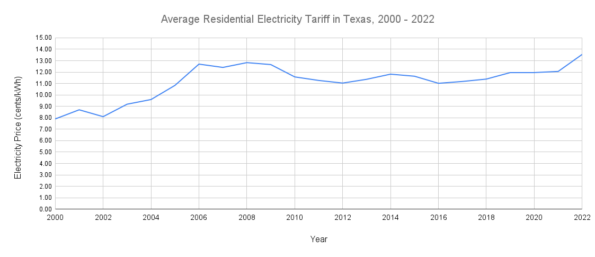
Electricity Cost Trends in Texas | Quick Electricity Blog TDU Charges (Transmission and Distribution Utility): These are charges from the local utility company (like Oncor or CenterPoint) that maintains the poles and wires that deliver electricity to your home. These charges are the same no matter which retail provider you choose – they're regulated and unavoidable. They often include a fixed monthly charge and a per-kWh charge.
Taxes and Other Fees: Standard stuff, including state and local taxes, and sometimes a regulatory fee.
When you look at your EFL, pay close attention to the "average price per kWh" for different usage tiers. Many plans offer bill credits or tiered rates that make the average price much lower at certain consumption levels. If you consistently use around 1000 kWh per month, make sure you're looking at the average rate for that usage level, not just the lowest advertised number!
Cool Tips for a Cooler Bill
Saving money on electricity isn't just about picking the right plan; it's also about smart usage:
Set Your Thermostat Wisely: During those brutal Texas summers, every degree counts. Aim for 78°F when you're home and even higher (80-82°F) when you're away. A smart thermostat can make this effortless.
Seal the Leaks: Drafty windows and doors are like an open invitation for your AC to work overtime. Caulk, weatherstripping, and even heavy curtains can make a big difference.
Go LED: If you haven't already, swap out incandescent bulbs for energy-efficient LEDs. They use significantly less energy and last ages.
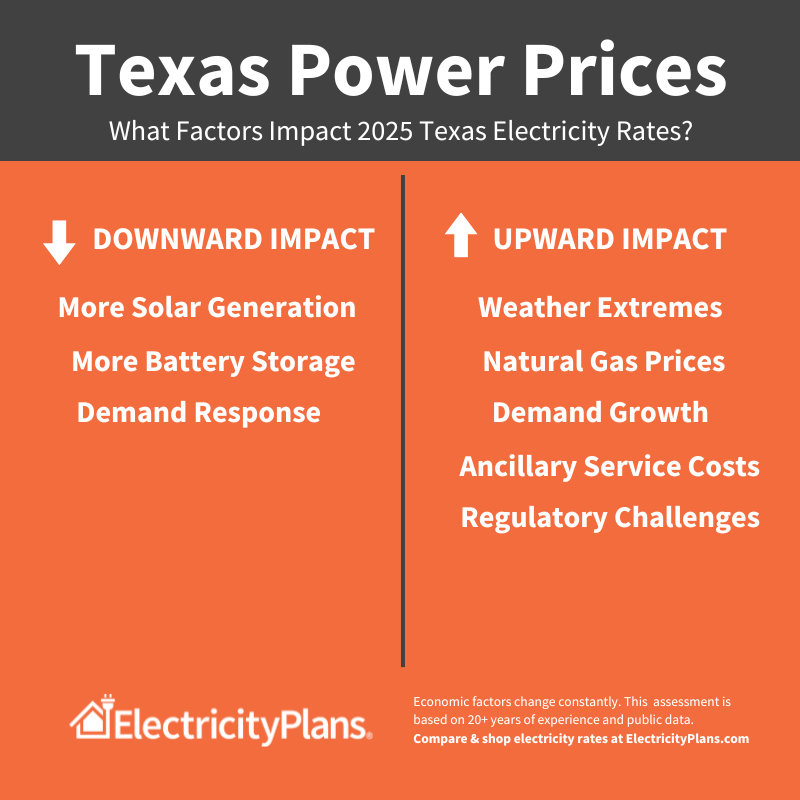
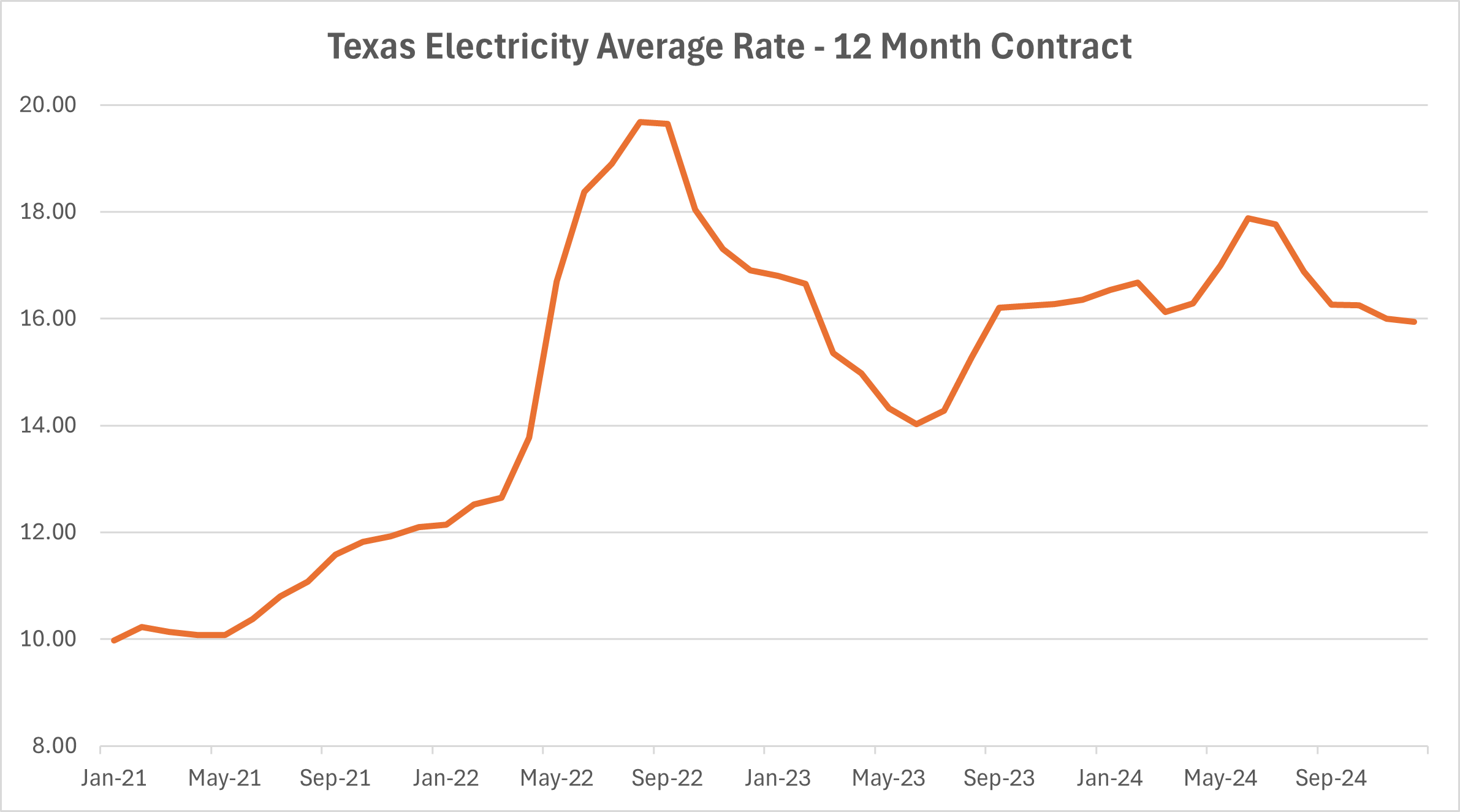
Texas Electricity Rate Trends & Price Forecast for 2025 Unplug "Energy Vampires": Electronics like phone chargers, TVs, and coffee makers still draw power even when turned off. Unplug them or use power strips you can switch off.
Consider a Home Energy Audit: Many utility companies or independent services offer these. They can pinpoint exactly where your home is losing energy, saving you bundles in the long run.
Fun fact: Texas leads the nation in wind power generation, and solar is rapidly growing! So, when you flip that switch, there's a good chance you're tapping into some serious renewable energy power, keeping our Texas air a little cleaner, too.
Navigating Texas electricity rates might seem daunting at first, but with a little research and some smart habits, you can absolutely take control. It’s about more than just a bill; it’s about empowering yourself to make choices that impact your comfort, your wallet, and a little piece of our great state. So go ahead, kick back, enjoy that perfectly chilled sweet tea, and know you've got this handled.