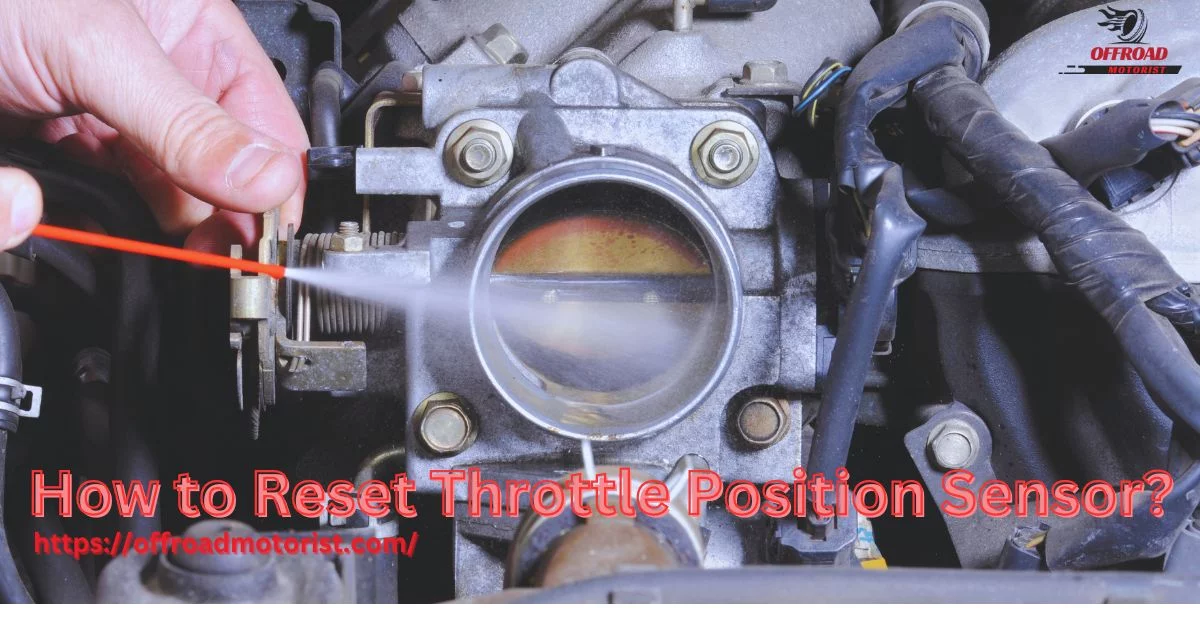
Reset Throttle Position Sensor
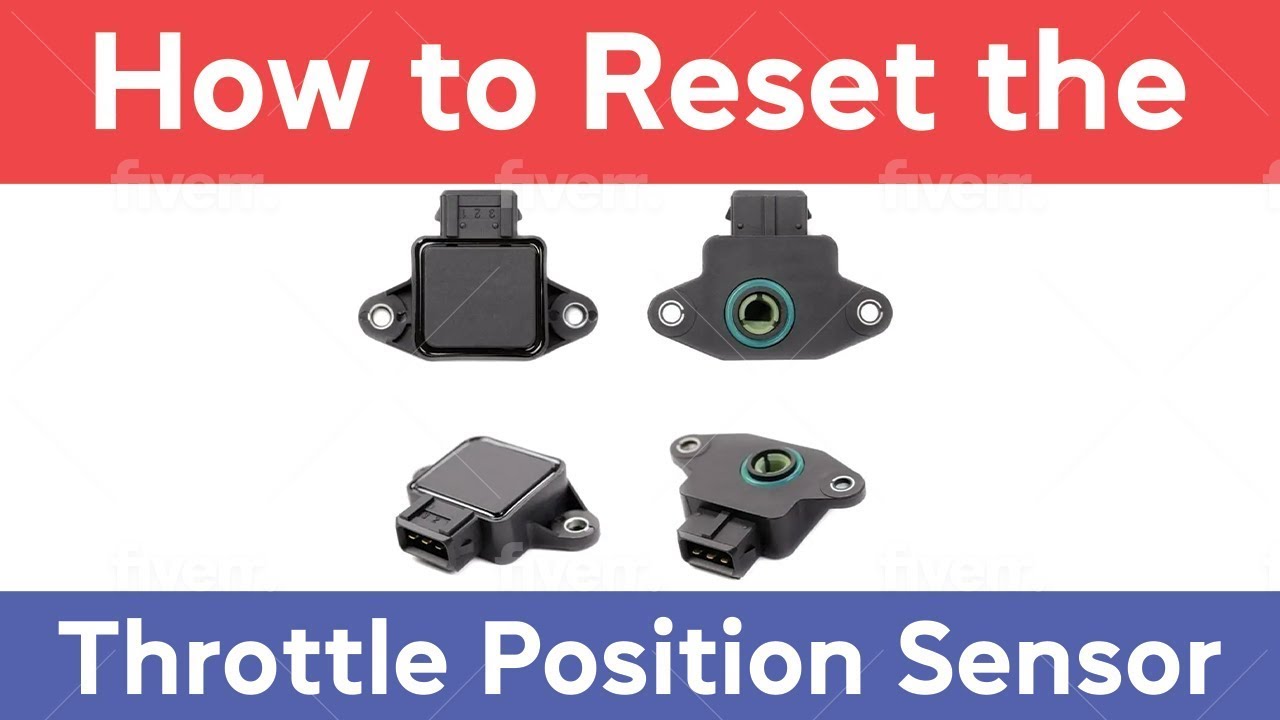
Ever feel like your car has a mind of its own? Like it's arguing with you about how fast to go? Yeah, me too. Sometimes, that little disagreement isn't a battle of wills; it's your Throttle Position Sensor (TPS) throwing a tantrum. Think of it as the whiny kid in the back seat constantly asking, "Are we there yet?" but instead of distance, it's about how much you’re pressing the gas pedal. And just like that kid, sometimes it needs a reset.
So, what is this TPS thing anyway? Well, in the simplest terms, it's a sensor that tells your car's computer (the ECU, or Electronic Control Unit – basically the car's brain) how far open your throttle is. The throttle is that flap thingy that controls how much air gets into the engine. More air, more fuel, more vroom! The TPS ensures the car knows if you're gently caressing the pedal or slamming it down like you're auditioning for a Fast & Furious movie.
Why Reset It? The Case of the Confused Sensor
Now, imagine you've been telling your friend that your birthday is on the 15th for years, but then you suddenly change it to the 20th. They'd be confused, right? Your car's ECU is the same way. Over time, the TPS can get…well, a bit off. This can happen because of wear and tear, cleaning the throttle body (which, let’s be honest, most of us neglect like flossing regularly), or even just the passage of time. Think of it like your car's version of needing reading glasses.
Must Read
When the TPS is out of whack, it can send the ECU incorrect information. This can lead to a whole host of annoying problems, like:
- Rough idling: Your car sounds like it's about to stall at every stoplight. It's the automotive equivalent of clearing your throat every five seconds.
- Hesitation or stalling: You press the gas, and…nothing. Or worse, it stalls! It's like asking someone a question, and they just stare blankly back.
- Poor fuel economy: You're filling up your gas tank more often than your coffee cup. Nobody wants that!
- Jerky acceleration: Your car lurches forward like a rookie driver learning to use a clutch.
- Check Engine Light: The dreaded "Check Engine" light comes on, mocking you with its glowing orange disapproval.
These are all signs that your TPS might be having a mid-life crisis and needs a serious talking-to, or, you know, a reset.
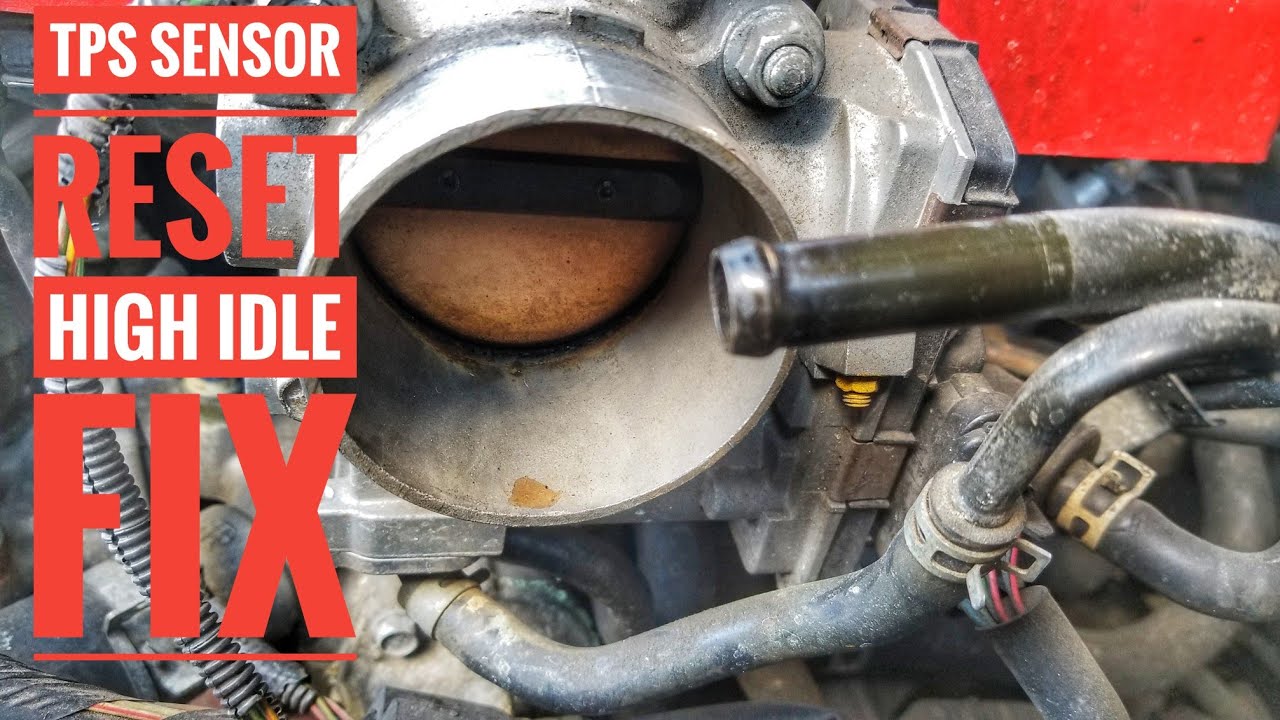
The Reset Button: Not as Dramatic as It Sounds
Resetting the TPS sounds intimidating, like you're dismantling a nuclear reactor. But, relax! It's usually much simpler than that. The exact process varies depending on your car's make and model, so consult your owner's manual or a reputable online resource like YouTube for specific instructions. Seriously, YouTube is your friend here. There are tutorials for everything!
Generally, the process involves one of two methods:

- The Disconnect Method: This is the automotive equivalent of turning it off and on again. Disconnect the negative battery cable for a set amount of time (usually 15-30 minutes) to reset the ECU. This clears the stored TPS data. Then reconnect it and let the car idle for a bit so it can relearn the correct TPS values.
- The Driving Cycle Method: This involves performing a specific sequence of driving maneuvers that help the ECU relearn the TPS parameters. Again, check your owner's manual for the exact driving cycle for your car.
Think of the driving cycle like teaching your dog a new trick. You have to repeat the commands and reward the correct behavior until it sticks. The ECU is the dog, and the TPS data is the trick. Just try not to reward your car with dog treats.
When to Call in the Pros: Know Your Limits!
While resetting the TPS is often straightforward, there are times when you should throw in the towel and call a professional mechanic. If you're uncomfortable working on your car or if the problem persists after attempting a reset, don't hesitate to seek expert help. Sometimes, the TPS itself might be faulty and need replacing, or there might be a more complex issue at play. Know when to say when. Tinkering too much can lead to bigger (and more expensive) problems.
So, there you have it! Resetting your TPS might just be the automotive equivalent of a good night's sleep – a simple fix that can make a world of difference. Happy driving!