
Replacing Smoke Detectors Hard Wired
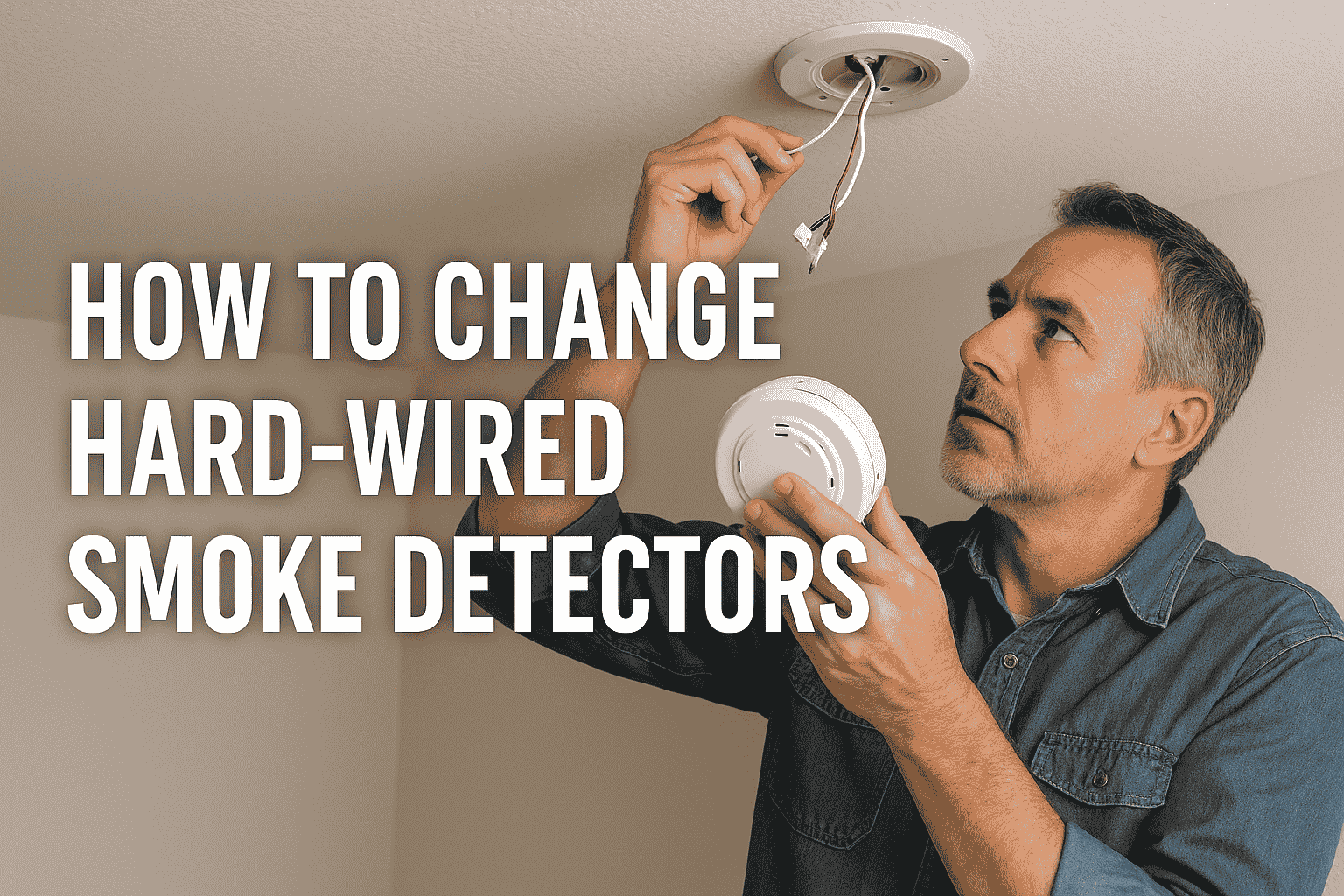
Ah, the humble smoke detector. It sits there, quietly judging your burnt toast and forgotten dinners, until one day… the chirp. You know the one. That ear-splitting, soul-rattling, battery-dying lament that always seems to kick off at 3 AM. It's the house's way of saying, "Hey, remember me? I exist, and I need attention!"
For years, we've all played the same game: grab a ladder, pop out the old 9V battery, shove in a new one, and bask in the blissful silence. Rinse, repeat, every six months or so. It’s like a secret handshake among homeowners, a rite of passage. But then, you stumble upon a new level of adulting, a boss battle if you will: the hardwired smoke detector.
Suddenly, that familiar chirp isn't quite as easily silenced. You climb the ladder, ready for your routine battery swap, only to find... no battery compartment. Or worse, you swap the battery, and the darn thing still chirps! It’s like the detector is giving you a mischievous wink, saying, "Nice try, amateur."
Must Read
This, my friends, is where the plot thickens. Many homes, especially newer ones, have smoke detectors that aren't just battery-operated. They're wired directly into your home's electrical system, often with a battery backup just for good measure. Think of it as the difference between a flip phone and a smartphone. One just takes a battery, the other is an intricate part of a larger network.
So, why hardwired? Well, for one, they're generally considered more reliable. They're always getting juice, so unless your power goes out, they're on duty. Plus, they're often interconnected. If one detects smoke, they all scream. It’s like a neighborhood watch program for your ceilings, ensuring no one misses the alarm, even if the smoke is starting in the basement.
But when it’s time to replace them (because yes, they have an expiration date, usually 10 years, like a carton of milk you completely forgot about), it can feel a tad more intimidating than just a battery swap. You're not just dealing with a tiny square battery anymore; you're dealing with electricity. Gulp.
The Great Unplugging: A Journey of Discovery
Your first step, after accepting your fate, is to find your electrical panel. This is where the real fun begins. You'll stare at a dozen or more labels, none of which explicitly say "Smoke Detectors." It's more of a guessing game, a thrilling scavenger hunt. Is it "Upstairs Lights"? "Master Bedroom"? "Mystery Circuit X"? You flip a breaker, hoping for the best, and then race upstairs like an Olympic sprinter to see if the detector has gone quiet. If not, you return, repeat, and develop a newfound respect for electricians.
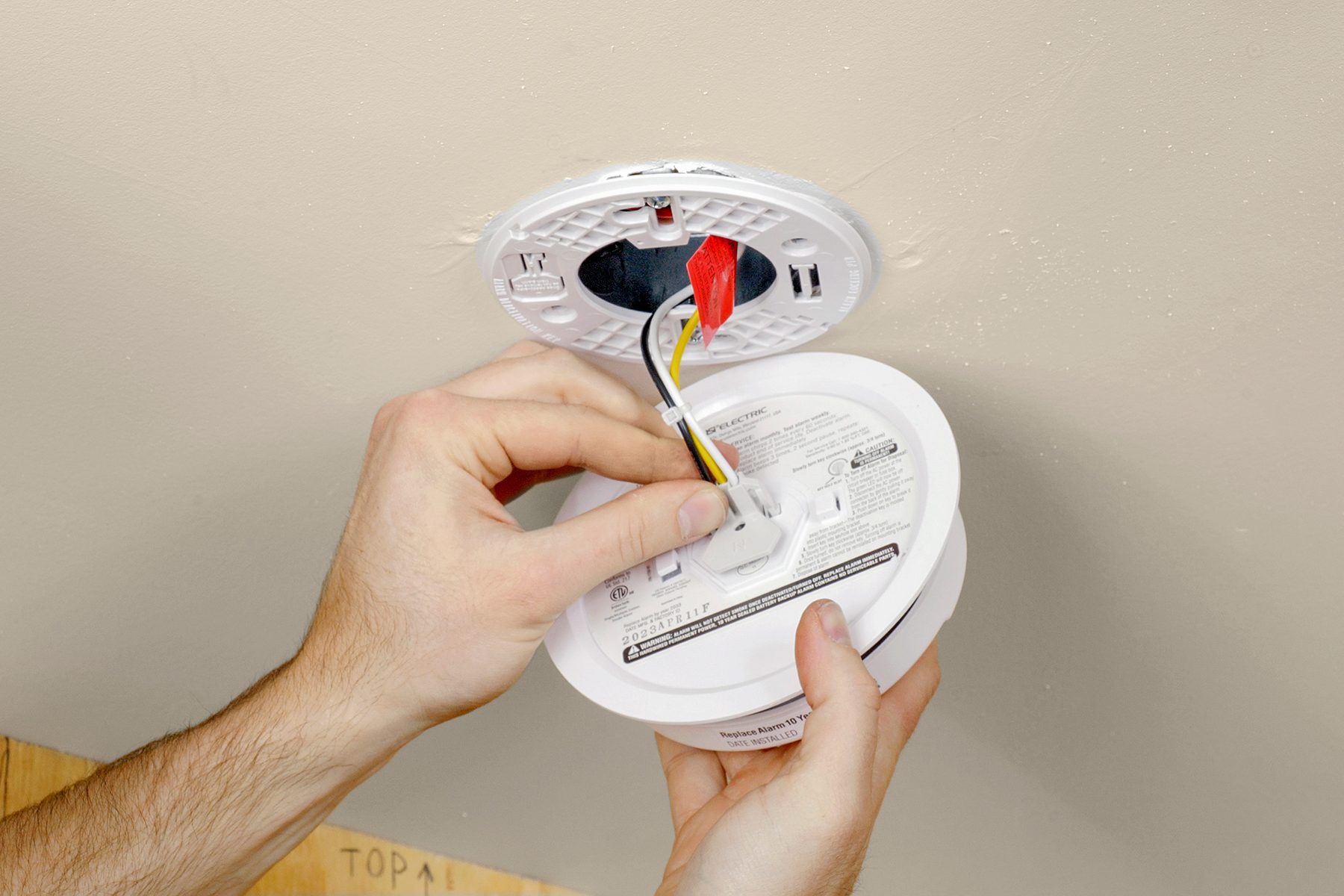
Once you've identified the correct breaker – and trust me, there's a small victory dance involved – you'll want to unplug the old detector. They usually have a small wiring harness that twists off. It's surprisingly simple, like unplugging a lamp, but with a lot more tension because, you know, safety first.

Then comes the moment of truth: the shopping trip. You'll likely need to replace your old detectors with new ones that have the same wiring harness. Or, if you're feeling adventurous (and handy), you might buy ones that require a quick snip and twist of some wires. Just remember the golden rule: match colors, like an adult coloring book, but with higher stakes.
The Ladder Tango and the Sweet Sound of Silence
Armed with your new detector, a screwdriver, and a healthy dose of determination, you'll embark on the ladder tango. Holding the detector, the wires, and a screwdriver while balancing on a wobbly ladder is an art form. You'll contort your body in ways you didn't know were possible, all to connect those precious wires. Red to red, black to black, maybe a white, maybe a yellow. It's like a DIY puzzle, but upside down and overhead.

After a few grunts, possibly a dropped screw, and a successful connection, you'll twist the new detector onto its base. Then, the moment of truth: flip the breaker back on. If you did it right, the detector will usually give a satisfying beep or two as it powers up. No smoke, no fire, just a triumphant little chirpy sound of success.
Give it a test by pressing the "test" button. Brace yourself, because those things are LOUD. It's a jolt to the system, a reminder of why they're there. But once that cacophony fades, you'll be left with a beautiful silence. The kind of silence that only comes after successfully battling a persistent electronic demon.
Replacing hardwired smoke detectors might seem like a daunting task, a step above your usual home maintenance. But honestly, it’s not rocket science. It’s more like advanced Lego for adults. And when you’re done, you get that glorious feeling of accomplishment, knowing your home is safer, and that 3 AM chirp won't be haunting your dreams for another ten years. You've officially leveled up in the game of homeownership. Go on, give yourself a pat on the back – you've earned it!
