Replacing Battery In First Alert Smoke Alarm

Ah, the smoke alarm. For many, it’s a humble, often overlooked sentinel perched high on a wall or ceiling. But when it lets out that dreaded, intermittent chirp, it suddenly commands our full attention, doesn't it? This isn't just about silencing an annoying sound; it’s about a little act of domestic heroism that ensures the silent guardian of your home remains ever vigilant. Embracing this small chore isn't about enjoying the chirp itself, but about savoring the profound peace of mind that comes from knowing your household is protected by a fully functional early warning system.
The benefits of a well-maintained smoke alarm are, quite simply, immeasurable. It's the unsung hero that stands between you and potential disaster. Imagine waking up to the smell of smoke, but only after flames have taken hold. Now imagine your First Alert alarm blaring its urgent warning at the very first sign of trouble, giving you and your loved ones precious minutes to evacuate safely. This isn't just a gadget; it's a lifeline. It ensures that dinner experiments gone awry don't turn into major emergencies, that an electrical fault doesn't go unnoticed, and that your family can sleep soundly, confident in their safety net. It’s the constant, silent promise that someone’s always on watch.
Smoke alarms are truly everywhere, weaving into the fabric of our everyday safety. You'll find them diligently guarding bedrooms, ensuring you wake if trouble arises during the night. They stand sentry in hallways, linking different parts of your home, and are often strategically placed near kitchens, where many small fires begin. Different types cater to different needs – photoelectric for smoldering fires, ionization for fast-flaming ones, and combination units offering broad protection. Most First Alert models, being widely adopted, often use a standard 9-volt battery, making their maintenance a familiar, accessible task for countless homeowners.
Must Read
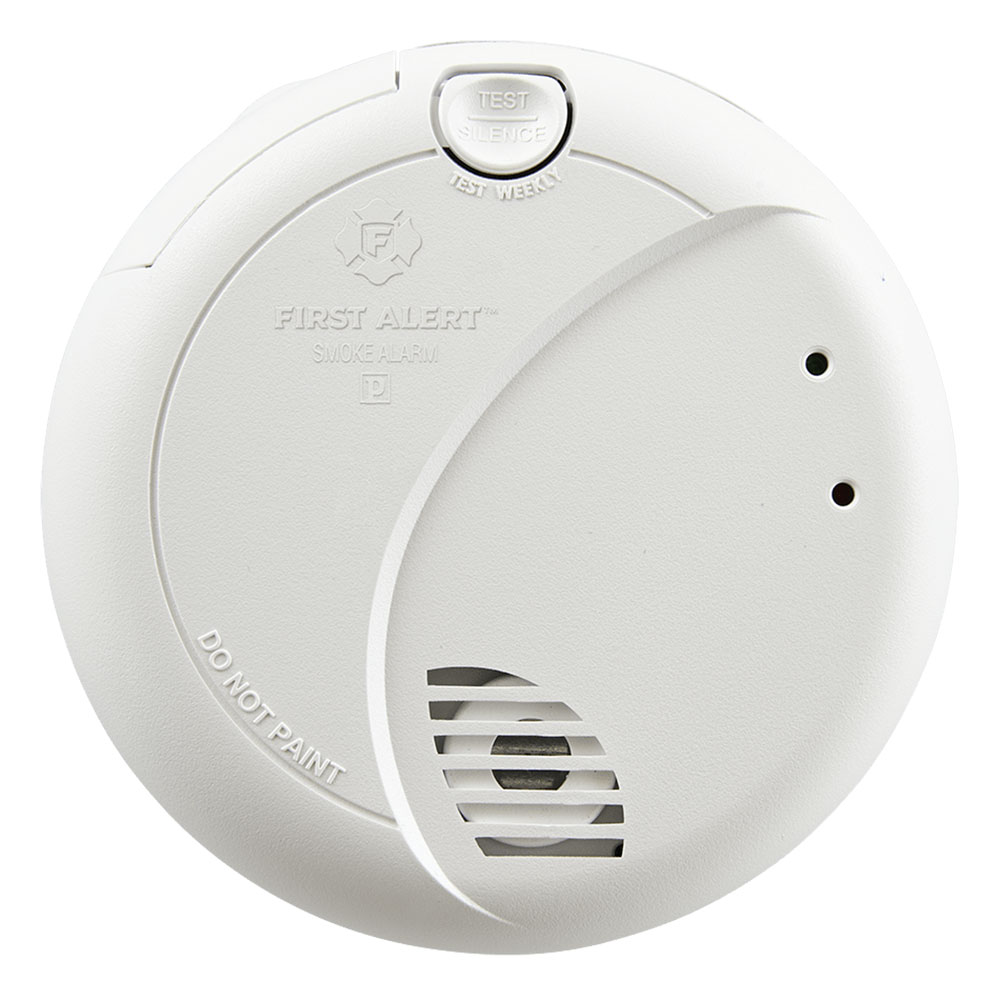
So, how do we "enjoy" this vital ritual more effectively? When that persistent chirp begins, don’t just groan; seize the moment! Firstly, identify the offending unit – sometimes it’s tricky! Have a fresh 9-volt battery (or whatever specific battery your First Alert model requires; check the back!) ready. A sturdy step stool is your friend. Most First Alert alarms are designed to easily twist off their mounting bracket or have a simple latch to access the battery compartment. Gently twist the alarm counter-clockwise or unclip the compartment. Carefully remove the old battery, noting its polarity, then insert the new one, ensuring it clicks firmly into place. The key, the absolute non-negotiable step to truly “enjoying” this process, is the TEST BUTTON. Once the new battery is in, firmly press and hold the test button. You should hear a loud, clear alarm – that's the sound of success! Reattach the alarm to its bracket, and breathe a sigh of relief. Make it a habit to test your alarms monthly and replace batteries annually, perhaps when you change your clocks for daylight saving. This simple, satisfying act of replacing a battery isn't just silencing a nuisance; it's reactivating your home's most important guardian, ensuring your peace of mind is always fully charged.