Replacing Batteries In Ac Thermostat

Have you ever looked at your AC thermostat, that unassuming box on the wall, and wondered how it actually works? It’s often one of those "set it and forget it" devices, silently orchestrating your home's comfort. But what happens when it suddenly goes blank, or worse, stops responding to your commands, leaving you either sweltering or shivering? Before you panic and call a pricey technician, there's a good chance the solution is incredibly simple, surprisingly empowering, and even a little bit fun to learn: replacing the batteries. Yes, many digital thermostats, even wired ones, rely on batteries for their core functions, and understanding this little secret is like unlocking a minor household superpower.
The primary purpose of these batteries isn't to power the entire HVAC system – that comes from your home's electrical grid – but rather to keep the thermostat's digital brain alive. They power the display, hold your programming settings even during a power outage, and enable it to communicate with the furnace or air conditioner. For smart thermostats, they might also keep the Wi-Fi module active or power motion sensors. The benefits of a simple battery swap are immense. Firstly, it prevents unexpected system shutdowns or erratic temperature control, ensuring your home remains consistently comfortable. Secondly, it saves you from potentially expensive service calls for a problem you can fix in minutes with a screwdriver and a couple of AAAs. It's a small act of proactive maintenance that contributes to your home's overall efficiency and your peace of mind.
In our daily lives, this knowledge becomes incredibly useful. Imagine waking up to a blank thermostat screen on a chilly morning, or coming home to a house that feels distinctly un-air-conditioned. Your first thought might be a major system failure, but by knowing about the batteries, you can quickly diagnose and solve the problem. It’s also a great example in "education" – not just for kids learning about basic electronics and power sources, but for anyone embracing a bit of practical homeownership. It teaches us to question assumptions, to look for the simple solutions first, and to understand that even complex-looking devices often have very straightforward operational needs. It's a miniature lesson in problem-solving and self-reliance.
Must Read
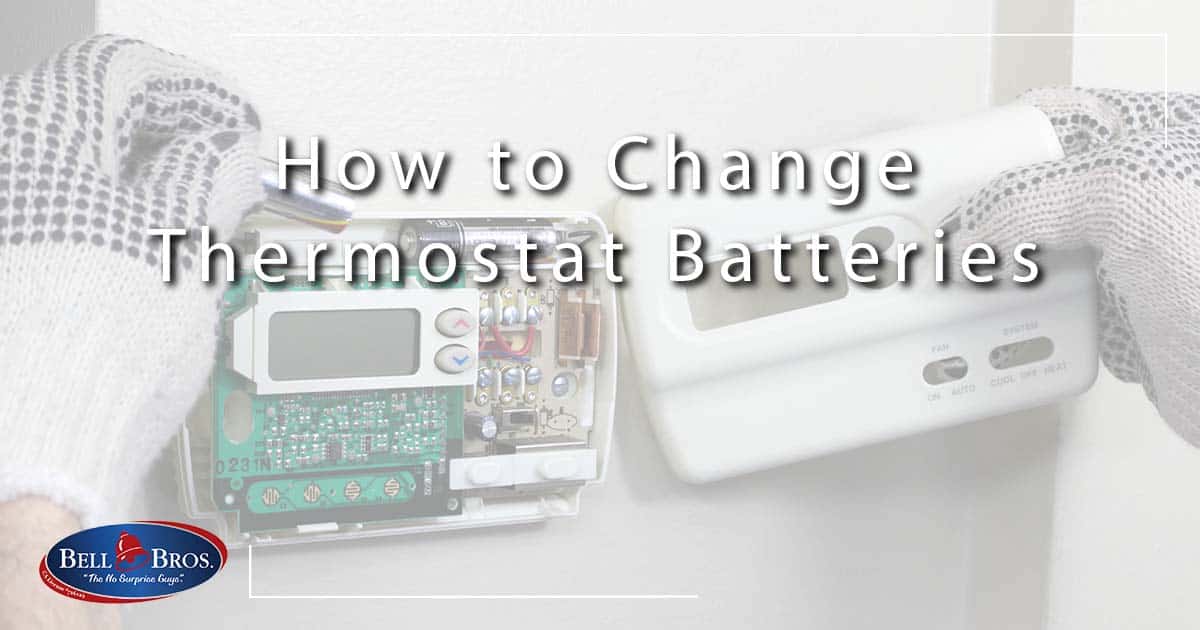
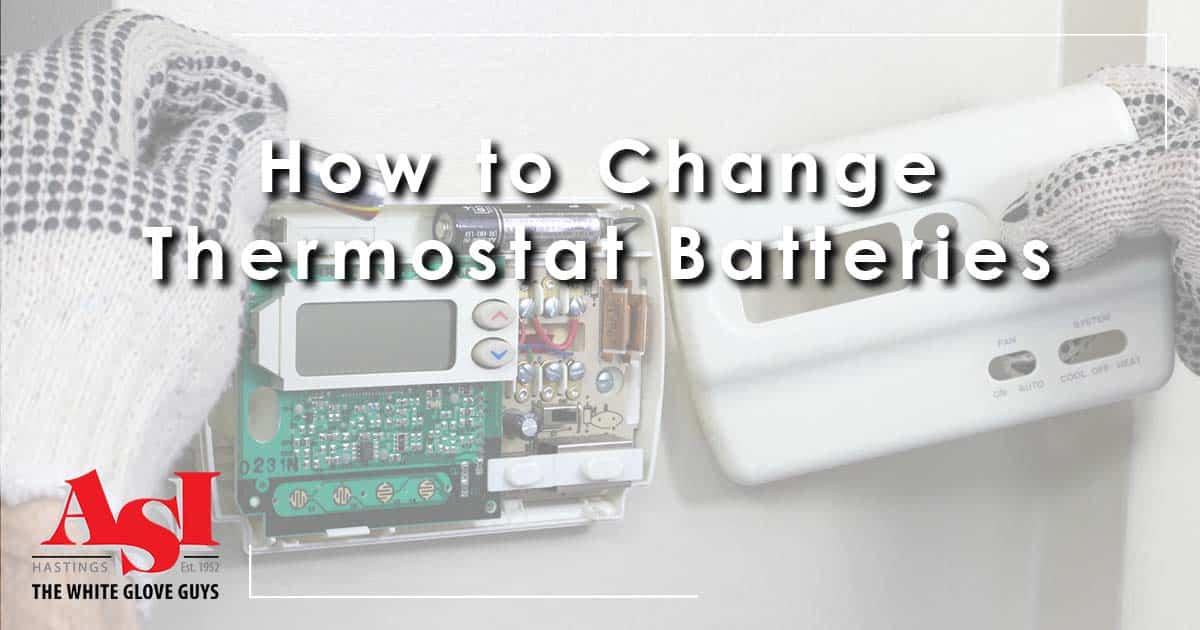
Ready to explore this tiny marvel? Here are some practical tips. First, locate your thermostat's battery compartment. It's usually a small door on the side or front, or sometimes the entire front plate pulls away to reveal the batteries within. Don't be afraid to gently pull; many are designed for easy access. Most thermostats use standard AA or AAA batteries, though some older or specific models might use C batteries or even coin cells. It's a good habit to replace them annually, perhaps when you change the batteries in your smoke detectors, or certainly when a "low battery" indicator appears on the screen. Always use fresh, good-quality alkaline batteries for best performance. To really explore, try taking a photo of your thermostat model and searching online for its manual – you'll often find specific instructions and even diagrams for battery replacement. It's a minor domestic chore, but one that comes with a satisfying sense of accomplishment and a cozy home environment.