Removal Of The Sutton Place Hoa Dam In Garland Texas
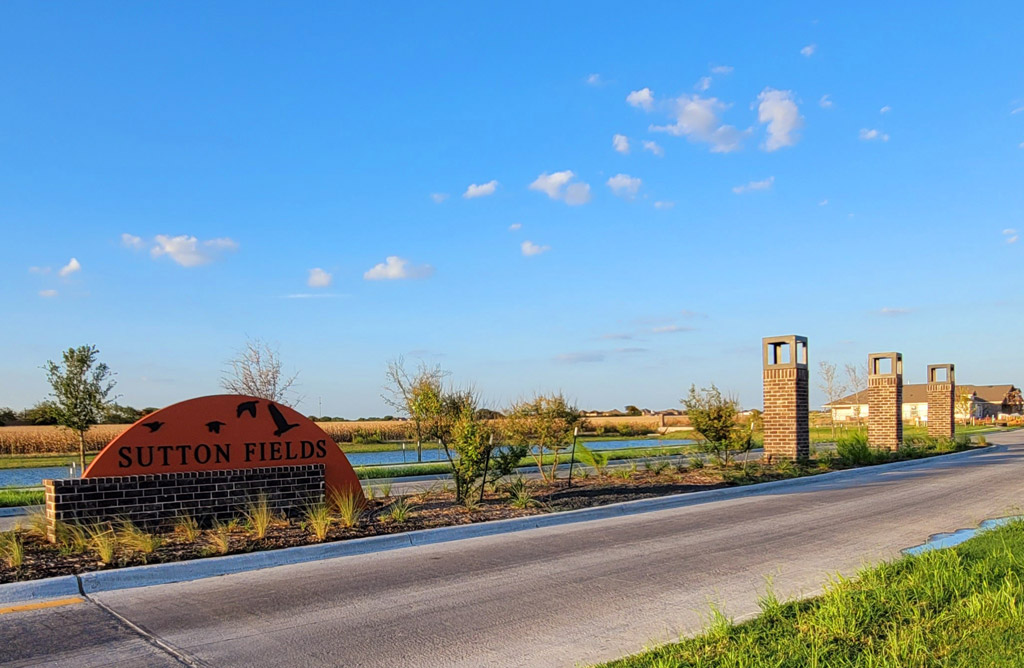
For years, the Sutton Place HOA dam in Garland, Texas, was, let's face it, a bit of a local celebrity – albeit a slightly controversial one. While its primary function was water retention, it unintentionally became a fascinating subject for artists, a challenging landscape for hobby photographers, and an accidental educational resource for those curious about local ecosystems. But with its removal, a new canvas – both literal and metaphorical – has opened up, offering exciting opportunities for creative exploration and learning.
The removal of the dam has unlocked a hidden world, transforming what was once a static water feature into a dynamic, ever-changing landscape. This shift benefits artists and hobbyists in several ways. Firstly, the exposed creek bed offers a diverse range of textures and colors, perfect for landscape painting and drawing. Think earthy tones, the glint of sunlight on newly revealed rocks, and the vibrant greens of burgeoning plant life. This is a far cry from the relatively uniform surface of a ponded area.
Photographers also gain a huge advantage. Instead of capturing just the still surface of the water, they can now experiment with capturing the flow and movement of the creek. Long exposure shots can create dreamy, ethereal effects, while close-ups can reveal the intricate details of the exposed riverbed. The shifting light and shadow, playing across the ripples and pebbles, present endless possibilities for stunning imagery.
Must Read
Furthermore, the restoration project has inadvertently created a living laboratory for casual learners. Observing the regrowth of native plants and the return of local wildlife provides a hands-on understanding of ecological processes. Birdwatchers, in particular, will find new species attracted to the revitalized habitat. It’s a chance to witness nature's resilience firsthand.
Consider these examples. Artists could explore the Impressionist style, focusing on capturing the fleeting light and reflections on the water and surrounding foliage. Another approach could be creating abstract representations of the creek, emphasizing texture and form over literal depiction. Photographers might experiment with black and white photography to highlight the contrasting textures of the rocks and water, or use a macro lens to reveal the intricate details of tiny aquatic creatures.

Want to try capturing the post-dam landscape at home? Start small! Focus on observing the details: the colors, textures, and shapes that catch your eye. Take pictures with your phone or sketch in a notebook. Don’t worry about perfection; just enjoy the process of observation and creation. Try different art materials – watercolors, pencils, even found objects – to express your unique perspective.
Finally, the most enjoyable aspect of engaging with this transformed landscape is the sense of discovery. It's about witnessing change, learning about the environment, and expressing your creativity in a unique and meaningful way. The removal of the Sutton Place HOA dam isn't just an engineering project; it's a chance to connect with nature and find inspiration in the unexpected beauty of a revitalized ecosystem. It's a new beginning, both for the environment and for the artists and enthusiasts who seek inspiration within it.