
Recommended Carbon Monoxide Detector Locations
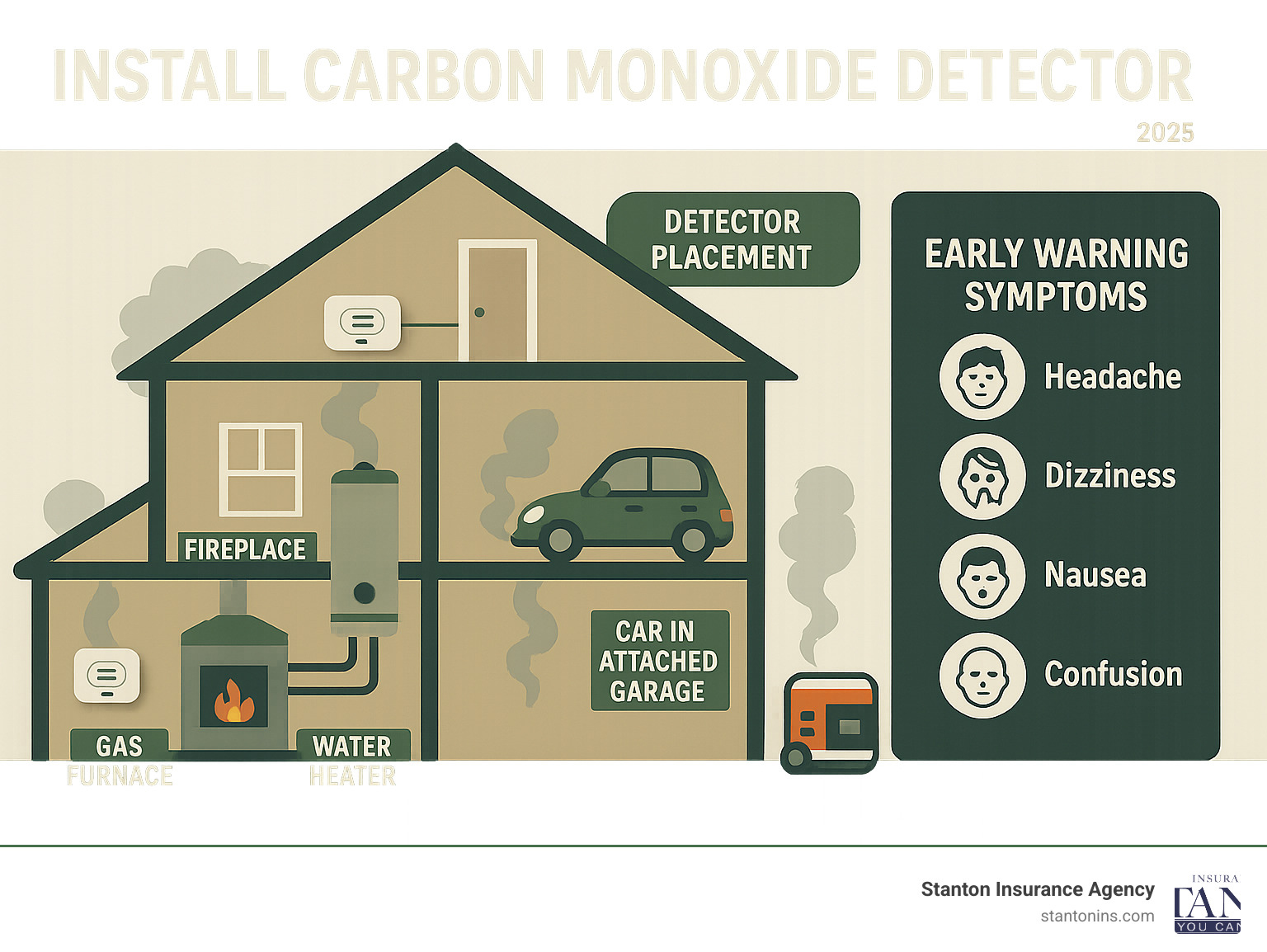
Alright, superstar home protector! Are you ready to talk about giving that sneaky, invisible villain known as Carbon Monoxide (or CO for short) a serious run for its money?
This gas is like the ultimate ninja: silent, odorless, colorless, and super dangerous. But guess what? We're going to arm your home with the most valiant guardians – CO detectors!
Forget boring instruction manuals! We're on a quest to transform your living space into a fortress of safety, all while keeping it light and fun. Let's dive into where to strategically place these heroic little devices to catch that gas ghost before it even thinks about crashing your party.
Must Read
Every Level, Every Time!
Think of your home like a magnificent, multi-layered cake (a delicious, safe cake, of course!). You wouldn't frost just one layer, would you? Nope! Every single level of your amazing abode needs a CO detector.
That means the basement where movie nights happen, the main floor buzzing with daily life, and the serene second floor where dreams are made. Even if you just store forgotten treasures in the attic, if it’s accessible, it needs protection too!
No floor should feel left out of the safety party! CO doesn't care about your home's layout; it simply floats around, so we need to be ready for it everywhere.
"Safety isn't just for the main event; it's a full-house production!"
Bedrooms: Your Sleepy Sanctuaries
This is where the magic happens – the dreaming, the recharging, the glorious slumber! Because CO can creep in while you're completely oblivious, your bedrooms are prime real estate for a detector.
Ideally, you want one inside or right outside every sleeping area. Imagine a tiny, vigilant guardian angel, standing watch over you while you catch those precious Zs. It's the ultimate peace of mind for your most vulnerable hours.
If you've got multiple bedrooms grouped together, one strategically placed in the hallway near them is a fantastic start. This acts as a watchful sentry for the whole sleeping zone.
But for extra credit (and maximum safety points!), a detector inside each individual bedroom is like giving everyone their own personal, invisible bodyguard. It truly makes your sleep a worry-free zone.

Living Spaces: Where the Fun Happens
Whether it's the epic movie marathon in the living room, the intense board game battles in the den, or the storytelling sessions around the fireplace, your common areas are buzzing with life. You spend a lot of awake time here!
These spots might have lots of airflow, but they're also where you're most active and present. A CO detector here acts like a friendly neighborhood watch, keeping an eye on things while you live your best life.
Think about where your family congregates most often. That comfy couch spot where everyone gathers, the dining table during family meals, or the kitchen island for quick chats – these are all excellent candidates for a detector to join the crew.
Placing one in these central hubs ensures that if any CO decides to wander into your general living area, it'll be spotted quickly. It's about protecting the heart of your home's activity.
Near Fuel-Burning Superstars: Your Appliances
Okay, let's talk about the silent workhorses of your home: the furnace, the water heater, that cozy gas fireplace, or even a gas stove. These are fantastic at making your life comfy and warm, but they're also the most common culprits if CO decides to make an unwelcome appearance.
You absolutely want a detector near these hardworking appliances. We're talking about the same room where they reside, but not right on top of them. Give it a little breathing room, perhaps 5-10 feet away.
Why not too close, you ask? Because these machines sometimes have tiny, normal puffs of emissions when they kick on, which could trigger a false alarm. We want real emergencies only, thank you very much!
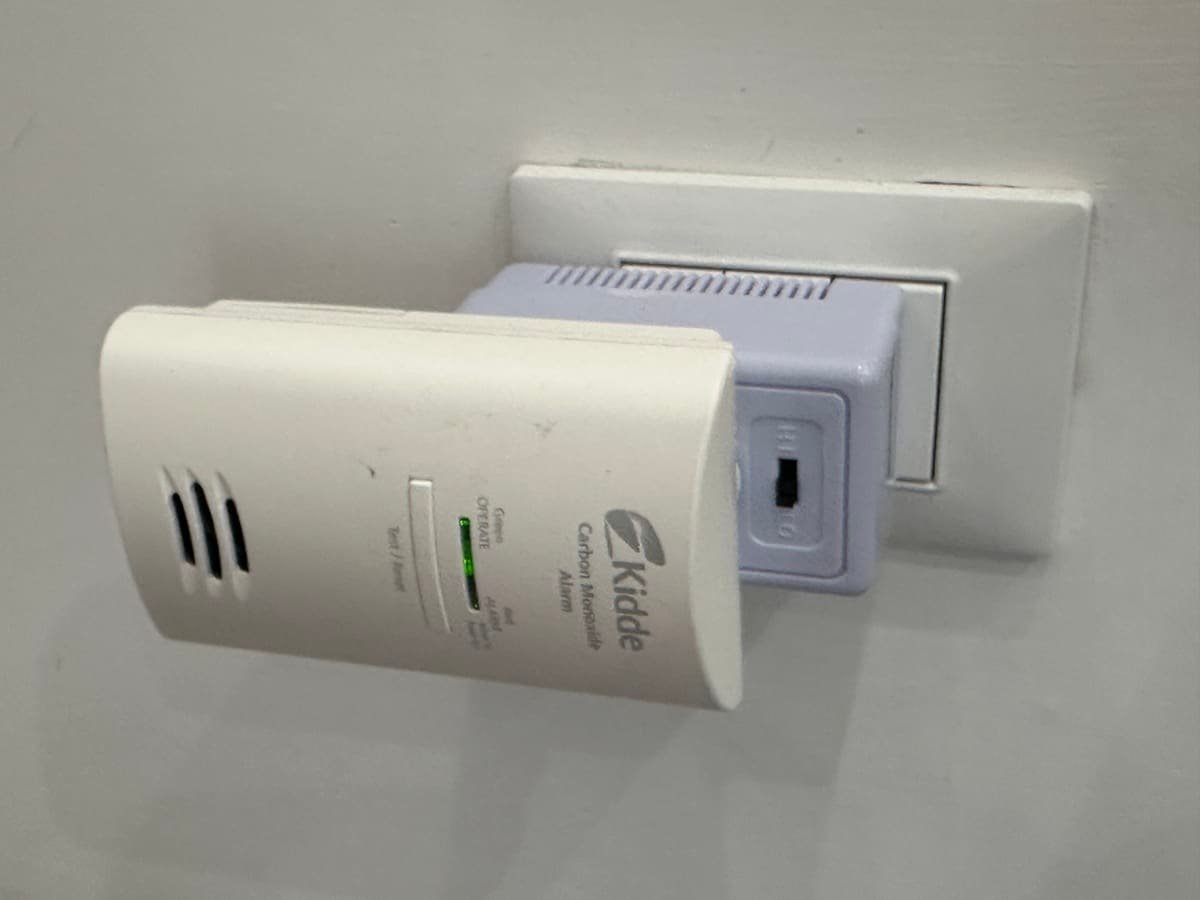
So, position your detector where it can monitor the general air quality of the room, without getting a direct blast from the appliance itself. It's like giving your appliance a watchful sidekick, ready to signal if things go awry.
"Your furnace does a great job, but even heroes need a watchful sidekick, standing at a polite distance!"
The Attached Garage: A Sneaky Entrance
Ah, the garage! Home to your trusty vehicle, tools, and maybe a forgotten box of holiday decorations. If your garage is attached to your home, this is a super important spot to consider for a CO detector.
Even if you only start your car for a split second with the garage door closed, CO can sneakily waft into your living space. We're talking ninja levels of stealth!
So, place a detector right near the door that connects your garage to your house. This acts like a vigilant bouncer, catching any unwanted CO guests trying to slip past the velvet ropes and into your cozy abode.
It's a small step that makes a gigantic difference, safeguarding that common entry point from a potential invisible intruder. Don't let your car's exhaust fumes become an unwelcome house guest!
Basements and Attics: The Hidden Realms
Do you have a finished basement where epic movie nights or gaming marathons happen? Is your furnace or water heater tucked away in that basement? Then absolutely, a CO detector belongs down there!
Basements, especially those with appliances or living spaces, are crucial spots. CO can settle or rise, so having a detector in these lower levels is like having eyes where you might least expect trouble.
And if your attic is more than just dusty storage – perhaps a converted office, a cozy guest room, or even just where your furnace vents – it needs its own vigilant protector too. Remember, CO doesn't care about floor plans; it just wants to spread out wherever it can.

Wherever people (or those hard-working appliances) dwell, that's where CO protection needs to be. No hidden corners or forgotten realms of your home should be left unprotected!
A Few "Don't Do It!" Zones
Just as important as knowing where to put them, is knowing where not to put them. Think of these as the "no-go zones" for your valiant CO detectors, places where they can't do their best work.
Too Close to Vents or Windows
CO detectors are super sensitive, which is great! But strong drafts from heating or cooling vents, open windows, or even exterior doors can mess with their readings. It's like trying to listen to a tiny whisper in a roaring wind tunnel – tough job for our little hero!
Keep them away from direct drafts, giving them a clear, calm airspace to effectively sniff out trouble. We want accurate readings, not just a breezy good time!
Direct Sunlight or Extreme Temperatures
These clever gadgets prefer a stable, comfy environment, just like you prefer comfy temps! Don't place them where they'll bake in scorching direct sunlight or shiver next to a perpetually chilly window.
Extreme temperatures, both hot and cold, can affect their delicate sensors. This can lead to grumpy detectors and potentially inaccurate readings or even shorten their lifespan. Happy detector, happy (and safe!) home!
Behind Curtains or Furniture
Imagine trying to be a superhero but you're constantly stuck behind a heavy curtain or a big, comfy couch. Not ideal for saving the day, right? It totally blocks your view!

Your CO detector needs to be out in the open, with unobstructed airflow, to effectively sniff out trouble. Let it shine and do its important work without any visual (or airflow) impediments!
Near Cooking Appliances
While gas stoves can produce CO, placing a detector too close to the stove itself (like within 20 feet) can lead to false alarms from normal cooking fumes. It's like shouting "fire!" every single time you burn the toast – nobody wants that kind of drama!
So, kitchen placement right next to the stove is generally discouraged unless it's a very large, open-plan space and the detector is far from the immediate cooking zone. Your other strategically placed detectors will catch any serious CO that escapes into the general living areas.
The Power of Placement and Lifetime Limits
Most CO detectors can be installed on the wall or ceiling. For wall-mounted, aim for roughly eye-level or slightly higher, but always, always follow your specific detector's instructions – they're the true experts for their own design!
And remember, these aren't forever gadgets! Most CO detectors have a lifespan of 5-7 years. After that, their sensors get a little tired, like an old superhero whose powers are waning, and become less reliable. It's just a fact of electronic life!
Always check the manufacture date on the back of your detector. When it's time, give your old hero a cheerful send-off and welcome a brand-new, super-vigilant replacement to keep your home fortress safe and sound for years to come!
So there you have it, intrepid home guardian! You're now equipped with the ultimate knowledge to place your Carbon Monoxide detectors like a true pro. You've learned the secret spots and the no-go zones.
Go forth, install with confidence, and enjoy the blissful peace of mind that comes with knowing your home is a super-safe, CO-protected sanctuary. You've got this, and your family will thank you!