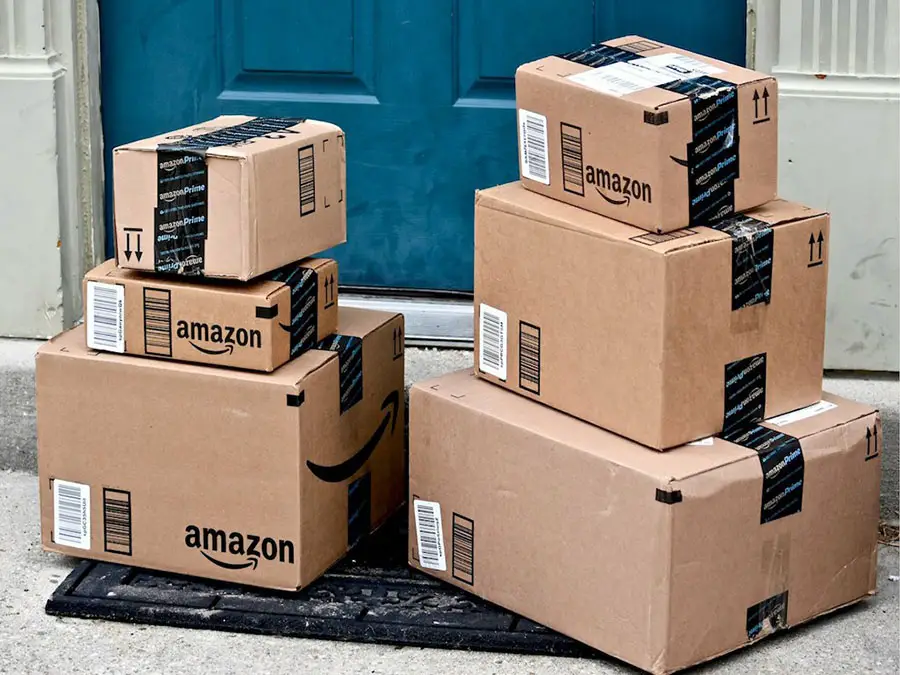
Received Someone Else's Amazon Package
Ever ripped open a package, full of anticipation for that new gadget or book you ordered, only to find... it's not yours? Maybe it's a cat tree you definitely didn't buy, or a very specific brand of industrial-grade lubricant you have no use for. This little scenario, receiving someone else's Amazon package, is becoming increasingly common in our age of instant gratification and bustling e-commerce. It’s more than just a minor inconvenience; it's a curious little quirk of modern life, a mini-mystery that lands right on your doorstep, prompting a moment of both confusion and maybe a little ethical pondering. Let's dive into why this happens and what to do when you become an accidental recipient of someone else's shopping spree.
The "purpose" of understanding this situation isn't just about returning a misdelivered item; it's about navigating a common consumer experience with clarity and responsibility. The primary "benefit" is knowing how to act ethically and efficiently. When you receive a package clearly addressed to someone else, you're faced with an ethical dilemma: keep it, or try to get it to its rightful owner? Understanding the protocols can alleviate anxiety and transform a potentially frustrating situation into an exercise in civic duty. Amazon, for its part, often advises recipients to simply keep the item if it's not easily traceable or worth the return shipping hassle for them. However, for many, the instinct to do the "right thing" prevails, turning us into temporary doorstep detectives.
In our daily lives, dealing with misdelivered packages teaches valuable lessons. It's a practical application of problem-solving skills: identifying the issue, researching solutions (like Amazon's customer service), and executing a plan. For younger people, it's a real-world example of honesty and integrity, prompting discussions about property rights and the difference between "finders keepers" and what's truly ethical. Imagine it as a mini-lesson in logistics and customer service, right at home. You learn about the complexities of shipping, the importance of correct addresses, and the role of customer support in rectifying errors. It even subtly touches on consumer rights and responsibilities, showing how our actions can impact others in the vast network of online shopping.
Must Read
So, what are the practical steps when you find yourself with an unexpected treasure (or trash)? First, don't open it immediately if the name on the label isn't yours. Check the label carefully – is it a neighbor's address? An old tenant? If it's clearly for someone else and not a simple house number mix-up you can fix yourself, the simplest and most recommended approach is to contact Amazon customer service. You can often do this through their website or app. Be prepared with the tracking number and your own address. They might ask you to drop it off at a shipping center, or, quite commonly, they might tell you to keep it or donate it. This is often their policy for lower-value items, as the cost of retrieval can outweigh the item's worth. Whichever path you choose, approaching it with a relaxed, curious mindset can turn a potential annoyance into an interesting real-world experience about how our interconnected world sometimes makes delightful, and sometimes baffling, detours.