Reasons Fire Alarms Go Off

Ah, the fire alarm. That unmistakable, ear-splitting shriek that can turn a peaceful evening into a heart-pounding scramble, often leaving you wondering, "What on earth did I do now?!" While we might not exactly enjoy the jarring interruption, let's be honest: there's a certain quiet confidence these humble devices bring to our lives. They are the silent guardians, always on watch, giving us the invaluable gift of peace of mind. Knowing that a vigilant sensor is constantly sniffing the air for danger allows us to sleep soundly, work diligently, and generally go about our days without constant worry. And for that, despite the occasional fright, we can truly appreciate their unwavering service.
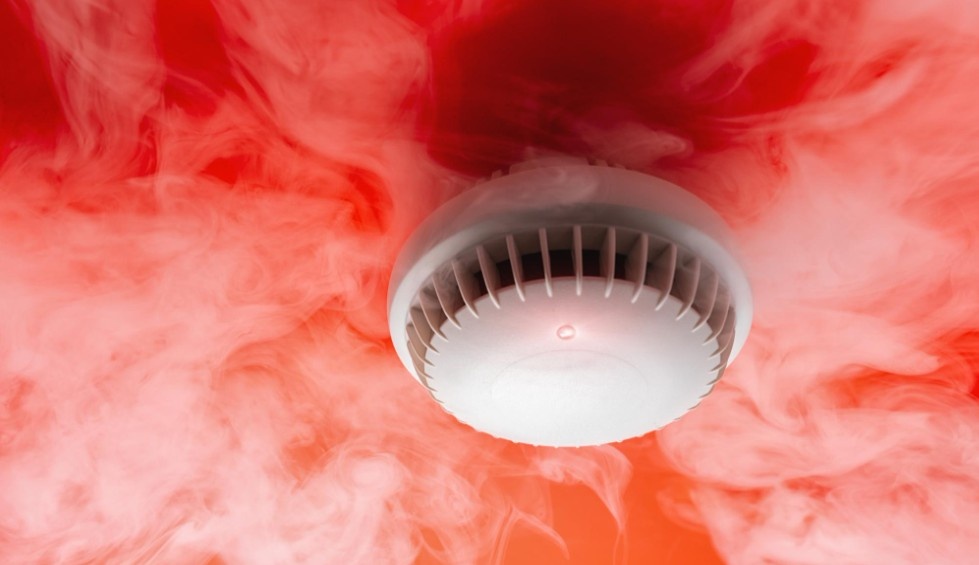
The fundamental purpose of a fire alarm is elegantly simple yet profoundly critical: to provide an early warning of potential danger. In the event of a fire, every second counts. These devices are designed to detect smoke, heat, or carbon monoxide (depending on the type) long before a human might notice, giving occupants crucial time to evacuate safely and for emergency services to respond. This early detection can be the difference between a minor incident and a tragic disaster, saving lives and protecting property. They're not just for industrial complexes or high-rises; fire alarms are mandated in homes, schools, offices, and virtually every public building, making them one of the most widespread and effective safety tools in modern life.
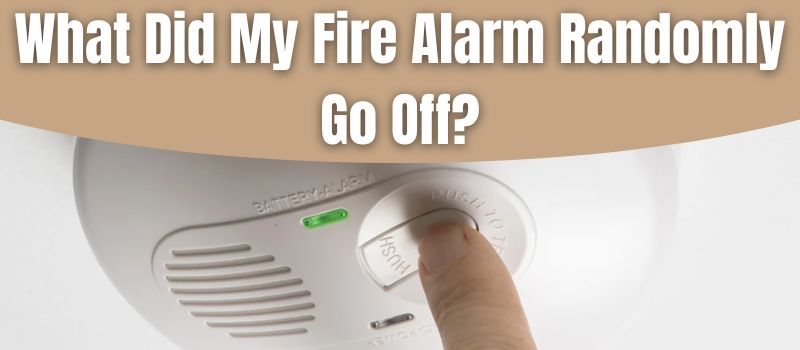
So, if they're such vital lifesavers, why do they so often seem to go off for no apparent reason? Understanding the common culprits can help us avoid those infamous false alarms. The number one offender, especially in kitchens, is often cooking mishaps. That perfectly seared steak might look delicious, but the sudden burst of smoke can send your detector into a frenzy. Burnt toast, forgotten popcorn, or even just high-heat cooking without proper ventilation are frequent triggers. Beyond the kitchen, steam from a hot shower or boiling water can set off sensitive smoke detectors, especially in smaller apartments. Dust accumulation inside the alarm, errant bugs, or even strong chemical fumes from cleaning products can also trick the sensors into believing there's a fire. And let's not forget the ever-present low battery chirp, which, while annoying, is usually a precursor to more erratic alarm behavior if ignored.
Must Read
While we can't always prevent every false alarm, there are practical tips to help you coexist more harmoniously with your home's vigilant watchman. Firstly, proper placement is key: avoid installing smoke detectors directly above stoves, in steamy bathrooms, or too close to air vents. When cooking, always use your extractor fan and consider opening a window if things get smoky. Regularly dust your smoke alarms with a soft cloth or vacuum attachment to prevent false alarms from accumulated grime. Test your alarms monthly and replace batteries annually (unless you have sealed 10-year units). And finally, have a plan! Know what to do if the alarm does go off – whether it’s a quick ventilation fix for burnt toast or a full-scale evacuation for a genuine emergency. By understanding their quirks and giving them a little TLC, you can ensure your fire alarms remain the unsung heroes of your safety, rather than just the noisy nuisances of your burnt dinner.