Python For Financial Analysis And Algorithmic Trading Github

Ever dreamt of making your money work for you while sipping coffee on a beach? Or perhaps you're just fascinated by the fast-paced world of finance? Well, buckle up because we're diving into the exciting intersection of Python, financial analysis, and algorithmic trading, with a little help from our friend, GitHub. It might sound intimidating, but trust me, it's more accessible and fun than you think!
So, what's the big deal? Why is Python so popular in the world of finance? Simple: it's incredibly versatile and easy to learn. Unlike some programming languages that feel like deciphering ancient hieroglyphics, Python reads almost like plain English. This makes it perfect for analyzing vast amounts of financial data, automating trading strategies, and building sophisticated financial models. Think of it as your digital assistant, crunching numbers and identifying patterns while you focus on the bigger picture.
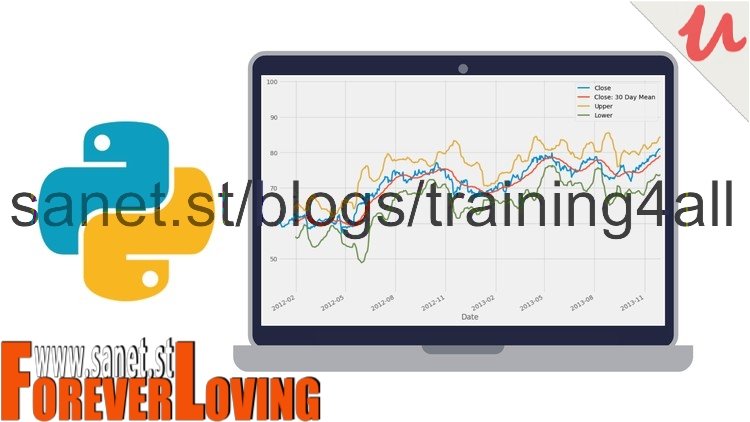
Financial analysis involves examining financial data to make informed decisions. Python libraries like Pandas, NumPy, and Matplotlib are the secret weapons here. Pandas helps you organize and manipulate data like a spreadsheet ninja. NumPy handles complex mathematical calculations with lightning speed. And Matplotlib allows you to visualize your findings with beautiful charts and graphs, making it easier to spot trends and opportunities. Imagine analyzing stock prices, identifying profitable investment opportunities, or even predicting market crashes – all with a few lines of Python code!
Must Read
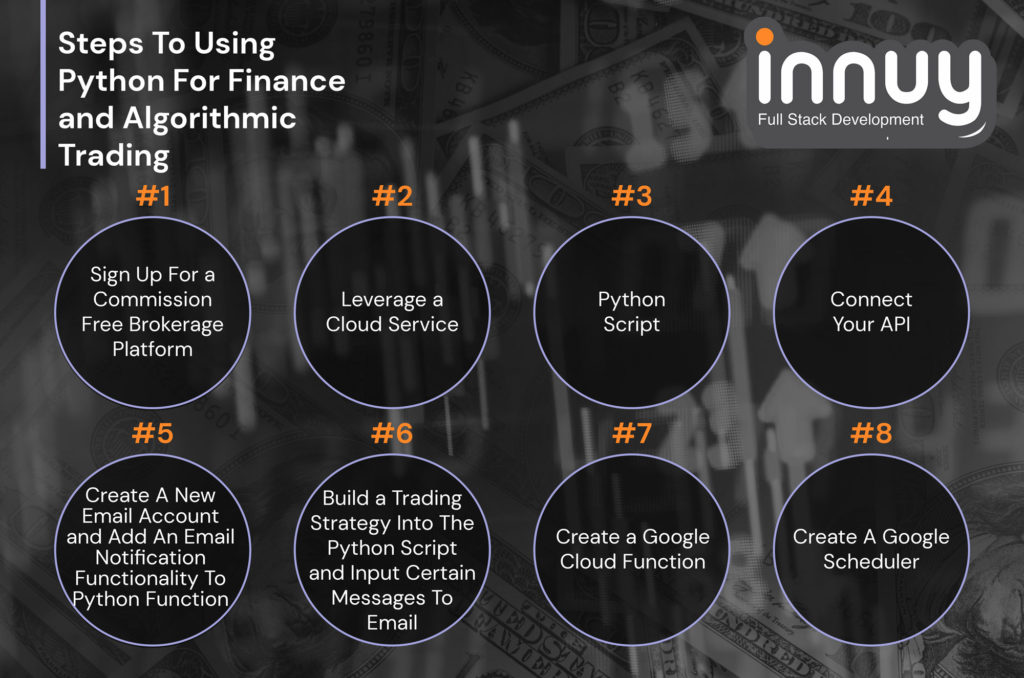
Now, let's talk about algorithmic trading, also known as "algo trading" or "automated trading." This is where things get really interesting. Algorithmic trading involves using computer programs to execute trades based on predefined rules and strategies. Instead of manually placing orders, you can write Python scripts to automatically buy and sell assets based on market conditions, technical indicators, or any other criteria you can dream up. This allows you to trade 24/7, even while you sleep! Just remember, it's not a magic money tree; it requires careful planning, testing, and risk management.
Where does GitHub come into play? Think of GitHub as a collaborative online workspace where developers share their code and projects. It's a treasure trove of open-source Python libraries, financial analysis tools, and algorithmic trading strategies. You can find examples of code, learn from experienced developers, and even contribute your own creations to the community. It's a fantastic resource for learning, collaborating, and building your skills in Python for finance.

The benefits are clear. Python empowers you to make data-driven decisions, automate repetitive tasks, and gain a competitive edge in the financial markets. With the help of GitHub, you can access a wealth of knowledge and collaborate with other enthusiasts. So, if you're looking to break into the world of finance or simply want to enhance your analytical skills, consider learning Python. It's a rewarding journey that could unlock a whole new world of opportunities.
Ready to dive in? Start exploring Python libraries, browsing GitHub repositories related to finance, and experimenting with different trading strategies. The possibilities are endless!