Pros And Cons Of Installing Solar Panels

Ever gazed at your roof and wondered if it could be doing more than just keeping the rain out? Perhaps you've dreamt of waving goodbye to those ever-increasing electricity bills, or maybe you fancy yourself an eco-warrior, doing your bit for Mother Earth. Whatever your motivation, the idea of harnessing the sun's boundless energy right from your own home is undeniably appealing. Solar panels have transitioned from niche technology to a surprisingly common sight, promising a brighter, cleaner future for our homes and our planet.
At its heart, solar energy offers a simple yet profound purpose: it converts sunlight into usable electricity. This means less reliance on traditional fossil-fuel-based power grids and more control over your own energy supply. For everyday life, this translates into potentially significantly lower electricity bills, especially during peak sunlight hours. Imagine running your air conditioning or charging your electric car knowing that the power is coming directly from the sun, virtually free after the initial setup. Besides residential rooftops, solar power is also used in larger solar farms, powering entire communities, and in smaller applications like garden lights, RVs, and even portable chargers. It's about empowering individuals and communities to take charge of their energy needs.
But let's not pretend it's all sunshine and rainbows without a single cloud. Deciding to go solar is a big step, and like any significant home improvement, it comes with its own set of pros and cons. Let's shine a light on them.
Must Read
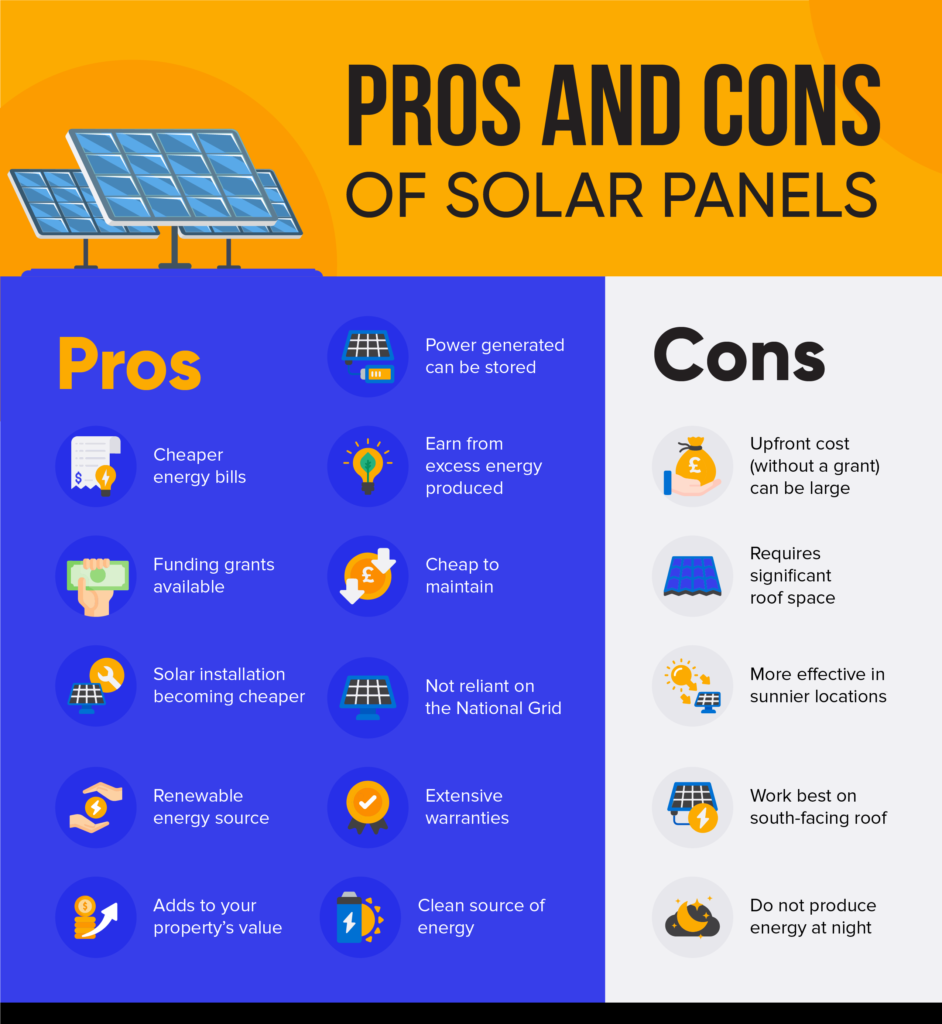
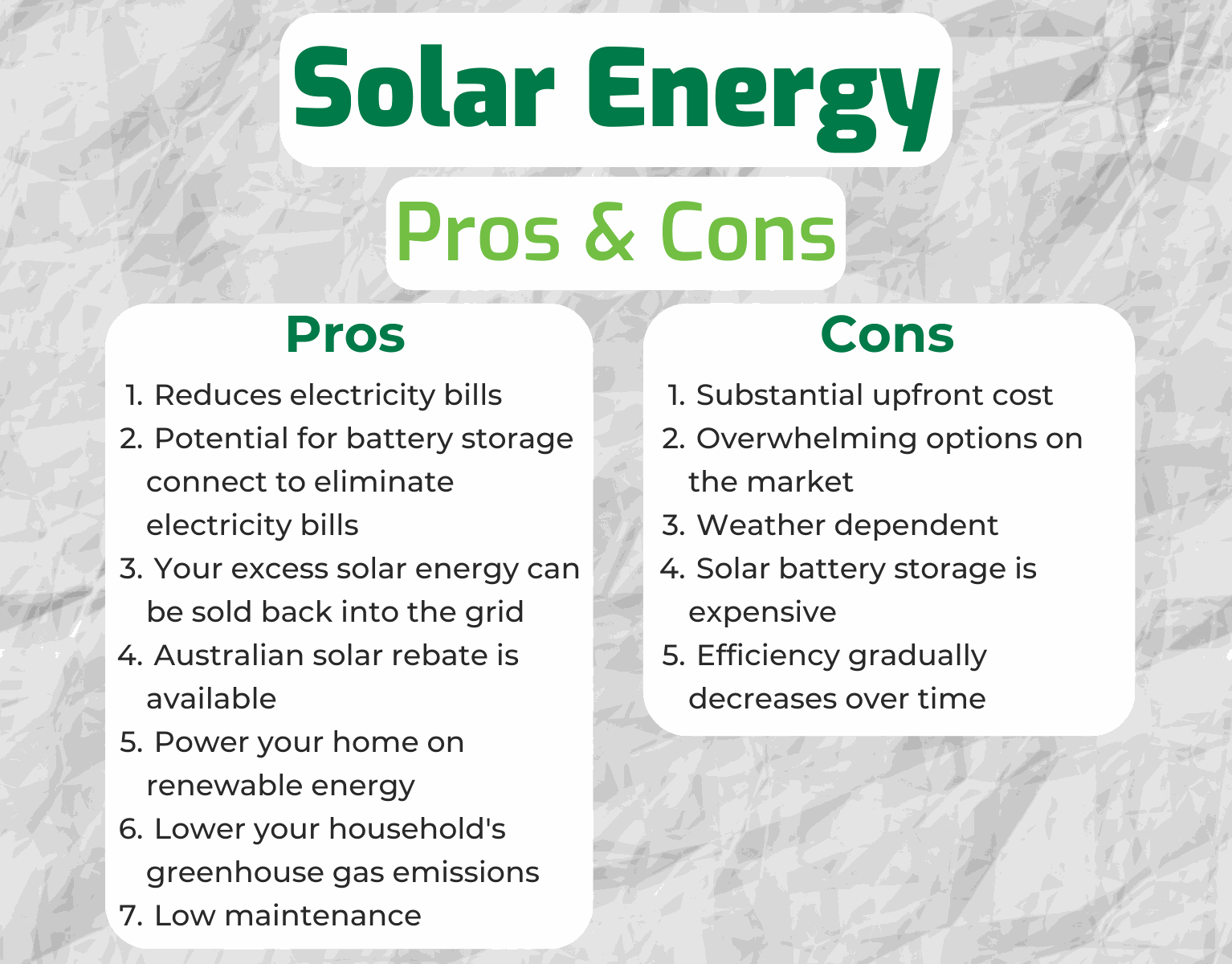
The pros are compelling. The big one is undeniably saving money. Once those panels are humming, your reliance on the grid dwindles, and in many cases, you might even generate enough surplus to sell back to the utility company, effectively turning your meter backwards! Beyond your wallet, there's the undeniable feel-good factor of going green. You'll be reducing your carbon footprint, combating climate change, and contributing to a cleaner environment for future generations. Solar panels can also increase your home's value, making it more attractive to potential buyers who appreciate energy efficiency. Plus, with various government incentives, tax credits, and rebates available, the initial investment can be significantly offset, making it a more accessible option than ever before.
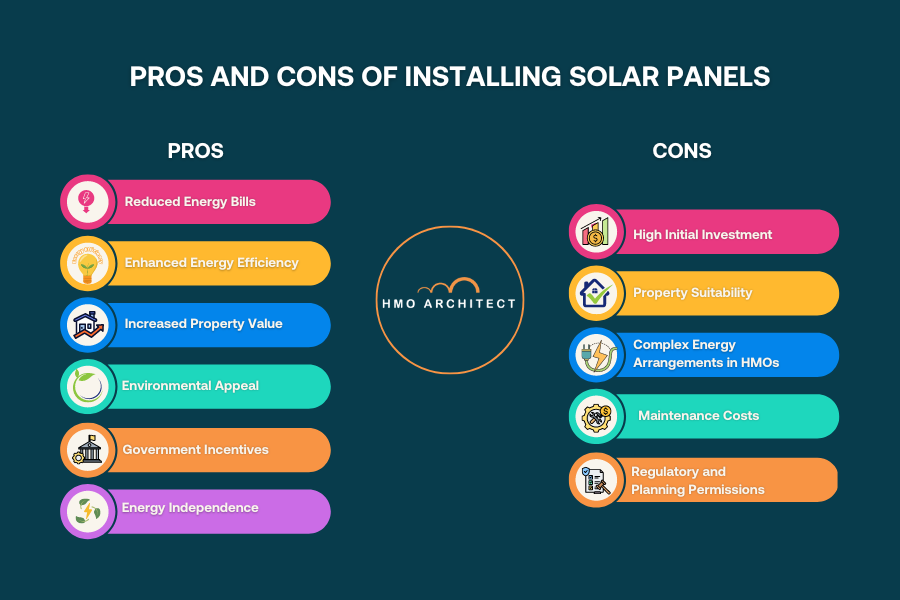
Now for the other side of the solar coin, the cons. The elephant in the room is often the upfront cost. While prices have dropped dramatically, installing a full solar system is still a significant investment. Though financing options exist, it's a commitment. Then there's the aesthetic debate – some homeowners love the modern look of panels, while others find them unsightly, impacting their home's curb appeal. Performance is also weather-dependent; while they still work on cloudy days, their efficiency drops. And let's not forget your roof itself – it needs to be in good condition, facing the right direction, and free from excessive shade. Finally, while panels are generally low maintenance, they might need occasional cleaning, and inverters typically have a lifespan shorter than the panels themselves, meaning a future replacement cost.
So, how do you make this monumental decision a bit smoother and 'enjoy' the process more effectively? First, do your homework. Get multiple quotes from different installers and compare not just prices, but also warranties, equipment quality, and customer service. Understand your current energy usage so you can size your system appropriately. Research all available federal, state, and local incentives – these can make a huge difference to your bottom line. Critically, ensure your roof is up to snuff; a new roof might be a prerequisite. And consider adding a battery storage system. While an additional upfront cost, it can provide true energy independence, storing surplus power for use at night or during grid outages. By being informed and asking the right questions, you can navigate the path to solar energy with confidence, ultimately enjoying the sunshine, and the savings, for years to come.