Pros And Cons Of Congestion Pricing
Ah, the open road! Or, more realistically, the not-so-open road, bumper-to-bumper and inching forward. Most of us rely on driving, whether we love it or hate it, to get to work, shuttle kids to soccer practice, visit family, or simply explore new places. The freedom and convenience of having a car are undeniable. But what happens when everyone else has the same idea, all at the same time? That's when the dreaded congestion sets in, and that's where the idea of congestion pricing comes into the picture.
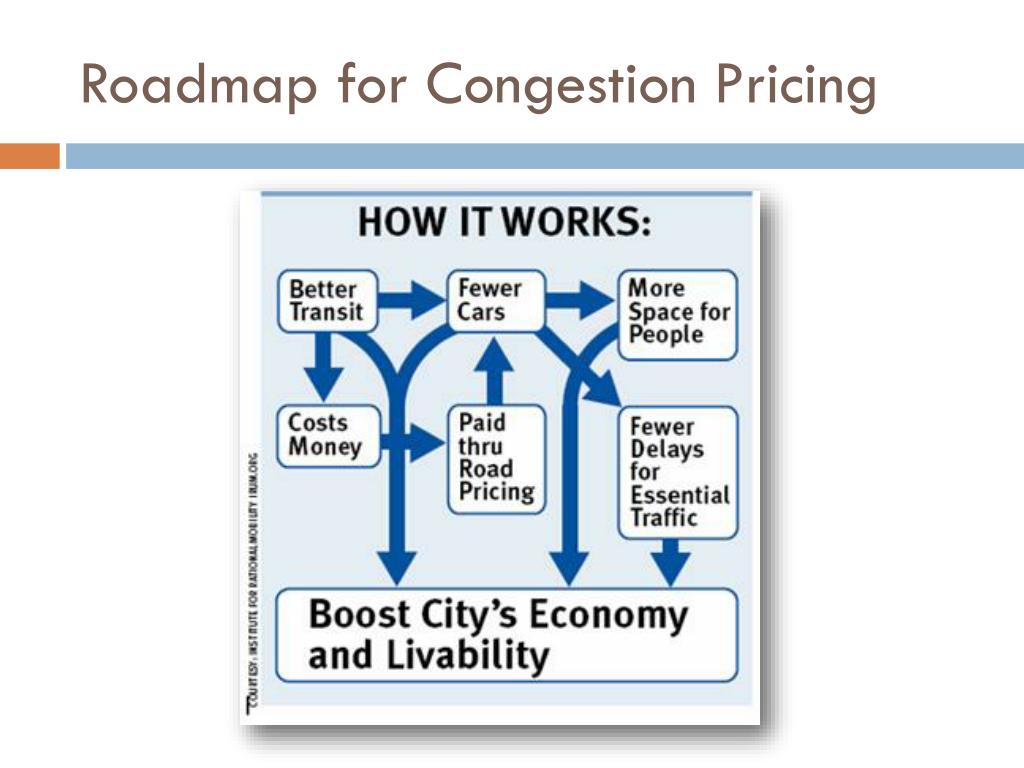
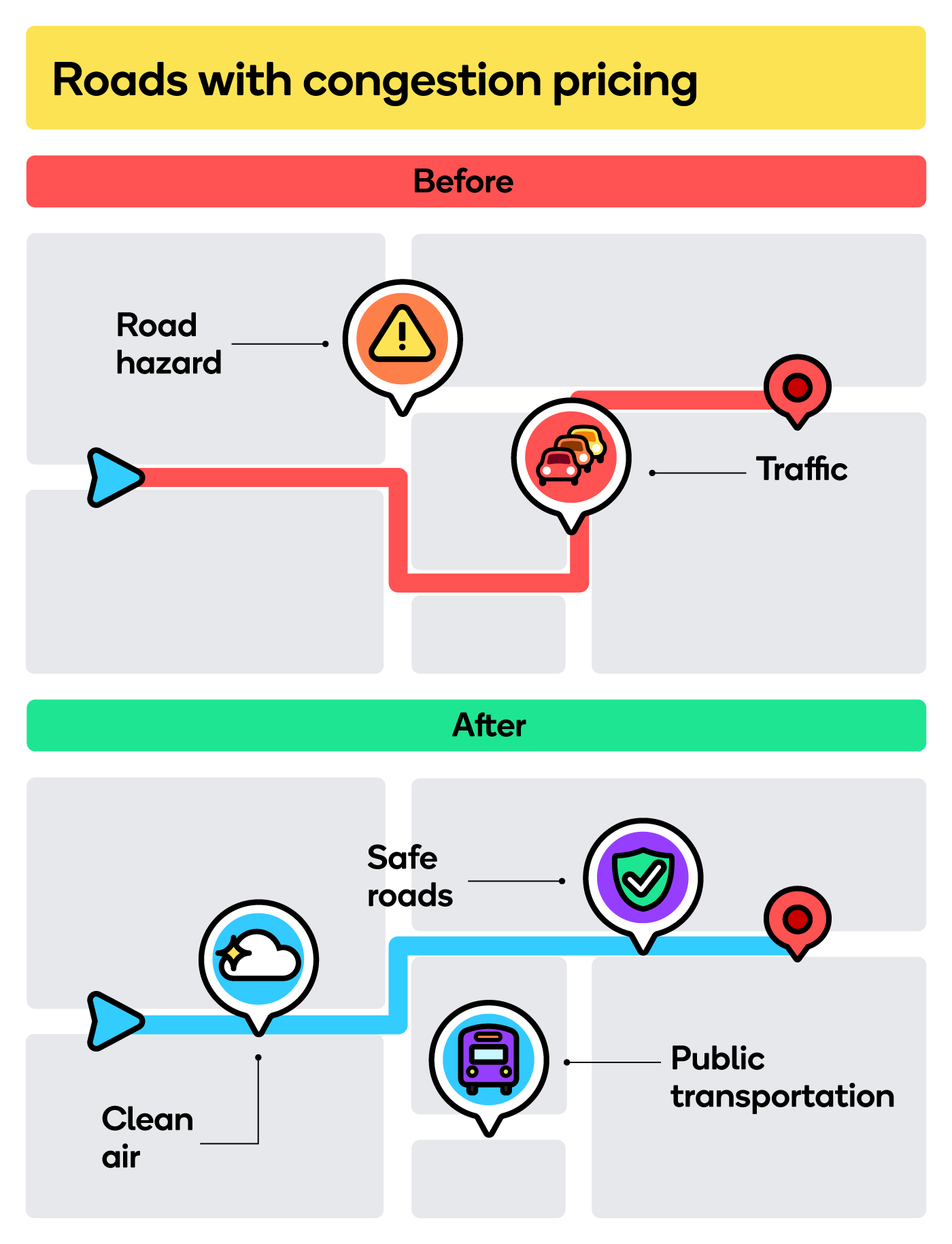
Congestion pricing, at its core, is a system that charges drivers a fee to use certain roads or areas during peak hours. The idea is pretty simple: by making it more expensive to drive when traffic is at its worst, some people will be incentivized to change their behavior, leading to less traffic for everyone else. The purported benefits are numerous. Reduced traffic congestion leads to shorter commute times, saving valuable time and reducing stress. It also means less fuel consumption, leading to lower emissions and a smaller carbon footprint. The revenue generated from these fees can then be invested in public transportation, road improvements, and other infrastructure projects, creating a virtuous cycle of improvement.
You might have already encountered congestion pricing without even realizing it! Toll roads that have fluctuating prices based on the time of day are a prime example. Cities like London, Singapore, and Stockholm have implemented city-wide congestion charging zones, where drivers pay a fee to enter the city center during peak hours. These schemes often use technology like license plate recognition or electronic toll collection to automatically charge drivers.
Must Read
But before you start picturing a dystopian future of endless fees, let's consider the downsides. The biggest criticism of congestion pricing is that it can be regressive, disproportionately impacting low-income individuals who may not have other transportation options. For someone already struggling to make ends meet, an extra few dollars a day can be a significant burden. Another potential problem is that it can simply shift congestion to other areas or times, rather than eliminating it entirely. Furthermore, implementing and maintaining congestion pricing systems can be complex and expensive, requiring significant investment in technology and infrastructure.
So, how can we navigate the world of congestion pricing more effectively? If you live in an area with congestion pricing, consider these practical tips:
- Explore alternative transportation: Can you take public transport, bike, or walk instead of driving during peak hours?
- Adjust your schedule: If possible, try shifting your commute to avoid the busiest times. Even a 30-minute difference can make a big impact.
- Carpool or rideshare: Share the ride and split the cost (and the emissions!) with colleagues or neighbors.
- Advocate for equitable solutions: Support policies that mitigate the negative impacts on low-income individuals, such as subsidies or exemptions.
Congestion pricing isn't a perfect solution, but it's a tool that, when implemented thoughtfully, can help alleviate traffic and improve our urban environments. By understanding both the benefits and drawbacks, and by making informed choices about our transportation habits, we can all contribute to creating more efficient and sustainable cities.