
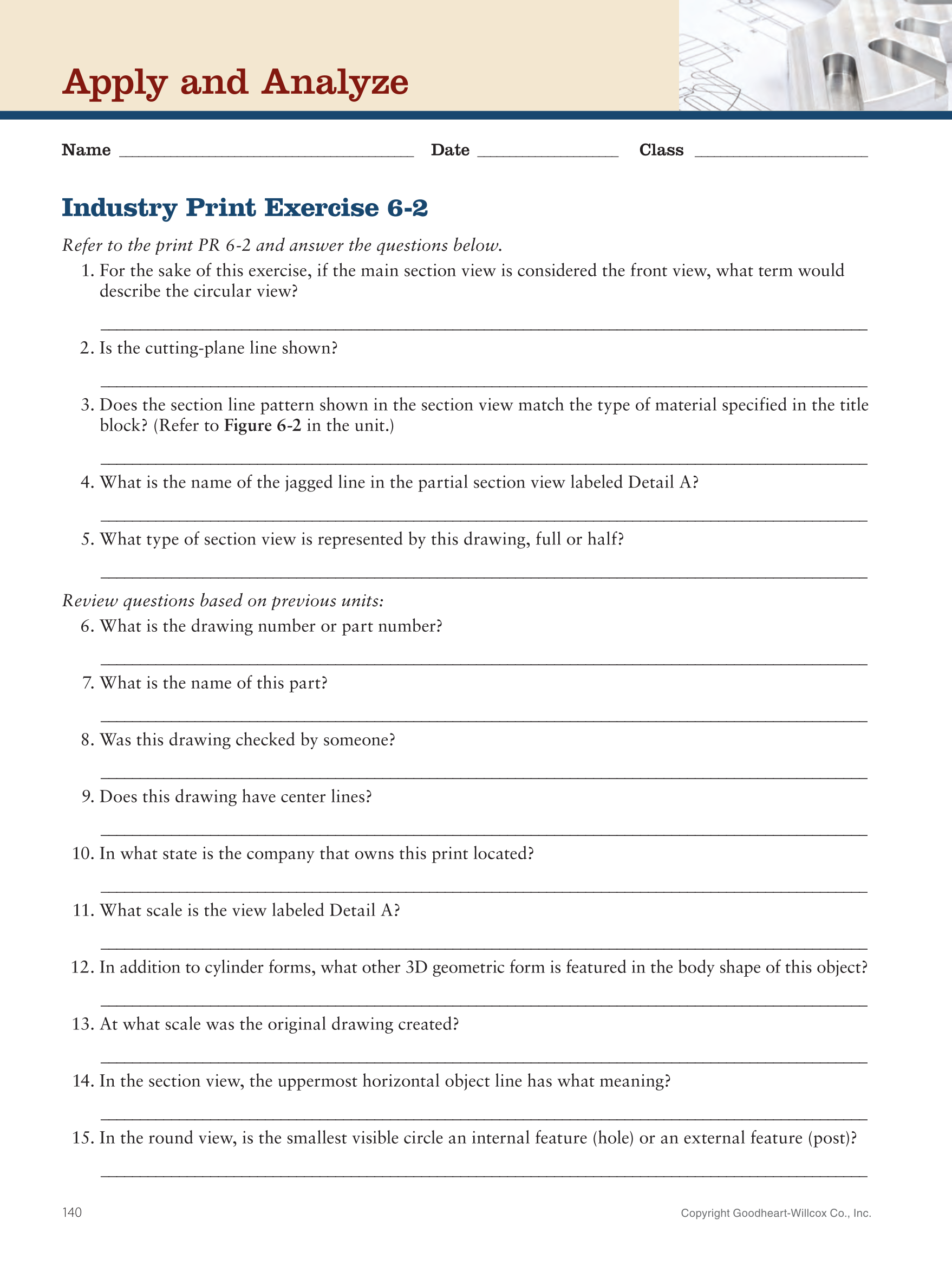
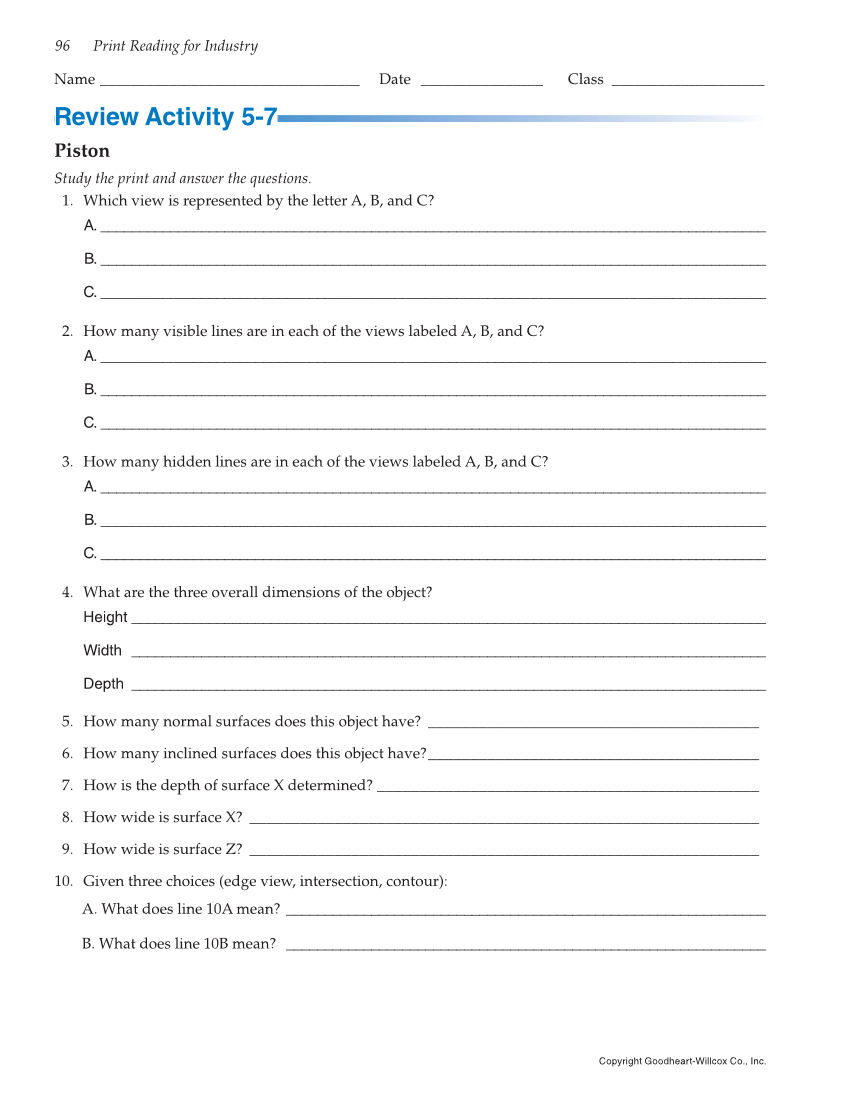
Print Reading For Industry Review Activity 10 1
Ever tried assembling furniture from a certain Swedish retailer without the instructions? Yeah, absolute chaos, right? That's kind of what navigating the industrial world is like without understanding print reading.
But fear not, intrepid reader! We're diving headfirst into Print Reading For Industry Review Activity 10 1, and it's way less scary than a flatpack wardrobe with missing screws.
Decoding the Blueprint: It's Not Rocket Science (Okay, Maybe a Little)
Think of a blueprint as the ultimate cheat sheet, the "instruction manual" for building, manufacturing, or fixing just about anything. It's like the sacred text engineers and technicians swear by.
Must Read
Forget hieroglyphics; learning to read these prints is a vital skill. No more guessing whether part A goes into slot B or C (or accidentally welding them together!).
Lines, Lines Everywhere: The Alphabet of Engineering
Blueprints are covered in lines, and each one tells a story. It’s like learning a new language, where different types of lines translate into different features and dimensions.
Imagine you're ordering pizza. A solid line is like saying, "I want a full pizza!" But a dashed line might mean, "Half pepperoni, half veggie!". Similarly, in a blueprint, a solid line might indicate a visible edge, while a dashed line could represent a hidden one.
Learning these line styles is crucial. You wouldn't want to mistake a hidden edge for a critical measurement, would you?
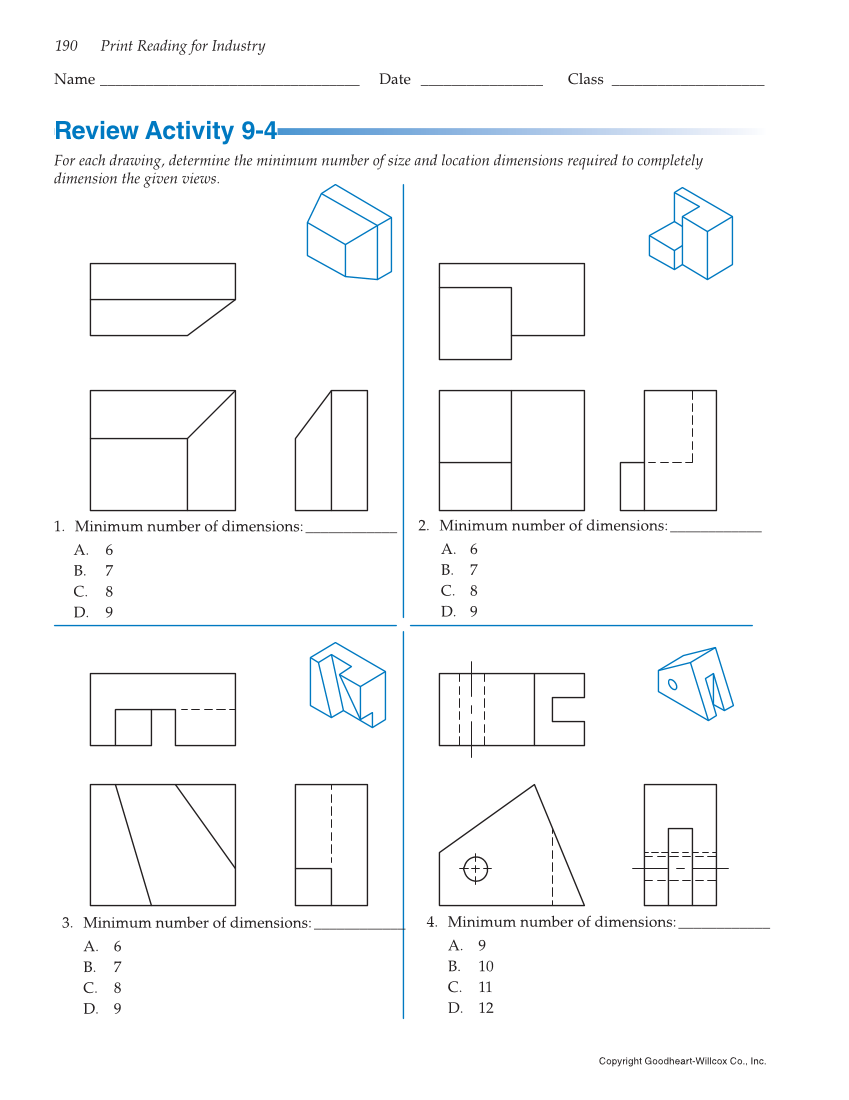
Dimensions: Size Matters (Especially in Manufacturing)
Dimensions on a blueprint are like the GPS coordinates of a physical object. They tell you exactly how big something is and where everything should be located.
Picture trying to bake a cake without knowing the measurements. A little too much sugar, a little too little flour, and suddenly you've got a science experiment instead of a delicious treat. Dimensions are the recipe for success.
Understanding these dimensions is essential for avoiding costly mistakes and ensuring everything fits together perfectly. We are talking about precise, no-wiggle-room accuracy.
Symbols: The Shorthand of the Engineering World
Symbols are the emojis of blueprints. They're a quick and easy way to represent complex features without having to draw them out in excruciating detail.
Think of the standard symbol for a weld. It’s much faster to draw that symbol than to painstakingly render a perfectly beveled and filled weld bead, isn't it?
Learning these symbols is like mastering a secret code. Once you crack it, you'll be able to decipher blueprints with lightning speed and impress all your friends with your newfound knowledge!
Activity 10 1: Let's Get Our Hands Dirty (Figuratively Speaking)
Now, let’s address the elephant in the room: Activity 10 1. It probably sounds intimidating, but it's just a fancy way of saying "practice time!"
This activity is your chance to put your new print reading skills to the test. Think of it as a pop quiz, but with real-world applications.
Whether it involves identifying different line types, interpreting dimensions, or deciphering symbols, Activity 10 1 is designed to solidify your understanding of print reading.
The Goal: Understanding the Design Intent
The ultimate goal of print reading isn't just to regurgitate information; it's to understand the design intent behind the blueprint. What is the engineer trying to achieve?
Imagine you're reading a novel. You don't just read the words; you try to understand the author's message, the characters' motivations, and the overall theme of the story. Blueprints are similar. Understanding them will lead to a successful manufacturing process.
By understanding the design intent, you can make informed decisions, troubleshoot problems, and contribute to the overall success of the project.
Tools of the Trade: Beyond the Blueprint
While the blueprint is the star of the show, there are other tools that can help you in your print reading endeavors.
Consider reference manuals, online resources, and even good old-fashioned conversations with experienced engineers. No one expects you to know everything right away, and collaboration is key.
And don't underestimate the power of a good magnifying glass! Sometimes those dimensions are just tiny.
Common Pitfalls: Watch Out for These Traps!
Even the most seasoned print readers can fall victim to common mistakes. It's important to be aware of these pitfalls and take steps to avoid them.
One of the biggest traps is assuming that you know what something means without actually verifying it on the blueprint. Always double-check!
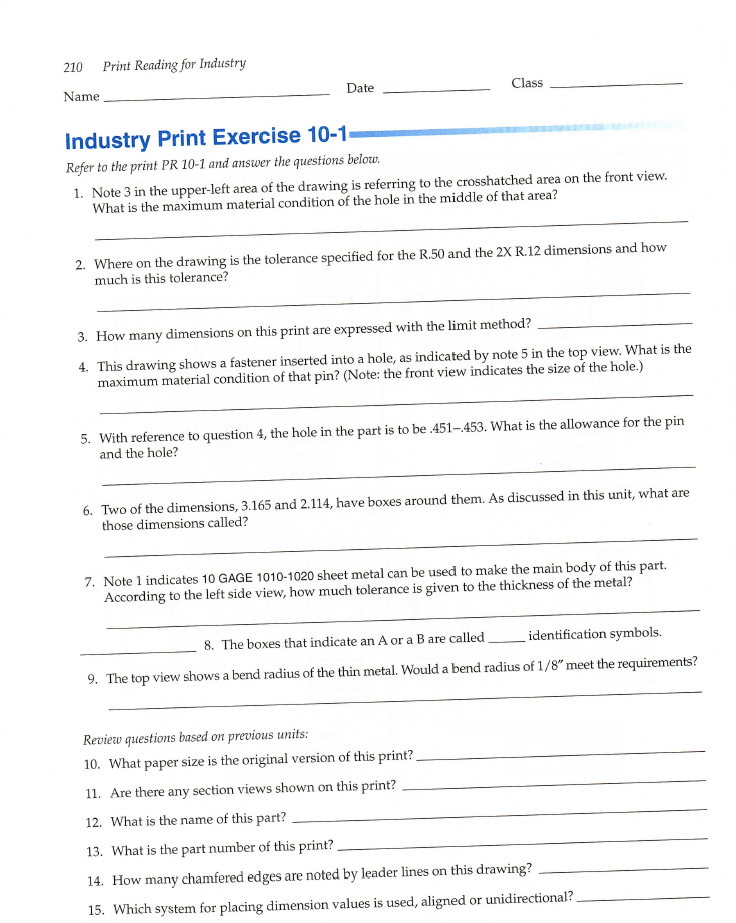
Another common mistake is overlooking crucial details, like tolerance values or surface finish requirements. These details can make or break a project.
Tips and Tricks for Success
So, how can you become a print reading pro? Here are a few tips and tricks to help you on your journey:
First, start with the basics. Make sure you have a solid understanding of line types, dimensions, and symbols before moving on to more complex prints.
Second, practice, practice, practice! The more you read prints, the better you'll become at it. It's like learning any new skill; repetition is key.
Third, don't be afraid to ask questions. If you're unsure about something, don't hesitate to ask a colleague or supervisor for clarification.
The Future of Print Reading: Embrace the Digital Age
While traditional blueprints are still widely used, the future of print reading is increasingly digital.
Think about 3D models, interactive drawings, and augmented reality applications. These technologies are revolutionizing the way we design, manufacture, and inspect products.
Embracing these digital tools will not only make your job easier but also open up new opportunities for innovation and collaboration. You'll be the coolest engineer on the block.
Beyond the Factory Floor: Print Reading in Everyday Life
While print reading is primarily associated with the industrial world, it's a skill that can be surprisingly useful in everyday life.
Imagine you're renovating your home. Being able to read architectural drawings will help you understand the layout of your house, plan your renovations, and communicate effectively with contractors.
Or picture yourself assembling that dreaded flatpack furniture. Understanding the assembly drawings will save you time, frustration, and potentially a few broken fingers.
Conclusion: Unleash Your Inner Engineer!
So, there you have it: a whirlwind tour of Print Reading For Industry Review Activity 10 1. Hopefully, you now have a better understanding of what print reading is all about and why it's such an important skill.
It is not an easy skill, but it is definitely worth the effort. And it can actually be fun. Seriously!
So, go forth and conquer those blueprints! Embrace the challenge, ask questions, and never stop learning. The industrial world is waiting for you!